
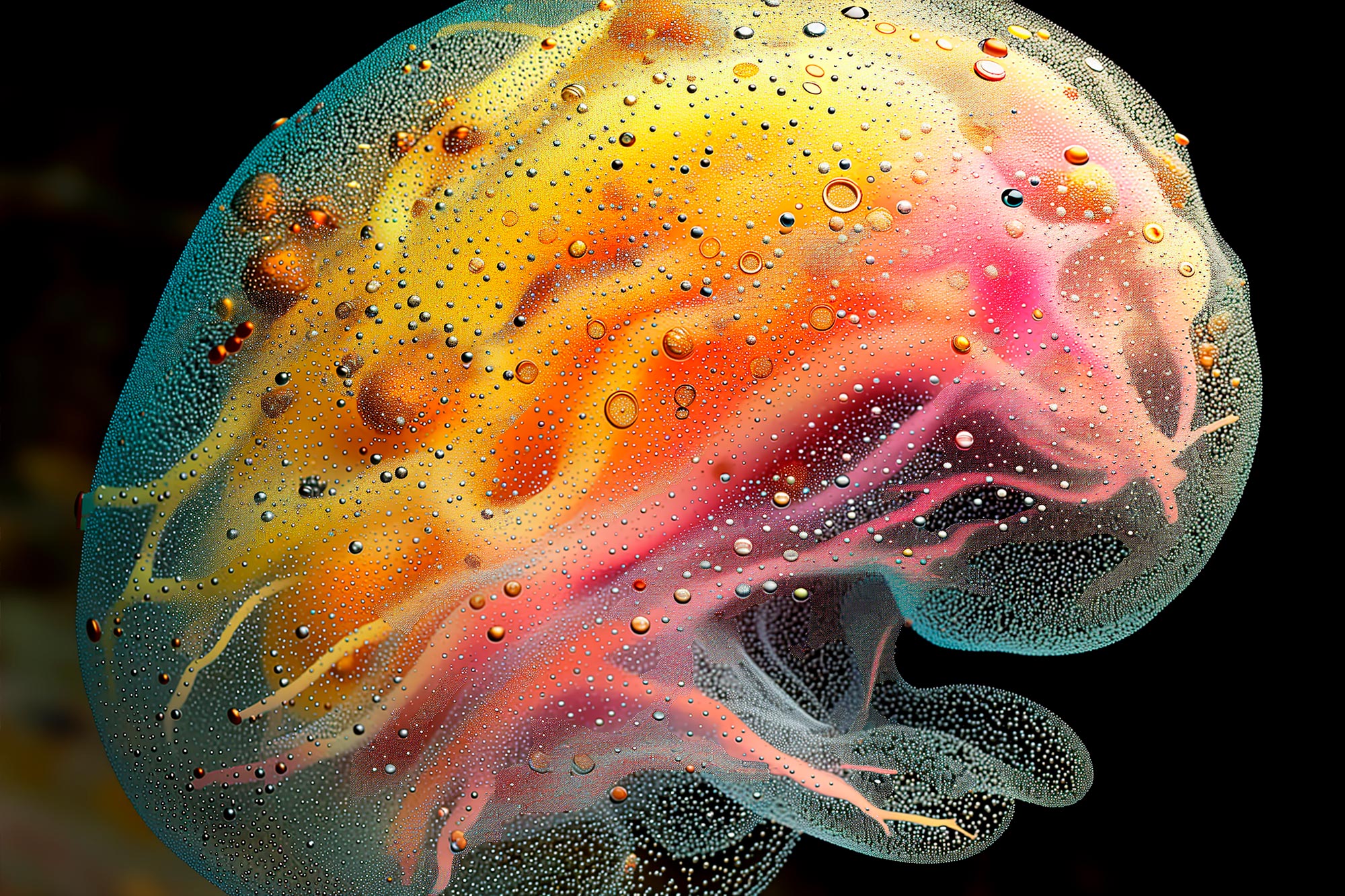
Scientists have developed 3D mini-organs from human fetal brain tissue that self-organize in vitro. These lab-grown organoids open up a brand-new way of studying how the brain develops. They also offer a valuable means to study the development and treatment of diseases related to brain development, including brain tumors.
Researchers use different ways to model the biology of healthy tissue and disease in the lab. These include cell lines, laboratory animals and, since a few years, 3D mini-organs. These so-called organoids have characteristics and a level of complexity that allows scientists to closely model the functions of an organ in the lab. Organoids can be formed directly from cells of a tissue. Scientists can also ‘guide’ stem cells – found in embryos or in some adult tissues – to develop into the organ they aim to study.
Advancements in Brain Organoid Development
Until now, brain organoids were grown in the lab by coaxing embryonic or pluripotent stem cells to grow into structures representing different areas of the brain. Using a specific cocktail of molecules, they would try to mimic the natural development of the brain – with the ‘recipe’ for each cocktail taking a lot of research to develop.
Now, scientists at the Princess Máxima Center for pediatric oncology and the Hubrecht Institute, both based in Utrecht, the Netherlands, developed brain organoids directly from human fetal brain tissue. The study was published in the prestigious journal Cell today (Monday), and was part-funded by the Dutch Research Council.
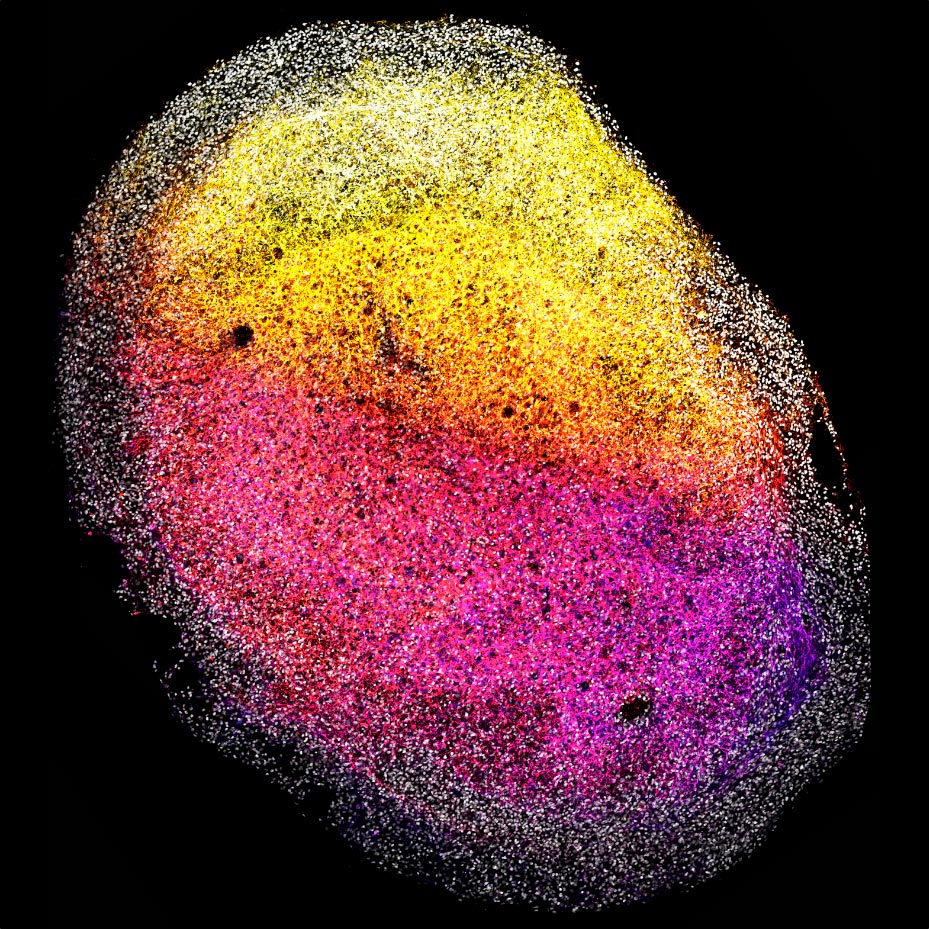
The researchers, led by Dr. Delilah Hendriks, Prof. Dr. Hans Clevers, and Dr. Benedetta Artegiani, were surprised to find that using small pieces of fetal brain tissue rather than individual cells was vital in growing mini-brains. To grow other mini-organs such as gut, scientists normally break down the original tissue to single cells. Instead working with small pieces of fetal brain tissue, the team found that these pieces could self-organize into organoids.
The brain organoids were roughly the size of a grain of rice. The tissue’s 3D make-up was complex, and it contained a number of different types of brain cells. Importantly, the brain organoids contained many so-called outer radial glia – a cell type found in humans and our evolutionary ancestors. This underlines the organoids’ close similarity to – and use in studying – the human brain.
The Significance of Extracellular Matrix
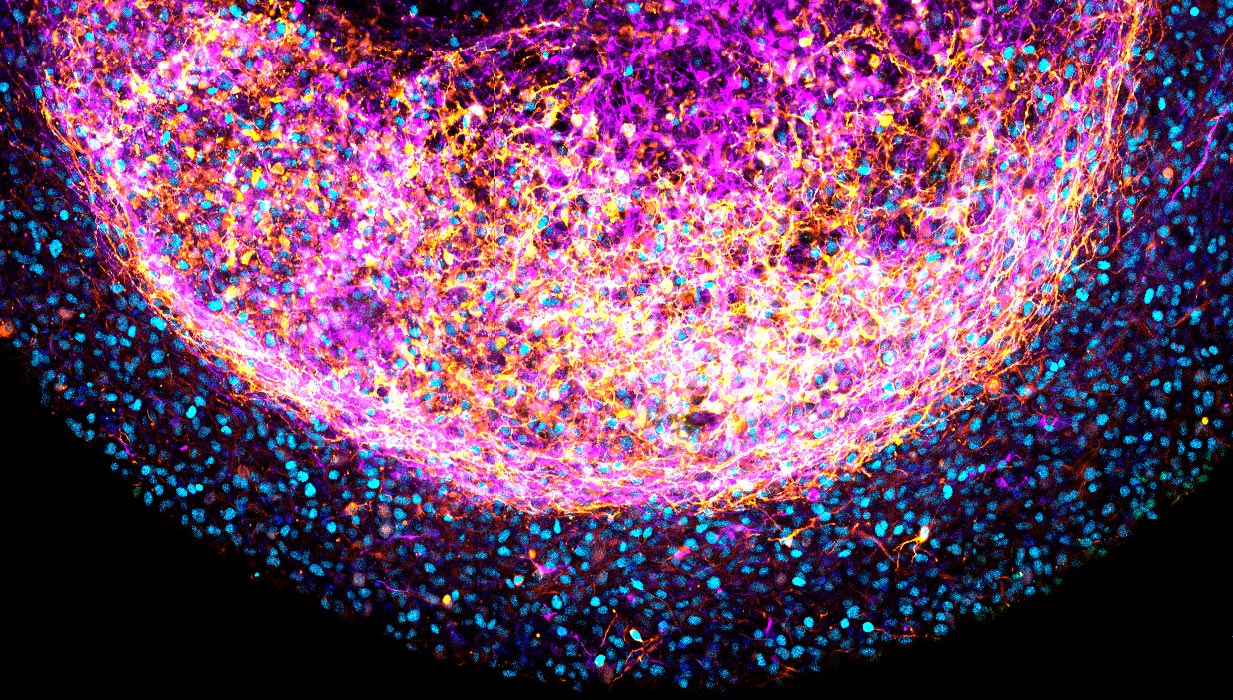
The whole pieces of brain tissue also produced proteins that make up extracellular matrix – a kind of ‘scaffolding’ around cells. The team believes these proteins could be the reason why the pieces of brain tissue were able to self-organize into 3D brain structures. The presence of extracellular matrix in the organoids will allow further study of the environment of brain cells, and what happens when this goes wrong.
Potential for Brain Development and Cancer Research
The researchers found that the tissue-derived organoids kept various characteristics of the specific region of the brain from which they were derived. They responded to signaling molecules known to play an important role in brain development. This finding suggests that the tissue-derived organoids could play an important role in untangling the complex network of molecules involved in directing the development of the brain.
Given the ability of the tissue-derived organoids to quickly expand, the team next investigated their potential in modeling brain cancer. The researchers used gene-editing technique CRISPR-Cas9 to introduce faults in the well-known cancer gene TP53 in a small number of cells in the organoids. After three months, the cells with defective TP53 had completely overtaken the healthy cells in the organoid – meaning they had acquired a growth advantage, a typical feature of cancer cells.
They then used CRISPR-Cas9 to switch off three genes linked to the brain tumor, glioblastoma: TP53, PTEN and NF1. The researchers also used these mutant organoids to look at their response to existing cancer drugs. These experiments showed the organoids’ potential for cancer drug research to link certain drugs to specific gene mutations.
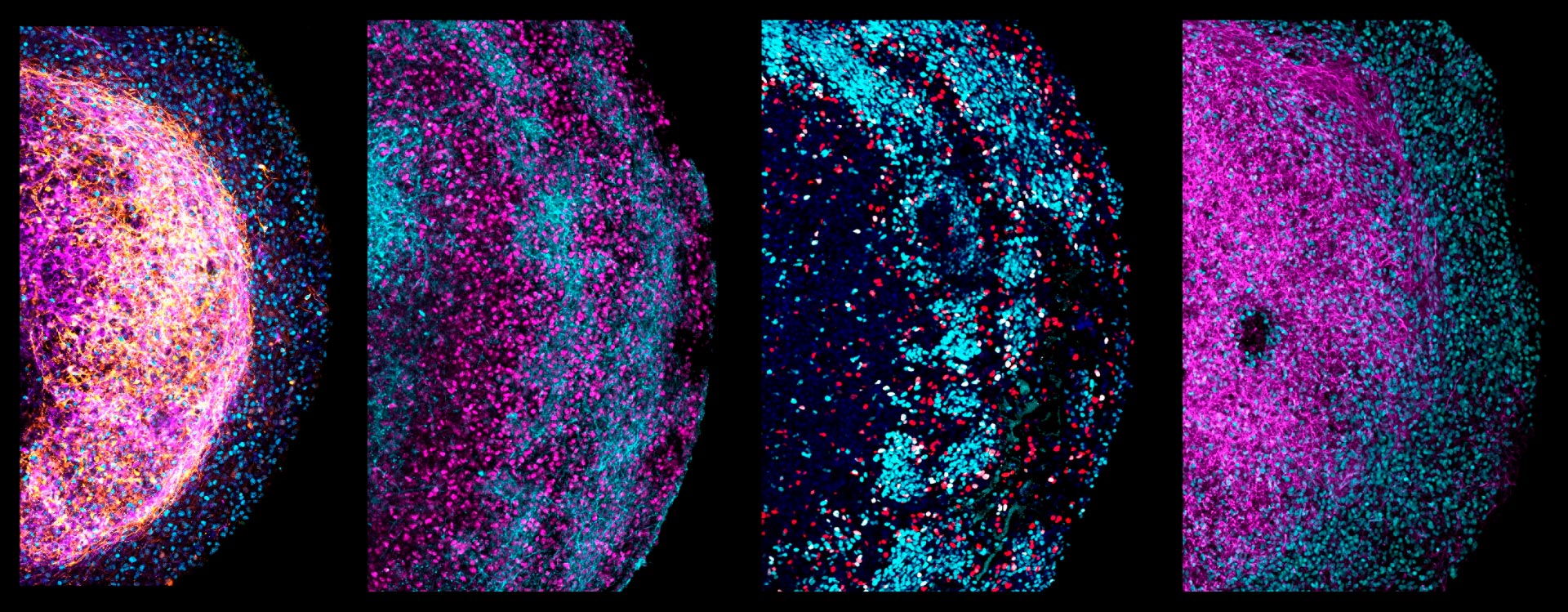
The tissue-derived organoids continued to grow in a dish for more than six months. Importantly, the scientists could multiply them, allowing them to grow many similar organoids from one tissue sample. The mini-tumors with the glioblastoma gene changes – were also capable of multiplying, keeping the same mix of mutations. This feature means scientists can carry out repeat experiments with the tissue-derived organoids, increasing the reliability of their findings.
Next, the researchers aim to further explore the potential of their new tissue-derived brain organoids. They also plan to continue their work with bioethicists – who were already involved in shaping this research – to guide the future development and applications of the new brain organoids.
Insights From Lead Researchers
Dr. Benedetta Artegiani, research group leader at the Princess Máxima Center for pediatric oncology who co-led the research, says:
“Brain organoids from fetal tissue are an invaluable new tool to study human brain development. We can now more easily study how the developing brain expands, and look at the role of different cell types and their environment.
“Our new, tissue-derived brain model allows us to gain a better understanding of how the developing brain regulates the identity of cells. It could also help understand how mistakes in that process can lead to neurodevelopmental diseases such as microcephaly, as well as other diseases that can stem from derailed development, including childhood brain cancer.”
Dr. Delilah Hendriks, affiliated group leader at the Princess Máxima Center for pediatric oncology, postdoctoral researcher at the Hubrecht Institute and Oncode Investigator, who co-led the research, says:
“These new fetal tissue-derived organoids can offer novel insights into what shapes the different regions of the brain, and what creates cellular diversity. Our organoids are an important addition to the brain organoid field, that can complement the existing organoids made from pluripotent stem cells. We hope to learn from both models to decode the complexity of the human brain.
“Being able to keep growing and using the brain organoids from fetal tissue also means that we can learn as much as possible from such precious material. We’re excited to explore the use of these novel tissue organoids for new discoveries about the human brain.”
Prof. Dr. Hans Clevers, pioneer in organoid research and former research group leader at the Hubrecht Institute and the Princess Máxima Center for pediatric oncology and Oncode Investigator, co-led the research. He says:
“With our study, we’re making an important contribution to the organoid and brain research fields. Since we developed the first human gut organoids in 2011, it’s been great to see that the technology has really taken off. Organoids have since been developed for almost all tissues in the human body, both healthy and diseased – including an increasing number of childhood tumors.
“Until now, we were able to derive organoids from most human organs, but not from the brain – it’s really exciting that we’ve now been able to jump that hurdle as well.”
Reference: “Human fetal brain self-organizes into long-term expanding organoids” by Delilah Hendriks, Anna Pagliaro, Francesco Andreatta, Ziliang Ma, Joey van Giessen, Simone Massalini, Carmen López-Iglesias, Gijs J.F. van Son, Jeff DeMartino, J. Mirjam A. Damen, Iris Zoutendijk, Nadzeya Staliarova, Annelien L. Bredenoord, Frank C.P. Holstege, Peter J. Peters, Thanasis Margaritis, Susana Chuva de Sousa Lopes, Wei Wu, Hans Clevers and Benedetta Artegiani, 8 January 2024, Cell.
DOI: 10.1016/j.cell.2023.12.012
The study was performed in collaboration with Leiden University Medical Center, Utrecht University, Maastricht University, Erasmus University Rotterdam, and National University of Singapore.
Never miss a breakthrough: Join the SciTechDaily newsletter.
Follow us on Google and Google News.