
Close Menu
    Facebook X (Twitter) Instagram
    SciTechDaily
    • Biology
    • Chemistry
    • Earth
    • Health
    • Physics
    • Science
    • Space
    • Technology
    Facebook X (Twitter) Pinterest YouTube RSS
    SciTechDaily
    Home»Health»Often Overlooked Stem Cells Hold Hidden Powers for Blood Disease Treatments
    Health

    Often Overlooked Stem Cells Hold Hidden Powers for Blood Disease Treatments

    By King Abdullah University of Science & Technology (KAUST)March 16, 2024No Comments3 Mins Read
    Facebook Twitter Pinterest Telegram LinkedIn WhatsApp Email Reddit
    Share
    Facebook Twitter LinkedIn Pinterest Telegram Email Reddit
    Stem Cells Found in Umbilical Cord Blood
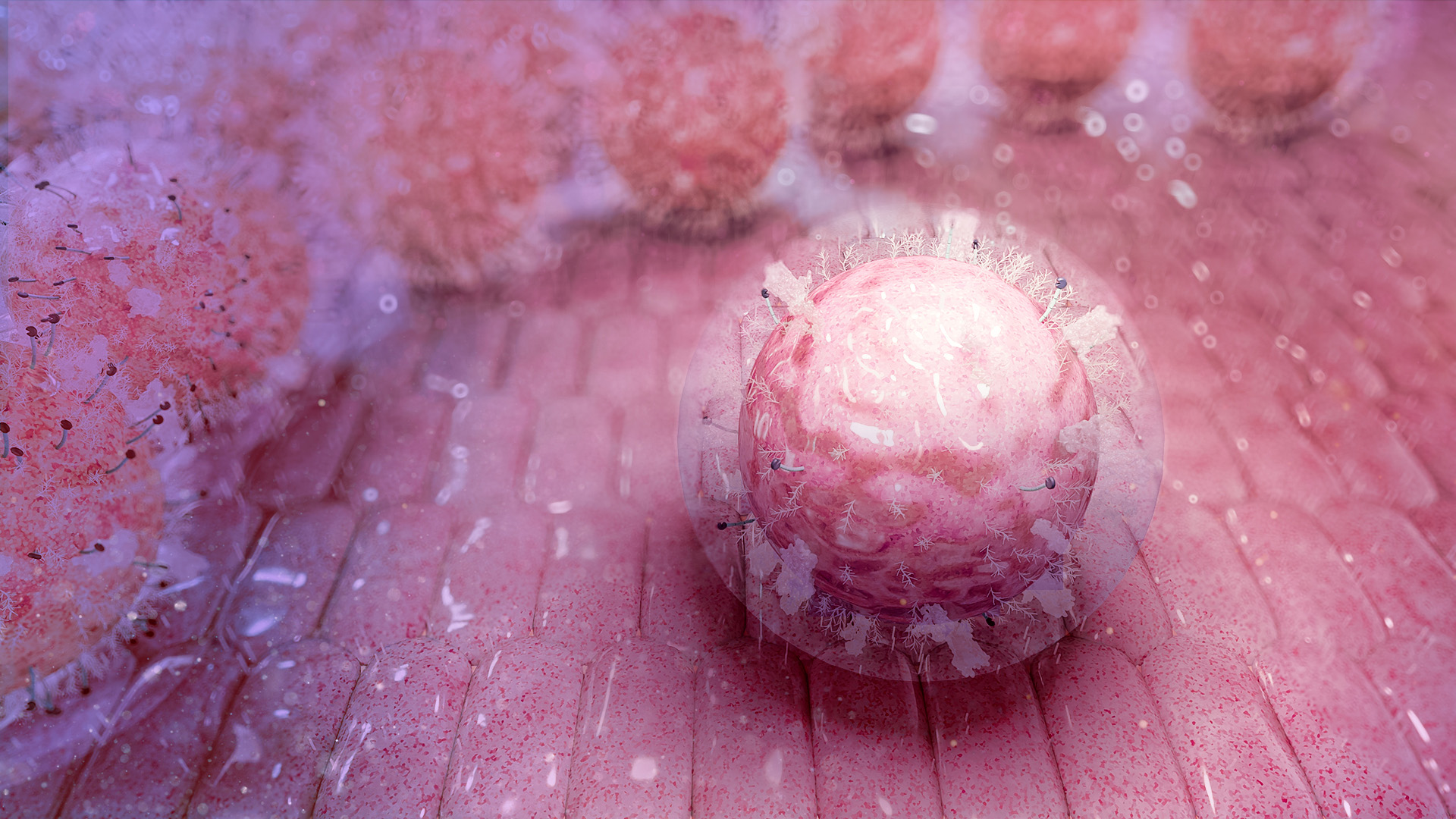
    KAUST researchers have enhanced the functionality of CD34-negative hematopoietic stem cells, making them a promising option for treating blood-related diseases. By improving their bone marrow homing abilities, these cells have shown potential to outperform current treatments, suggesting a breakthrough in stem cell transplantation efficiency and effectiveness. Credit: 2024 KAUST; Heno Hwang

    Scientists have discovered a technique to boost the regenerative properties of stem cells present in umbilical cord blood, potentially improving bone marrow transplant outcomes.

    A method that enhances the functionality of an often-overlooked type of stem cell could lead to better treatments for blood-related diseases.

    “These cells could go a long way toward improving regenerative medicine,” says Jasmeen Merzaban, a biochemist at KAUST who led the research.

    In stem cell transplants — also referred to as bone marrow transplants — patients with malfunctioning bone marrow are infused with a new set of healthy blood-forming stem cells, known as hematopoietic stem cells (HSCs).

    These cells have historically been identified by the presence of a protein called CD34. HSCs that express this surface marker are celebrated for their proficiency in homing to and establishing themselves within the bone marrow.

    However, this emphasis on CD34-positive HSCs has inadvertently sidelined a population of CD34-negative counterparts — cells mostly found in umbilical cord blood that, although limited in their migration abilities within the bloodstream, are thought to have greater regenerative capacity because of their more primitive developmental state.

    Untapped Potential of CD34-negative HSCs

    “There is deep untapped potential in using CD34-negative HSCs in transplantation,” says Asma Al-Amoodi, a postdoc in Merzaban’s lab. Along with her colleagues, she sets out to augment their therapeutic value.

    The researchers first characterized the different populations of HSCs found in cord blood and noticed that CD34-negative cells were particularly lacking in sialyl Lewis X, a sugar molecule expressed by CD34-positive HSCs that helps direct the cells to the bone marrow.

    To address this deficiency, the researchers treated CD34-negative cells in the lab with enzymes necessary to boost the production of this sugar. The cells then gained newfound homing abilities.

    After transplantation into mice, the souped-up CD34-negative cells quickly made their way into the bone marrow, where they continued to pump out new healthy blood and immune cells for months. The HSCs also showed elevated activity of genes involved in adhesion mechanisms that facilitate interactions and engraftment within the bone marrow environment.

    This discovery provides compelling evidence that CD34-negative HSCs “could be more effective as a treatment option than current clinical use suggests,” says Al-Amoodi, the first author of the academic paper detailing these findings.

    “Given how effectively CD34-negative cells integrate with the bone marrow niche,” she explains, “their use could prolong cell regeneration in the transplant recipient.”

    Moreover, incorporating both CD34-positive and CD34-negative HSCs in transplantation procedures has the potential to enhance efficiency and cost-effectiveness, amplifying the therapeutic benefits of cord blood “since it would double the potential stem cell content,” she says.

    Reference: “α1,3-fucosylation treatment improves cord blood CD34 negative hematopoietic stem cell navigation” by Asma S. Al-Amoodi, Jing Kai, Yanyan Li, Jana S. Malki, Abdullah Alghamdi, Arwa Al-Ghuneim, Alfonso Saera-Vila, Satoshi Habuchi and Jasmeen S. Merzaban, 12 January 2024, iScience.
    DOI: 10.1016/j.isci.2024.108882

    Never miss a breakthrough: Join the SciTechDaily newsletter.
    Follow us on Google and Google News.

    Blood Immunology KAUST Stem Cells
    Share. Facebook Twitter Pinterest LinkedIn Email Reddit

    Related Articles

    Stanford Breakthrough: Stem Cell Transplants Without Toxic Chemo or Radiation

    No More Transplants? New Gene Therapy Targets Blood Stem Cells Directly

    50-Year Mystery Solved: Researchers Open “Black Box” of Stem Cell Transplants

    Synthetic Blood Stem Cells Herald New Era in Bone Marrow Transplants

    Blood Biomarkers Reveal the Hidden World of Long COVID

    New Target That May Prevent Blood Cancer Identified

    Scientists Create First Comprehensive Map of Human Blood Stem Cell Development

    Immune System “Clock” Developed That Accurately Predicts Illness and Mortality

    COVID Vaccine Linked to Low Blood Platelet Count – Idiopathic Thrombocytopenic Purpura

    Leave A Reply Cancel Reply

    • Facebook
    • Twitter
    • Pinterest
    • YouTube

    Don't Miss a Discovery

    Subscribe for the Latest in Science & Tech!

    Trending News

    AI Could Detect Early Signs of Alzheimer’s in Under a Minute – Far Before Traditional Tests

    What if Dark Matter Has Two Forms? Bold New Hypothesis Could Explain a Cosmic Mystery

    This Metal Melts in Your Hand – and Scientists Just Discovered Something Strange

    Beef vs. Chicken: Surprising Results From New Prediabetes Study

    Alzheimer’s Breakthrough: Scientists Discover Key Protein May Prevent Toxic Protein Clumps in the Brain

    Quantum Reality Gets Stranger: Physicists Put a Lump of Metal in Two Places at Once

    Scientists May Have Found the Key to Jupiter and Saturn’s Moon Mystery

    Scientists Uncover Brain Changes That Link Pain to Depression

    Follow SciTechDaily
    • Facebook
    • Twitter
    • YouTube
    • Pinterest
    • Newsletter
    • RSS
    SciTech News
    • Biology News
    • Chemistry News
    • Earth News
    • Health News
    • Physics News
    • Science News
    • Space News
    • Technology News
    Recent Posts
    • What if Your Memories Never Happened? Physicists Take a New Look at the Boltzmann Brain Paradox
    • Students Found an Ancient Star That Shouldn’t Be in the Milky Way
    • Astronomers Solve 50-Year Mystery and Reveal Hidden Culprit Behind Strange X-Ray Emissions
    • One of the Universe’s Largest Stars May Be Getting Ready To Explode
    • Scientists Discover Enzyme That Could Supercharge Ozempic-Like Weight Loss Drugs
    Copyright © 1998 - 2026 SciTechDaily. All Rights Reserved.
    • Science News
    • About
    • Contact
    • Editorial Board
    • Privacy Policy
    • Terms of Use

    Type above and press Enter to search. Press Esc to cancel.