

Scientists found that ancient lead exposure shaped early human evolution. The toxin may have played a surprising role in the development of modern cognition and language.
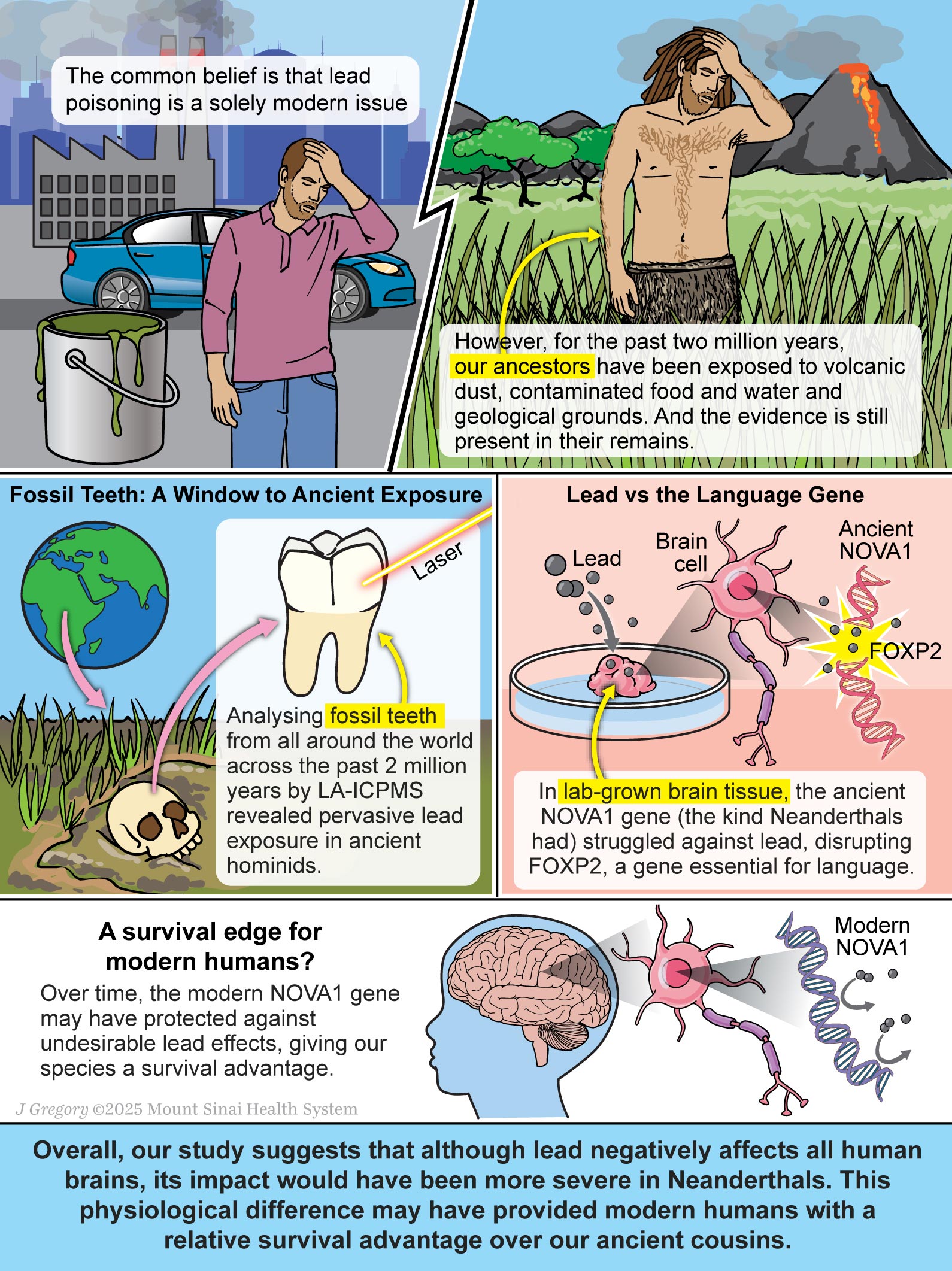
An international team of scientists has challenged the long-held belief that exposure to lead is primarily a modern, post-industrial issue. Their findings show that human ancestors encountered this toxic metal periodically for more than two million years, and that such exposure may have influenced the evolution of hominid brains, behavior, and even the origins of language.
The study, published in Science Advances, also offers new clues about how modern humans may have gained an advantage over Neanderthals. Experiments using brain organoids with Neanderthal genetic variants showed that these brains were more sensitive to lead exposure than those with modern human genetics, suggesting that Neanderthals were more vulnerable to the metal’s harmful effects.
The research was led by the Geoarchaeology and Archaeometry Research Group (GARG) at Southern Cross University (Australia), in collaboration with the Department of Environmental Medicine at the Icahn School of Medicine at Mount Sinai Hospital (New York, USA) and the School of Medicine at the University of California San Diego (UCSD, USA). The team combined advanced fossil geochemistry, brain organoid studies, and evolutionary genetics to reveal an unexpected connection between environmental toxins and human evolution.
A toxic thread through human evolution
Previously, scientists assumed that lead exposure arose mainly from industrial activities such as mining, smelting, and the use of leaded fuel and paint. However, by analyzing 51 fossilized teeth from early hominids and great apes—including Australopithecus africanus, Paranthropus robustus, early Homo, Neanderthals, and Homo sapiens—the researchers identified clear chemical traces of repeated lead exposure dating back nearly two million years.
Using high-precision laser-ablation geochemistry at Southern Cross University’s GARG Facility in Lismore (NSW) and state-of-the-art technology from Mount Sinai’s Exposomics laboratories, the team discovered distinct “lead bands” within the teeth. These bands, which formed during childhood as enamel and dentine developed, indicate multiple episodes of lead absorption from both environmental sources (including contaminated water, soil, or volcanic activity) and from internal bone stores that released lead during times of stress or illness.
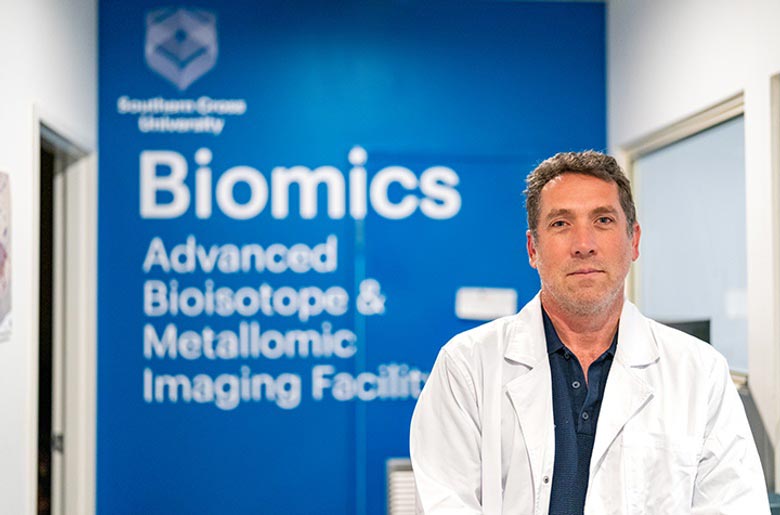
“Our data show that lead exposure wasn’t just a product of the Industrial Revolution – it was part of our evolutionary landscape,” said Professor Renaud Joannes-Boyau, Head of the GARG research group at Southern Cross University.
“This means that the brains of our ancestors developed under the influence of a potent toxic metal, which may have shaped their social behavior and cognitive abilities over millennia.”
From fossils to function: lead and the language gene
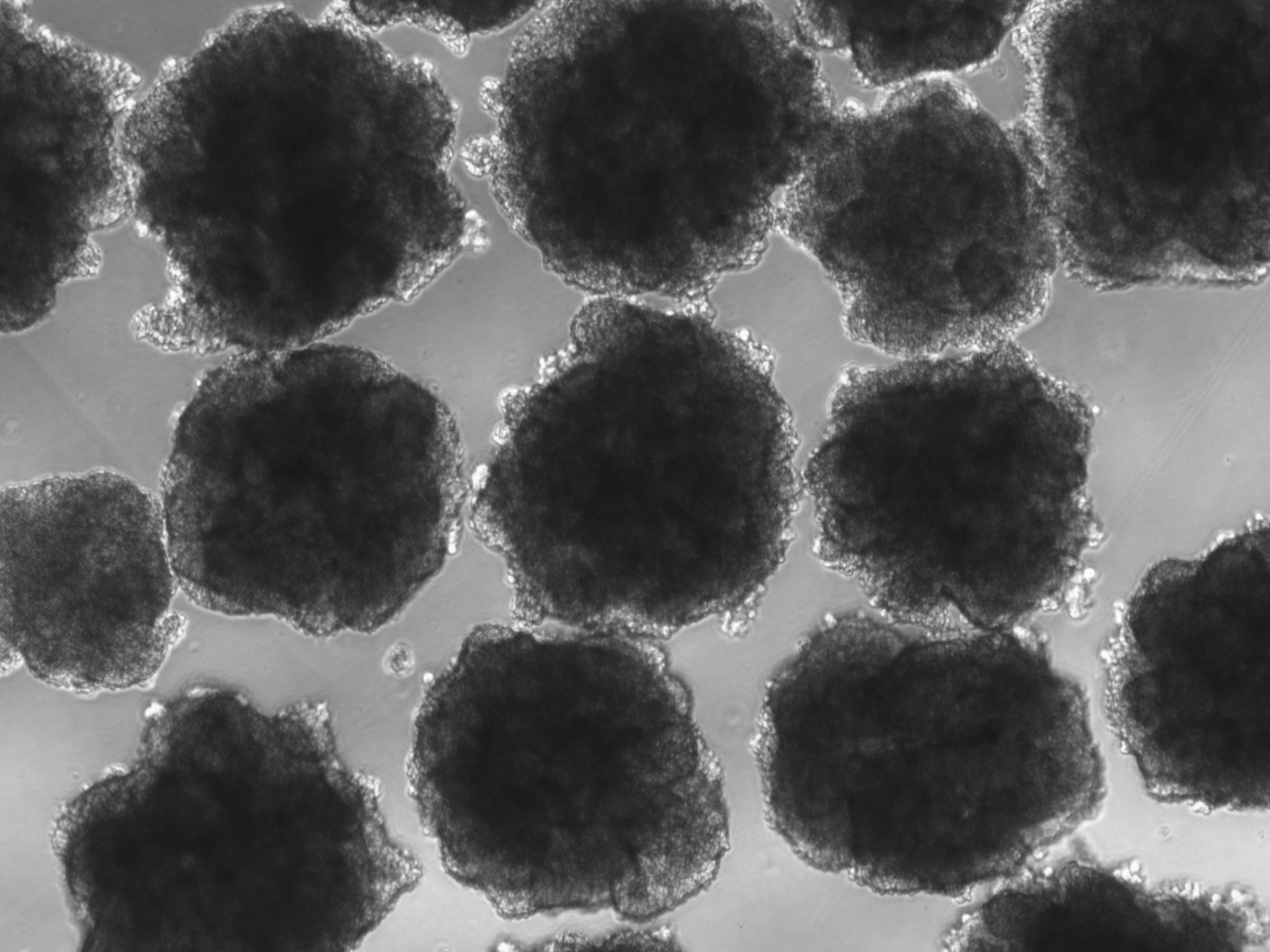
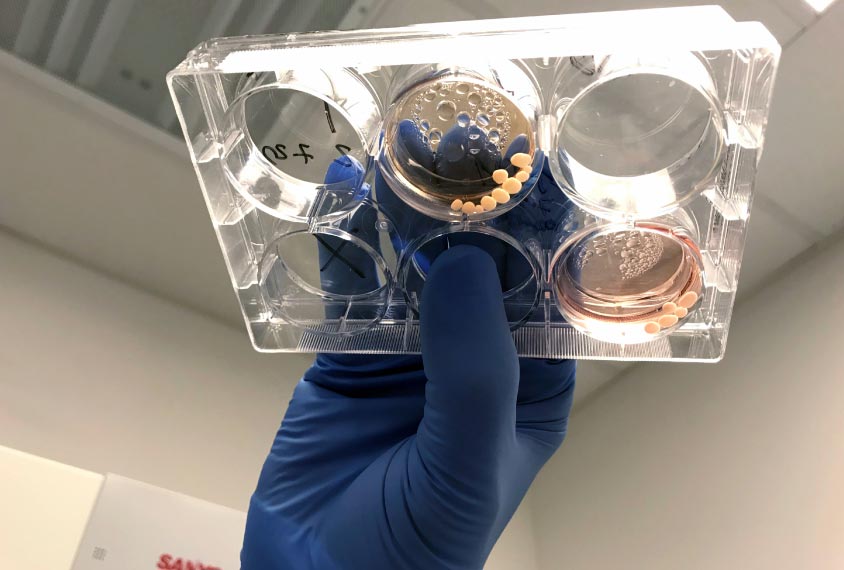
The team also turned to the lab to explore how this ancient exposure might have affected brain development. Using human brain organoids, miniature, lab-grown models of the brain, they compared the effects of lead on two versions of a key developmental gene called NOVA1, a gene known to orchestrate gene expression upon lead exposure during neurodevelopment. The modern human version of NOVA1 is different from that found in Neanderthals and other extinct hominids, but until now, scientists did not know why this change evolved.
When organoids carrying the archaic NOVA1 variant were exposed to lead, they showed marked disruptions in the activity of FOXP2 – expressing neurons in the cortex and thalamus – brain regions that are critical for the development of speech and language. This effect was far less pronounced in organoids with the modern NOVA1 variant.
“These results suggest that our NOVA1 variant may have offered protection against the harmful neurological effects of lead,” said Professor Alysson Muotri, Professor of Pediatrics/Cellular & Molecular Medicine and Director of the UC San Diego Sanford Stem Cell Institute Integrated Space Stem Cell Orbital Research Center.
“It’s an extraordinary example of how an environmental pressure, in this case, lead toxicity, could have driven genetic changes that improved survival and our ability to communicate using language, but which now also influence our vulnerability to modern lead exposure.”
Genetics, neurotoxins, and the making of modern humans
Genetic and proteomic analyses in this study revealed that lead exposure in archaic-variant organoids disrupted pathways involved in neurodevelopment, social behavior, and communication. The altered FOXP2 activity in particular points to a possible link between ancient lead exposure and the evolutionary refinement of language abilities in modern humans.
“This study shows how our environmental exposures shaped our evolution,” said Professor Manish Arora, Professor and Vice Chairman of Environmental Medicine.
“From the perspective of inter-species competition, the observation that toxic exposures can offer an overall survival advantage offers a fresh paradigm for environmental medicine to examine the evolutionary roots of disorders linked to environmental exposures.”
Modern lessons from an ancient problem
While lead exposure today is mostly due to human industry, it remains a serious global health issue, particularly for children. The findings underscore how deeply intertwined environmental toxins and human biology have been and warn that our vulnerability to lead may be an inherited legacy of our past.
“Our work not only rewrites the history of lead exposure,” added Professor Joannes-Boyau, “it also reminds us that the interaction between our genes and the environment has been shaping our species for millions of years, and continues to do so.”
About the research
The study analyzed fossil teeth from Africa, Asia, Europe, and Oceania, using advanced geochemical mapping to identify patterns of childhood lead exposure. Laboratory experiments with brain organoids carrying either modern or archaic NOVA1 genes examined the effects of lead on brain development, with a focus on FOXP2, a gene central to speech and language. Genetic, transcriptomic, and proteomic data were integrated to build a comprehensive picture of how lead may have influenced the evolution of hominid social behavior and cognition.
Reference: “Impact of intermittent lead exposure on hominid brain evolution” by Renaud Joannes-Boyau, Janaina Sena de Souza, Manish Arora, Christine Austin, Kira Westaway, Ian Moffat, Wei Wang, Wei Liao, Yingqi Zhang, Justin W. Adams, Luca Fiorenza, Flora Dérognat, Marie-Helene Moncel, Gary T. Schwartz, Marian Bailey, Filipe F. dos Santos, Gabriela D. A. Guardia, Rafael L. V. Mercuri, Pedro A. F. Galante, Aline M. A. Martins, Blake L. Tsu, Christopher A. Barnes, John YatesIII, Luiz Pedro Petroski, Sandra M. Sanchez-Sanchez, Jose Oviedo, Roberto H. Herai, Bernardo Lemos, Matthew Tonge and Alysson R. Muotri, 15 October 2025, Science Advances.
DOI: 10.1126/sciadv.adr1524
Funding: NIH/National Institutes of Health, California Institute for Regenerative Medicine, NIH/National Institutes of Health, National Institute of Environmental Health Sciences, Australian Research Council, Australian Research Council, Australian Research Council, Australian Research Council, Australian Research Council, National Institute of Environmental Health Sciences, National Institute of Environmental Health Sciences, NIH/National Institute of Environmental Health Sciences, NIH/National Institute of Environmental Health Sciences, NIH/National Institute of Environmental Health Sciences, NIH/National Institute of Environmental Health Sciences
Never miss a breakthrough: Join the SciTechDaily newsletter.
Follow us on Google and Google News.