
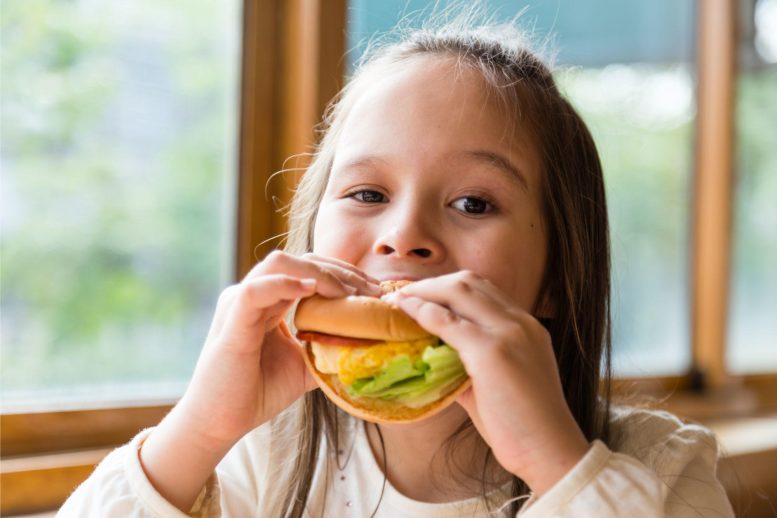
Boredom Boosts Kids’ Calorie Intake
A recent study conducted at Aston University revealed that children as young as four consume 79% more calories when they’re bored compared to when they’re in a neutral state of mind.
Despite boredom being a common emotion experienced by many children, no research to date has looked experimentally at how much more children eat when bored. On average, the study shows that children who were feeling bored ate 95 kcal when they were already full, compared to children in a neutral mood condition who ate just 59 kcal.
The pioneering research was led by Dr Rebecca Stone as part of her PhD, supervised by Professor Claire Farrow and Professor Jackie Blissett from Aston University, and Professor Emma Haycraft from Loughborough University.
Factors Influencing Children’s Eating Behavior
Children’s eating behavior is shaped by their genetics, temperament, and a range of other factors, including the feeding practices they experience. In previous research, the authors have explored the behaviors that make children more likely to eat when they experience negative emotions. Often when children experience negative emotions such as boredom or sadness, adults will use food to soothe them. However, this behavior, which is known as emotional feeding, appears to enhance the likelihood of children eating more when they are upset, potentially teaching children to seek food when their mood is low.
As part of the study, the researchers asked parents about the feeding practices that they used with their child and about their child’s temperament. Children and parents were given a standard meal that they ate until they were full. Children then took part in a series of everyday conditions where their mood was assessed and one of these conditions was boring for the children.
The researchers found that if parents reported using food to soothe their child’s emotions often and their child was highly emotional children ate five times more kilocalories when feeling bored (104 kcal) compared to in a neutral mood (21 kcal).
Potential Impact on Caloric Intake
Dr Stone said: “If children are eating this many more calories during one instance of boredom induced in a laboratory (a four-minute period), given that boredom is a commonly experienced emotion in children, the potential for excess calorie intake in response to being bored across one day, one week, or one year, is potentially very significant in a food abundant environment.”
Previous studies on what can influence eating behavior in children have tended to be based on questionnaires, with all negative moods, including sadness, anger, and anxiety, grouped together. Boredom is easily identifiable, and generally easily rectified, so helping parents to deal with children’s boredom without using food would be a potentially helpful way of reducing less healthy snacking.
Dr Stone stresses that the experience of boredom is important in the development of children’s sense of self and creativity, so does not recommend that children could or should avoid being bored. Instead, she suggests that children need to learn to experience boredom without turning to food, and that parents could try to divert their child’s attention away from food when feeling bored, or restructure the home food environment to make it less likely that children turn to food when they are bored.
Expert Opinion and Future Directions
Professor Farrow said: “It is commonly assumed that children tend to turn to food when bored and that some children are more likely to do this than others. This is the first study to experimentally test this in the laboratory. Whilst there do appear to be individual differences between children in terms of their eating when bored, it is helpful to know that the feeding practices that adults use around food might shape the likelihood of this happening. Although it is tempting to use food as a tool to comfort children, research suggests that emotional feeding might lead to greater emotional eating in the future. It is important that parents and caregivers are aware that this short-term fix could create future challenges.”
The research team is interested in exploring other negative mood states in children and in developing advice and support for families to find effective ways to manage challenges around child eating behavior.
Reference: “Emotional eating following a laboratory mood induction: The interaction between parental feeding practices and child temperament” by Rebecca A. Stone, Jacqueline Blissett, Emma Haycraft and Claire Farrow, 10 October 2023, Food Quality and Preference.
DOI: 10.1016/j.foodqual.2023.105008
Never miss a breakthrough: Join the SciTechDaily newsletter.
Follow us on Google and Google News.