
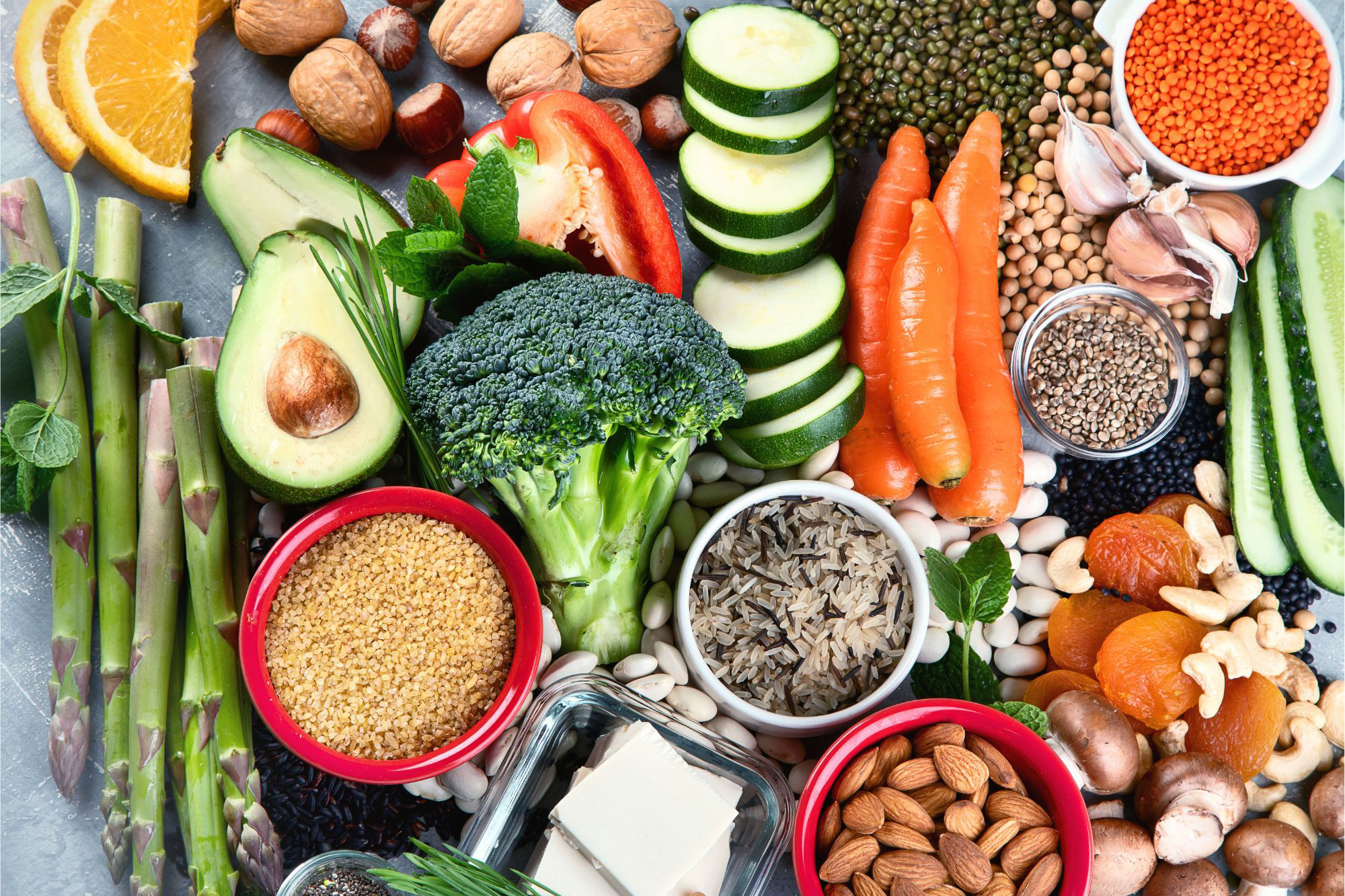
People who eat a healthy, plant-based diet that is high in vegetables, fruit, whole grains, and nuts are less likely to suffer from obstructive sleep apnoea (OSA), according to a recent study published in ERJ Open Research. Conversely, those who consume a less healthy plant-based diet, characterized by a high intake of refined carbohydrates, sugary beverages, and foods high in sugar and salt, face an increased risk of developing OSA.
People with OSA often snore loudly, their breathing starts and stops during the night, and they may wake up several times. Not only does this cause tiredness, but it can also increase the risk of high blood pressure, stroke, heart disease and type 2 diabetes.
The new study is one of the first large-scale analyses to investigate the correlation between plant-based diets and OSA risk. Researchers say its findings suggest that eating a healthy, plant-based diet may help prevent or treat OSA.
Study Insights and Findings
The research was led by Dr Yohannes Melaku from Flinders University in Adelaide, Australia. He said: “Risk factors for obstructive sleep apnoea may stem from genetics or behavior, including diet. Previous research has primarily focused on the impact of calorie restriction, specific dietary elements, and weight loss. There’s a gap in our knowledge of how overall dietary patterns affect OSA risk. With this study, we wanted to address that gap and explore the association between different types of plant-based diets and the risk of OSA.”
The research included data on 14,210 people who were taking part in the US National Health and Nutrition Examination Survey.
Participants were asked to explain everything they had eaten over the last 24 hours. Researchers categorized this information according to whether people were eating a healthy plant-based diet (including whole grains, fruits, vegetables, nuts, legumes, tea, and coffee) or a diet high in animal foods (including animal fat, dairy, eggs, fish or seafood, and meat). They also looked at whether people were eating an unhealthy, plant-based diet (including refined grains, potatoes, sugar-sweetened drinks, sweets, desserts, and salty foods).
Participants also answered a questionnaire designed to gauge whether they are likely to be suffering from OSA.
People with diets highest in plant-based food were 19% less likely to be suffering with OSA, compared with those eating diets lowest in plant-based food. Those eating a largely vegetarian diet were also at a lower risk. However, people eating a diet high in unhealthy plant-based foods were at a 22% higher risk, compared to those eating low amounts of these foods.
The researchers also found differences in the risks for women and men, with a plant-based diet having a stronger correlation with OSA risk for men and an unhealthy plant-based diet having a bigger increase in women’s risk.
Gender Differences and Dietary Impact
Dr Melaku said: “These results highlight the importance of the quality of our diet in managing the risk of OSA. It’s important to note these sex differences because they underscore the need for personalized dietary interventions for people with OSA.
“This research doesn’t tell us why diet is important, but it could be that a healthy plant-based diet reduces inflammation and obesity. These are key factors in OSA risk. Diets rich in anti-inflammatory components and antioxidants, and low in harmful dietary elements, can influence fat mass, inflammation, and even muscle tone, all of which are relevant to OSA risk.”
The researchers now plan to investigate the links between eating ultra-processed food and OSA risk in the same group of people. They also intend to study the interaction between diet and OSA risk over the longer term.
Professor Sophia Schiza is Head of the European Respiratory Society’s assembly on sleep-disordered breathing, based at the University of Crete, Greece, and was not involved in the research. She said: “Obstructive sleep apnoea is a frequently occurring condition, and a significant number of individuals remain unaware of their own diagnosis despite the associated risks. There are treatments available for OSA, and patients can also take certain steps to improve their condition. This involves refraining from smoking, maintaining a healthy weight, and staying physically active.
“The findings of this study propose that modifying our diet might be beneficial in managing or avoiding OSA. Being aware that incorporating a wide variety of vegetables, fruits, and whole grains into our diet while minimizing the consumption of unhealthy foods and sugary drinks can greatly improve our overall health. We need to make it as easy as possible for everyone to adopt a healthy diet.”
Reference: “Plant-based and vegetarian diets are associated with reduced obstructive sleep apnoea risk” by Yohannes Adama Melaku, Lijun Zhao, Robert Adams and Danny J. Eckert, 20 February 2024, ERJ Open Research.
DOI: 10.1183/23120541.00739-2023
Never miss a breakthrough: Join the SciTechDaily newsletter.
Follow us on Google and Google News.
1 Comment
They are also less likely to be obese, obesity is a major cause of snoring.