
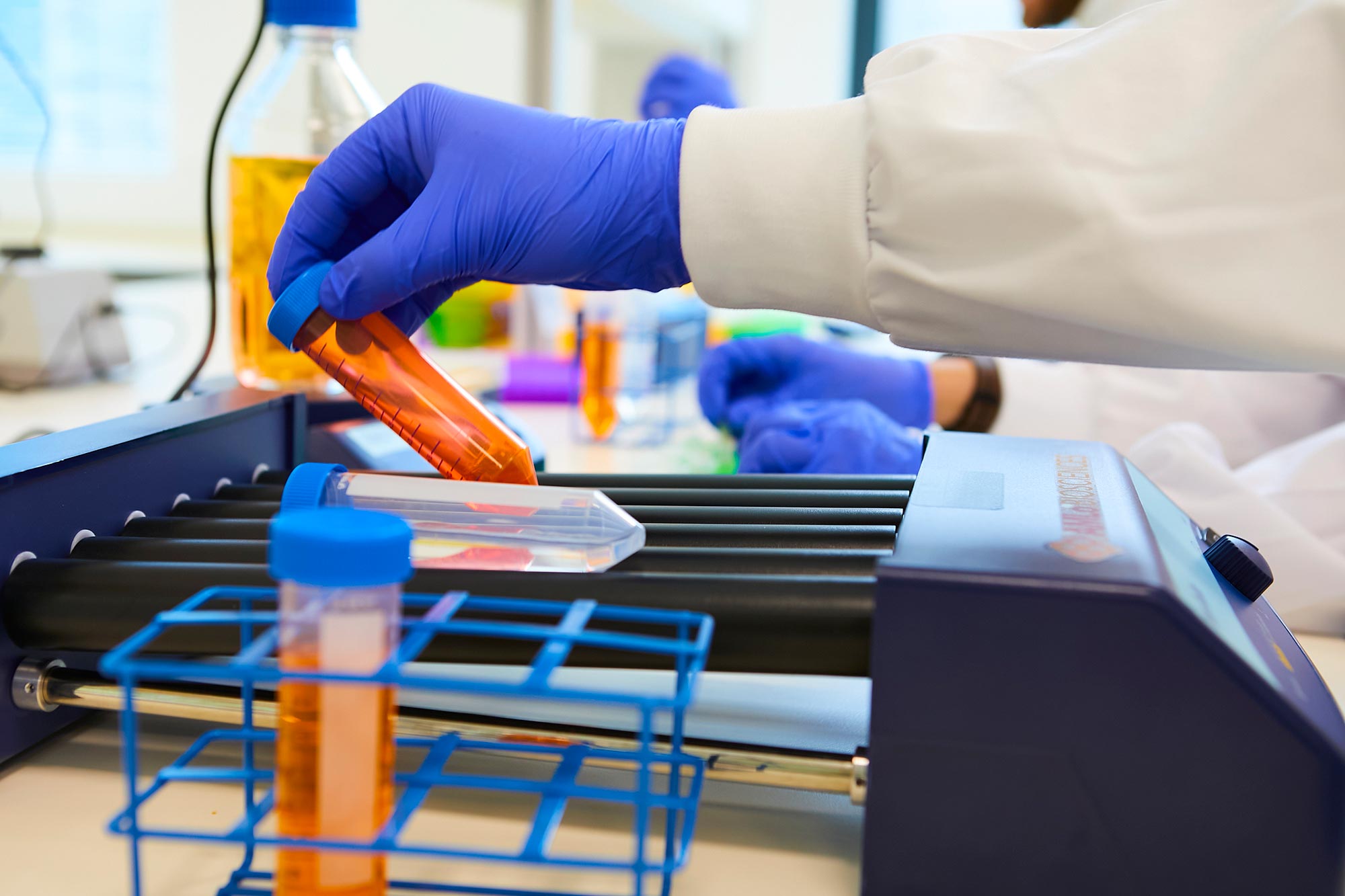
AMBLor®, a new test from Newcastle University, accurately assesses the risk of early-stage melanomas spreading, enabling tailored patient management and reducing follow-up visits.
A pioneering test that reliably predicts the spread or return of the most deadly form of skin cancer has been developed by a team of Newcastle scientists and clinicians.
The technological advance came as they made a scientific breakthrough in understanding the mechanism of skin cancer growth.
Enhancing Early Melanoma Detection
Led by Professor Penny Lovat at Newcastle University, UK, in association with the University spin-out company AMLo Biosciences, the test offers reassurance for patients diagnosed with an early stage melanoma.
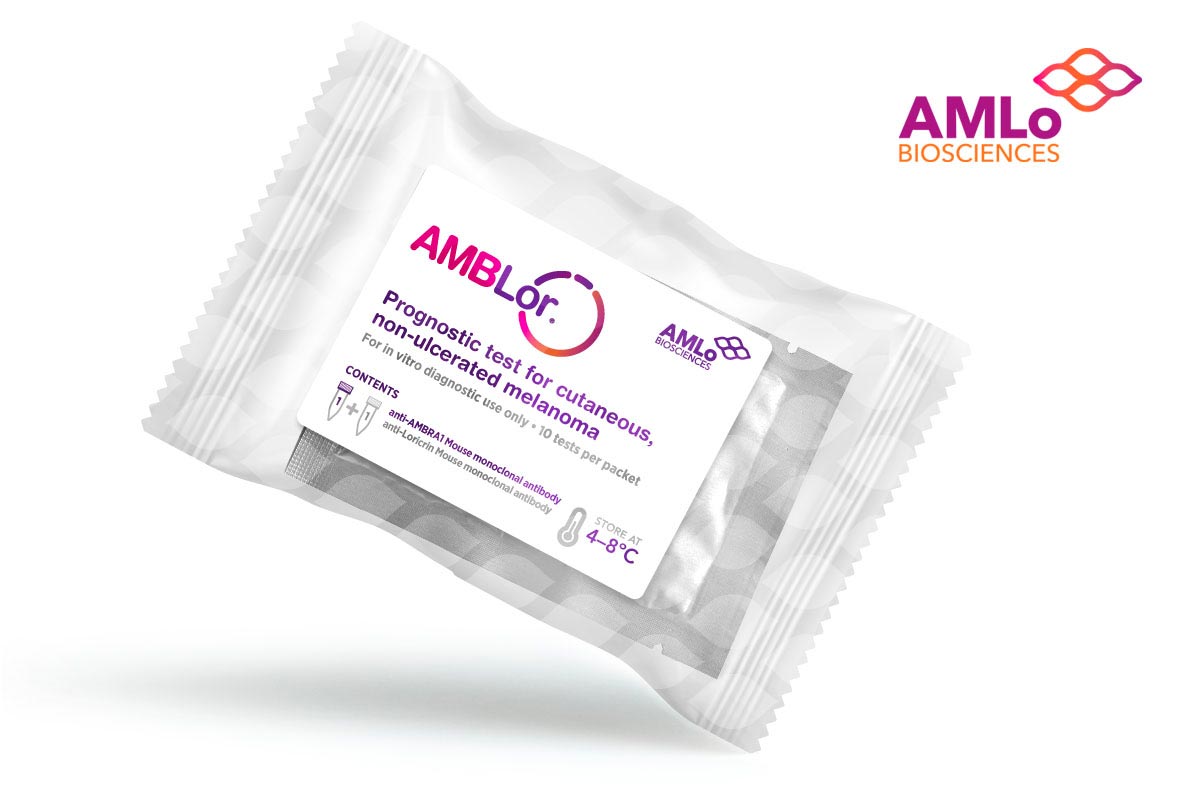
By applying the test – called AMBLor® – to the standard biopsy of the primary melanoma on its removal, patients who are at low risk of the disease reoccurring or spreading can be identified.
Streamlining Patient Management in Dermatology
With the support of the National Institute for Health Research (NIHR) to develop the provision and working with AMLo Biosciences, a referral service is now available where sections from a patient’s melanoma can be posted to a lab for analysis.
The test identifies a patient’s true risk of disease progression and provides anyone diagnosed with a non-ulcerated early stage melanoma – accounting for around 75% of all new diagnoses – more accurate information about the risk of the disease spreading.
Now the scientists have demonstrated the mechanism in the skin that underpins the test, publishing the research in the British Journal of Dermatology.
Mechanisms of Melanoma Progression Unveiled
Melanoma is increasing worldwide and every year more than 16,000 people in the UK and 96,000 people in the US are diagnosed with the cancer.
In the new research, the authors explain how early stage melanomas at risk of spreading secrete a growth factor, TGFß2 which causes the reduction, or downregulation, of the proteins AMBRA1 and Loricrin – both of which are found in the skin overlaying the tumor. The growth factor TGFß2 also causes the loss of claudin-1 leading to loss of the integrity of the skin and facilitating ulceration.
Test Adoption and Clinical Benefits
Senior author Professor Penny Lovat, Professor of Cellular Dermatology and Oncology at Newcastle University and Chief Scientific Officer at AMLo Biosciences explains: “Like mortar and bricks holding together a wall, AMBRA1, Loricrin and Claudin 1 are all proteins key to maintaining the integrity of the upper layer of the skin. When these proteins are lost gaps develop – like the mortar crumbling away in the wall. This allows the tumor to spread and ultimately ulcerate which we know is a process associated with higher risk tumors.

“Our new understanding of this biological mechanism underpins the test we have available.”
Cory Inglis, 49, lives on the South Coast and AMBLor®is about to be used on his standard biopsy after a diagnosis of a melanoma on his back. He explained: “When you sit down with a dermatologist after the initial excision, you hear that it wasn’t a mole, it was a melanoma. You are in a state of fear. It’s overwhelming. At that moment a lot of the information that is provided is in very impenetrable, technical language. You ask yourself, what does it mean for me? To be able to have a test like this which provides you with result of the melanoma being low or at risk can help your medical team communicate the information in a way that is comprehensible, and importantly to help them to make the right subsequent decisions for you.
Supporting Patients and Reducing Healthcare Costs
“A test, like AMBLor® which tells you that your tumor is genuinely low risk helps significantly with the anxiety of an already very stressful situation.
“Patients will understand what a low risk result means. If the result is at risk, it completely justifies the significant number of interactions that you will have with the dermatology team over a five year period. I don’t see any downside in providing the dermatology team with more information about your melanoma.”
Professor Penny Lovat added: “Our test offers a personalized prognosis as it more accurately predicts if your skin cancer is unlikely to spread. This test will aid clinicians to identify genuinely low risk patients diagnosed with an early stage melanoma and to reduce the number of follow up appointments for those identified as low risk, saving NHS time and money.”
Phil Brady, Chief Operating Officer, British Skin Foundation said: “The British Skin Foundation is proud to support Prof Penny Lovat’s ground-breaking melanoma research. The development of the AMBLor test can alleviate stress and anxiety for patients caused by this potentially deadly skin cancer, whilst increasing efficiency and reducing costs to the NHS.”
Professor Nick Levell, Consultant Dermatologist & British Skin Foundation spokesperson who has not been involved in the research said: “This is excellent news. This new test for melanoma will help many people with skin cancer. People at low risk can be reassured and will not have to attend hospital so often for check-ups. This British Skin Foundation co-funded research is an important step forward in making care after melanoma more personal.”
Summary of the Advancements in Melanoma Diagnosis
Currently, primary tumors are removed by surgery and pathologists study the biopsy under the microscope to determine the stage the skin cancer is at and the risk of it spreading (metastasis). Even if defined as low risk, the patient is followed up in clinic for as long as five years – and it is these patients that the test is able to identify.
The AMBRA1 and loricrin test is accredited by UKAS and is already available through a private referral service from the spin out company, AMBLo Biosciences. The test involves tissue sections from the standard biopsy being sent in the post to the lab for analysis. The Newcastle team have also submitted an application for the test to be made available on the NHS.
Reference: “Melanoma secretion of TGFß-2 leads to loss of epidermal AMBRA1 threatening epidermal integrity and facilitating tumour ulceration” by I. Cosgarea, A.T. McConnell, T. Ewen, D. Tang, D.S. Hill, M. Anagnostou, M. Elias, R.A. Ellis, A. Murray, L.C. Spender, P. Giglio, M. Gagliardi, A. Greenwood, M. Piacentini, G.J. Inman, G.M. Fimia, M. Corazzari, J.L. Armstrong and P.E. Lovat, 13 November 2021, British Journal of Dermatology.
DOI: 10.1111/bjd.20889
Never miss a breakthrough: Join the SciTechDaily newsletter.
Follow us on Google and Google News.