
Close Menu
    Facebook X (Twitter) Instagram
    SciTechDaily
    • Biology
    • Chemistry
    • Earth
    • Health
    • Physics
    • Science
    • Space
    • Technology
    Facebook X (Twitter) Pinterest YouTube RSS
    SciTechDaily
    Home»Science»Polar Bears at Sea Have Higher Pollution Levels Than Those Staying on Land – Here’s Why
    Science

    Polar Bears at Sea Have Higher Pollution Levels Than Those Staying on Land – Here’s Why

    By American Chemical SocietyDecember 11, 2019No Comments3 Mins Read
    Facebook Twitter Pinterest Telegram LinkedIn WhatsApp Email Reddit
    Share
    Facebook Twitter LinkedIn Pinterest Telegram Email Reddit
    Polar Bear
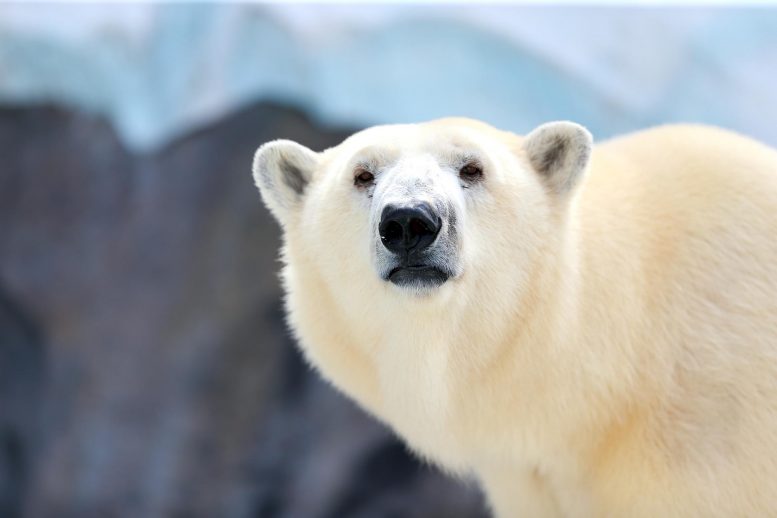
    Polar bears that follow sea ice to offshore areas have higher pollutant levels than those staying on land.

    As the climate changes, myriad animal populations are being impacted. In particular, Arctic sea ice is in decline, causing polar bears in the Barents Sea region to alter their feeding and hunting habits. Bears that follow sea ice to offshore areas have higher pollutant levels than those staying on land — but why? A new study published today (December 11, 2019) in ACS’ Environmental Science & Technology reports the likely reasons.

    Barents Sea polar bears fall into two categories: pelagic, which migrate annually to hunt at sea, and coastal, which stay on land to fast or hunt. Changes in sea-ice availability have forced both types of bears to adjust how they find food.
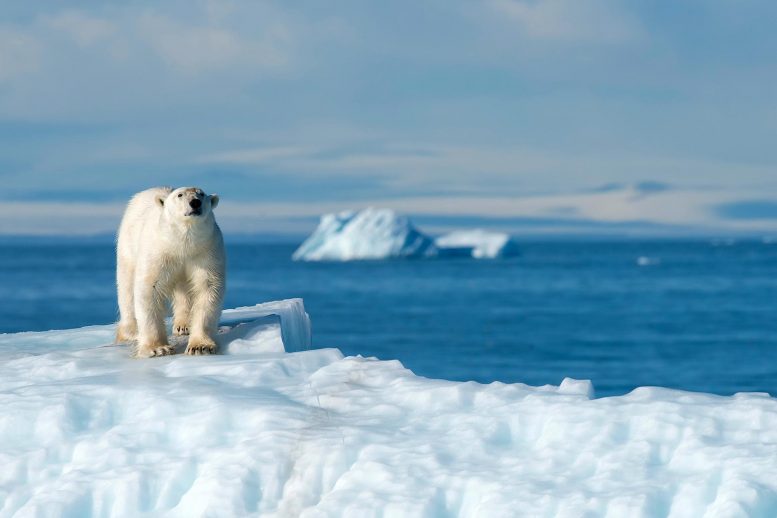
    Polar Bear on Ice
    Pelagic bears migrate annually to hunt at sea. In recent decades, pelagic bears have shifted northward as southern ice has receded.

    In recent decades, pelagic bears have shifted northward as southern ice has receded. Pelagic bears now have farther to migrate, while longer periods without ice have led coastal bears to feed on land-based prey or rely on their fat reserves. Previous studies have shown that pelagic bears have higher levels of pollutants, such as persistent organic pollutants (POPs), in their bodies, but little is known about why that difference exists. To solve this mystery, Pierre Blévin at the Norwegian Polar Institute and colleagues collected an array of data that paints a clearer picture of how climate change affects polar bears.

    In their study, the researchers gathered data on feeding habits, migration patterns, energy expenditure, and geography to determine how the two polar bear types differed. They also measured pollutant levels in the prey that polar bears typically consume.
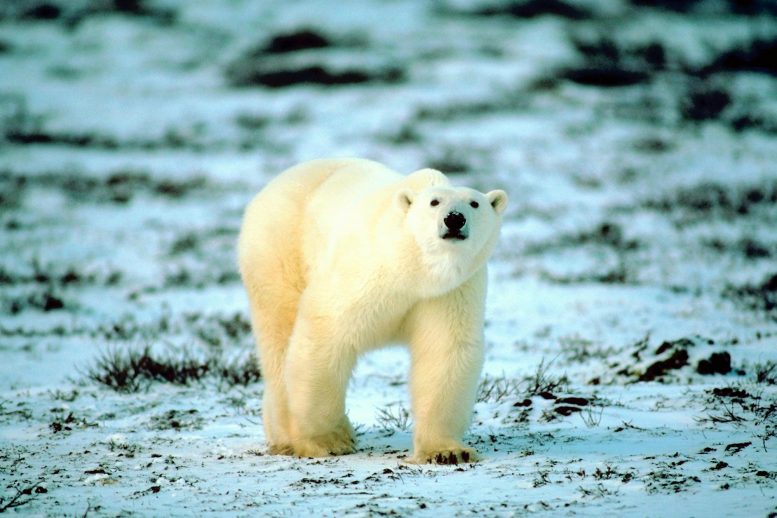
    Polar Bear on Land
    Coastal bears stay on land to fast or hunt. Longer periods without ice have led coastal bears to feed on land-based prey or rely on their fat reserves.

    The results indicated that several factors cause pelagic bears to accumulate more pollutants than those that stay on land. Sea-based bears feed on a higher proportion of marine life, especially those that are higher up the food chain, leading to multiple layers of polluted food, compared to land hunters. In addition, sea hunters have higher energy requirements, which in turn causes them to consume more prey. Pelagic bears also feed on prey located closer to pollutant sources and transport pathways. These combined factors highlight the unique pollution exposure mechanisms that polar bears face in this region, and how increased sea hunting by polar bears could enhance pollutant accumulation in these animals as the ice recedes, the researchers say.

    Reference: “Pelagic vs Coastal—Key Drivers of Pollutant Levels in Barents Sea Polar Bears with Contrasted Space-Use Strategies” by Pierre Blévin, Jon Aars, Magnus Andersen, Marie-Anne Blanchet, Linda Hanssen, Dorte Herzke, Rachel M. Jeffreys, Erling S. Nordøy, Marianna Pinzone, Camille de la Vega and Heli Routti, 11 December 2019, Environmental Science & Technology.
    DOI: 10.1021/acs.est.9b04626

    The authors acknowledge funding from the Norwegian Ministry of Climate and Environment and the Norwegian Polar Institute.

    Never miss a breakthrough: Join the SciTechDaily newsletter.
    Follow us on Google and Google News.

    American Chemical Society Ecology Pollution
    Share. Facebook Twitter Pinterest LinkedIn Email Reddit

    Related Articles

    Air Pollution Destroys Sexual Pheromones – Impairs Successful Mating of Flies

    How Is It Raining Plastic?! [Video]

    Urban Wastes Used As Fertilizers Contain Higher PFAS Than Livestock Manure

    Researchers Find Clean Air Act Saved 1.5 Billion Birds Over the Last 40 Years

    Vast COVID PPE Waste: Archaeologists Have a Role to Play in Informing Environmental Policy

    Prolonged Exposure to Weedkiller Roundup Can Cause Significant Harm to Keystone Species

    Laser-Etched Metal Purifies Contaminated Water Using Sunlight With Greater Than 100% Efficiency

    Superworms Digest Plastic: Superpower Made Possible by Bacterial Sidekicks

    Sewage Plants Can Remove Medicines From Wastewater – Here’s How

    Leave A Reply Cancel Reply

    • Facebook
    • Twitter
    • Pinterest
    • YouTube

    Don't Miss a Discovery

    Subscribe for the Latest in Science & Tech!

    Trending News

    The Universe Is Expanding Too Fast and Scientists Can’t Explain Why

    “Like Liquid Metal”: Scientists Create Strange Shape-Shifting Material

    Early Warning Signals of Esophageal Cancer May Be Hiding in Plain Sight

    Common Blood Pressure Drug Shows Surprising Power Against Deadly Antibiotic-Resistant Superbug

    Scientists Uncover Dangerous Connection Between Serotonin and Heart Valve Disease

    Scientists Discover a “Protector” Protein That Could Help Reverse Hair Loss

    Bone-Strengthening Discovery Could Reverse Osteoporosis

    Scientists Uncover Hidden Trigger Behind Stem Cell Aging

    Follow SciTechDaily
    • Facebook
    • Twitter
    • YouTube
    • Pinterest
    • Newsletter
    • RSS
    SciTech News
    • Biology News
    • Chemistry News
    • Earth News
    • Health News
    • Physics News
    • Science News
    • Space News
    • Technology News
    Recent Posts
    • Scientists Overcome Major Quantum Bottleneck, Potentially Transforming Teleportation and Computing
    • Quantum Physics’ Strangest Problem May Hold the Key to Time Itself
    • Scientists Create “Liquid Gears” That Spin Without Touching
    • The Simple Habit That Could Help Prevent Cancer
    • Forgotten Medicinal Plant Shows Promise in Fighting Dangerous Superbugs
    Copyright © 1998 - 2026 SciTechDaily. All Rights Reserved.
    • Science News
    • About
    • Contact
    • Editorial Board
    • Privacy Policy
    • Terms of Use

    Type above and press Enter to search. Press Esc to cancel.