
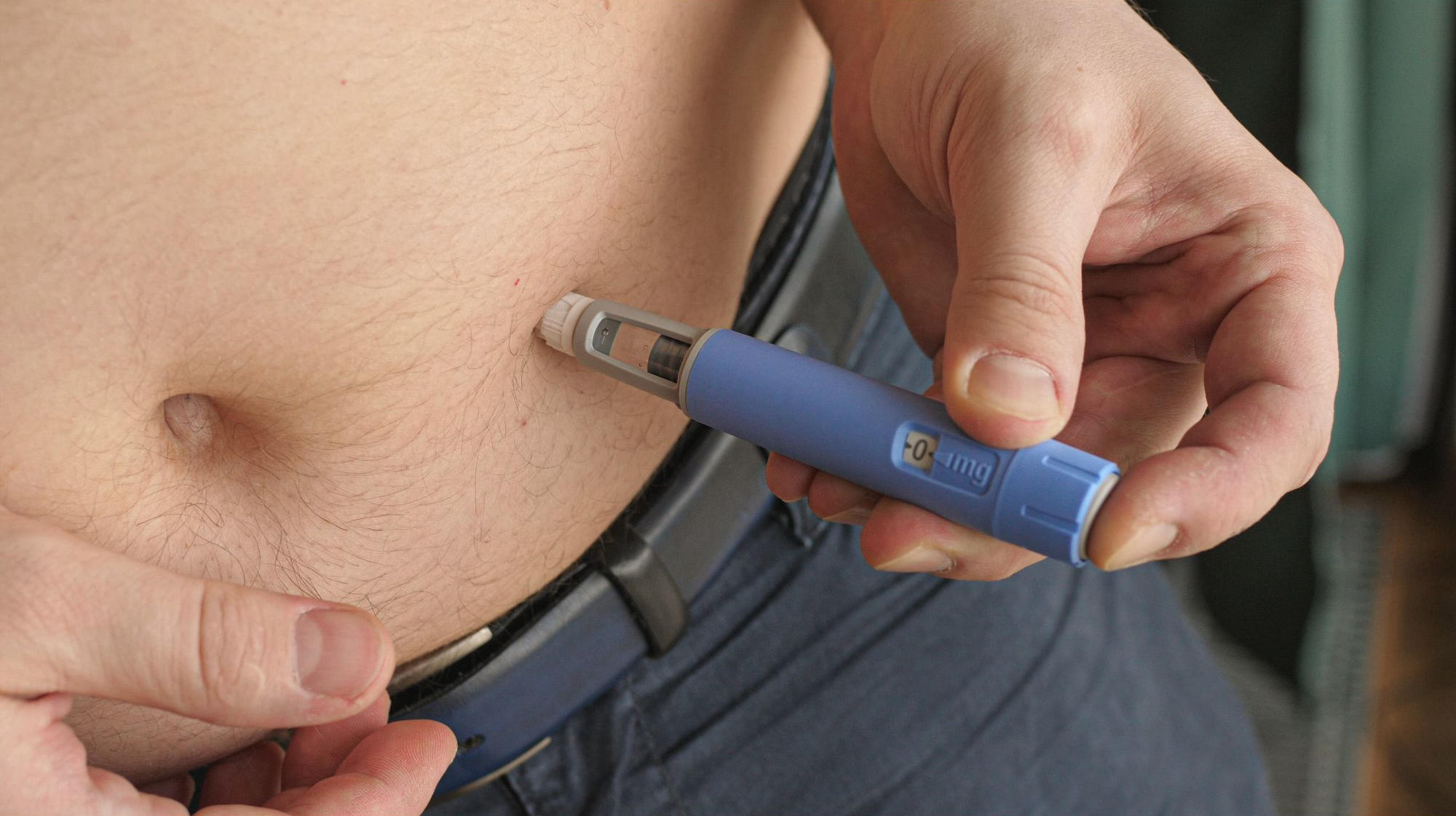
A study led by two undergraduate students at the University of Galway found that GLP-1 receptor agonists, a type of diabetes drug, may significantly reduce the risk of dementia.
Two undergraduate medical students at the University of Galway have led a major study investigating the impact of cardioprotective glucose-lowering therapies, medications that both reduce blood sugar levels and lower the risk of heart disease in people with diabetes—on the risk of developing dementia.
The findings were published in JAMA Neurology.
The study included a systematic review and meta-analysis of 26 clinical trials, encompassing data from over 160,000 participants.
The analysis revealed that while most glucose-lowering medications did not significantly alter the risk of dementia, one class, GLP-1 receptor agonists (GLP-1RAs), was associated with a meaningful reduction in dementia risk.
Popular GLP-1 receptor agonists include medications such as semaglutide (brand names Ozempic and Wegovy), liraglutide (Victoza and Saxenda), and dulaglutide (Trulicity).
These drugs mimic the action of a natural hormone called GLP-1, which helps regulate blood sugar by stimulating insulin release, slowing gastric emptying, and reducing appetite. Originally developed to treat type 2 diabetes, some GLP-1 receptor agonists are also approved for weight management due to their effects on appetite and metabolism.

The study was conducted by medical students Allie Seminer and Alfredi Mulihano, alongside researchers from the University of Galway, the HRB Clinical Research Facility Galway, and the University Hospital Galway.
Key Findings
- The research analyzed data from 26 randomized controlled trials with a total of 164,531 participants.
- While glucose-lowering therapies as a whole did not significantly reduce dementia risk, GLP-1 receptor agonists (GLP-1Ras) were linked to a 45% lower risk of dementia.
- The findings provide crucial insights into the potential for diabetes medications to influence long-term brain health.
Expert Reactions and Significance
Dr Catriona Reddin, senior author, researcher at the University of Galway and Registrar in Geriatric Medicine at HSE West North West, said: “This research represents a significant contribution to our understanding of how some diabetes medications may impact brain health. Diabetes is a known risk factor for dementia, but whether glucose-lowering therapies can help prevent cognitive decline has remained unclear. Our findings suggest that GLP-1 receptor agonists, in particular, may have a protective effect on brain health.”
Professor Martin O’Donnell, Dean of the College of Medicine, Nursing and Health Sciences at the University of Galway and Consultant Stroke Physician with HSE West North-West said: “Given the increasing prevalence of both diabetes and dementia, findings from this study have important public health implications for prevention of dementia.
“What makes this study particularly exciting for the College of Medicine, Nursing, and Health Sciences at University of Galway, is that it was led by two of our undergraduate medicine students. We place a strong emphasis on research as a core component of our undergraduate medicine program, ensuring that students have opportunities to engage in high-impact studies that shape global healthcare.”
Allie Seminer, a third-year student from New York and co-lead author, said: “Being involved in a study of this scale as an undergraduate has been an incredible experience. What stood out for me was the sense of responsibility – knowing that our work could help shape understanding of a global health issue. It was incredibly motivating to be part of a team working at this level, and it has shown me how research is an essential part of becoming a well-rounded doctor. It highlights how research is not just an add-on to our degree but an essential part of how we learn to advance medical knowledge.”
Alfredi Mulihano, a third-year student from Dundalk and co-lead author, said: “Being part of this study has completely changed how I see my role as a future doctor. It brought together clinical insight, data analysis, and critical thinking in a way that lectures alone cannot. The experience opened my eyes to the impact we can have beyond the bedside – contributing to knowledge that could change how diseases like dementia are prevented.”
Reference: “Cardioprotective Glucose-Lowering Agents and Dementia Risk: A Systematic Review and Meta-Analysis” by Allie Seminer, Alfredi Mulihano, Clare O’Brien, Finn Krewer, Maria Costello, Conor Judge, Martin O’Donnell and Catriona Reddin, 7 April 2025, JAMA Neurology.
DOI: 10.1001/jamaneurol.2025.0360
Never miss a breakthrough: Join the SciTechDaily newsletter.
Follow us on Google and Google News.