
Close Menu
    Facebook X (Twitter) Instagram
    SciTechDaily
    • Biology
    • Chemistry
    • Earth
    • Health
    • Physics
    • Science
    • Space
    • Technology
    Facebook X (Twitter) Pinterest YouTube RSS
    SciTechDaily
    Home»Space»Prepping for Departure: Cargo Packed, Astronauts Focused on Science and Spacesuits
    Space

    Prepping for Departure: Cargo Packed, Astronauts Focused on Science and Spacesuits

    By NASAJuly 12, 2024No Comments4 Mins Read
    Facebook Twitter Pinterest Telegram LinkedIn WhatsApp Email Reddit
    Share
    Facebook Twitter LinkedIn Pinterest Telegram Email Reddit
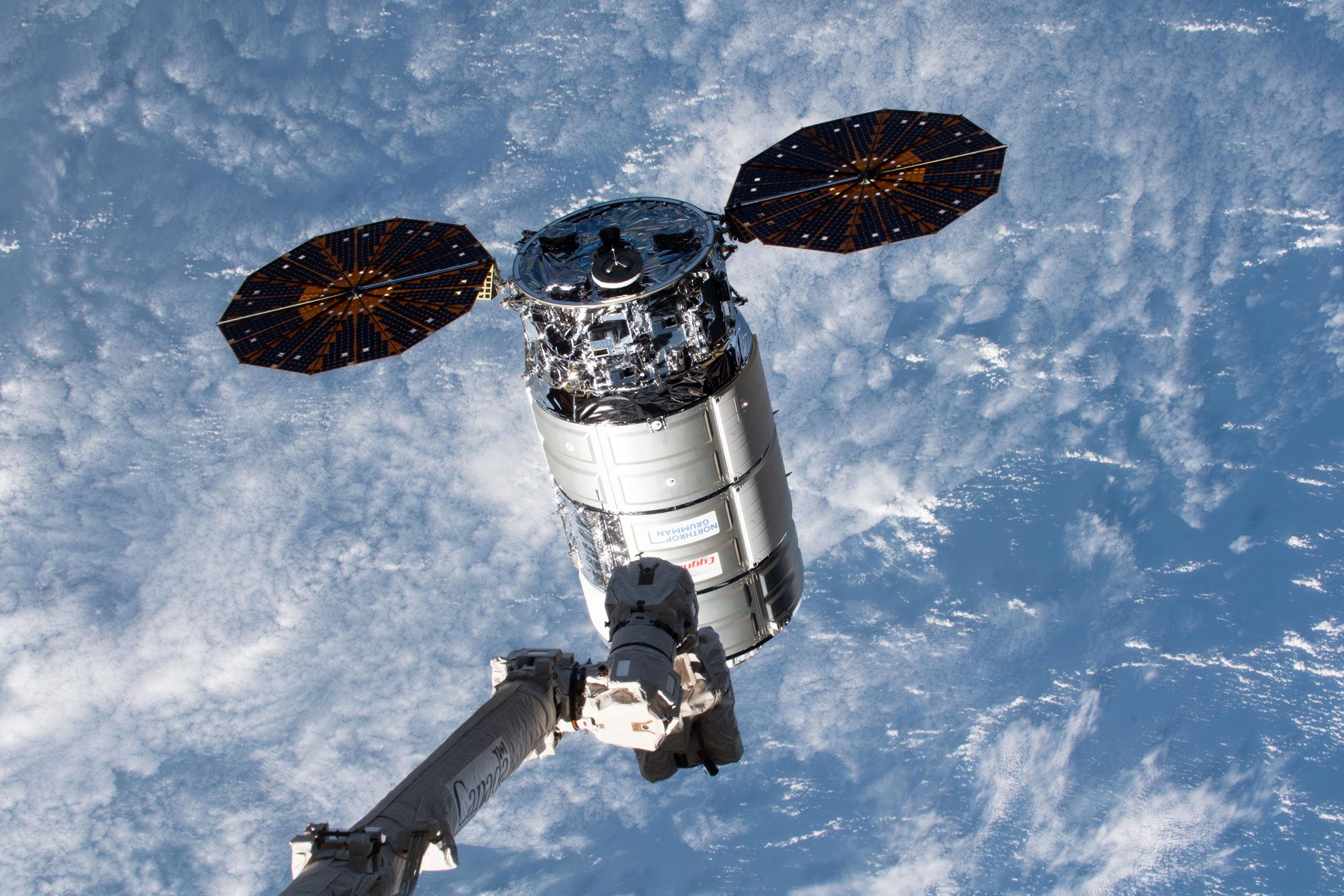
    Canadarm2 Robotic Arm Reaches Out Toward Cygnus Space Freighter February 2024
    The Canadarm2 robotic arm reaches out toward Northrop Grumman’s Cygnus space freighter, packed with more than 8,200 pounds of science experiments, crew supplies, and station hardware, for capture and installation to the International Space Station’s Unity module. Both spacecraft were orbiting 262 miles above the Pacific Ocean off the coast of Japan’s island of Hokkaido at the time of this photograph. Credit: NASA

    A cargo craft will soon depart from the ISS, with its journey live-streamed by NASA. Alongside, the crew conducts biological research and equipment maintenance, preparing for future spacewalks and missions.

    A U.S. cargo craft is being readied for its departure on Friday, July 12, from the International Space Station (ISS) after a five-and-a-half-month resupply mission. In the meantime, the nine orbital residents comprising the Expedition 71 and Starliner crews studied space biology and 3D printing while servicing a pair of spacesuits on Thursday.

    Northrop Grumman’s Cygnus resupply ship will end its stay at the orbital outpost at 7 a.m. EDT on Friday. Robotics controllers will command the Canadarm2 robotic arm to remove Cygnus from the Unity module and then release it into orbit where it will descend into the Earth’s atmosphere above the South Pacific.
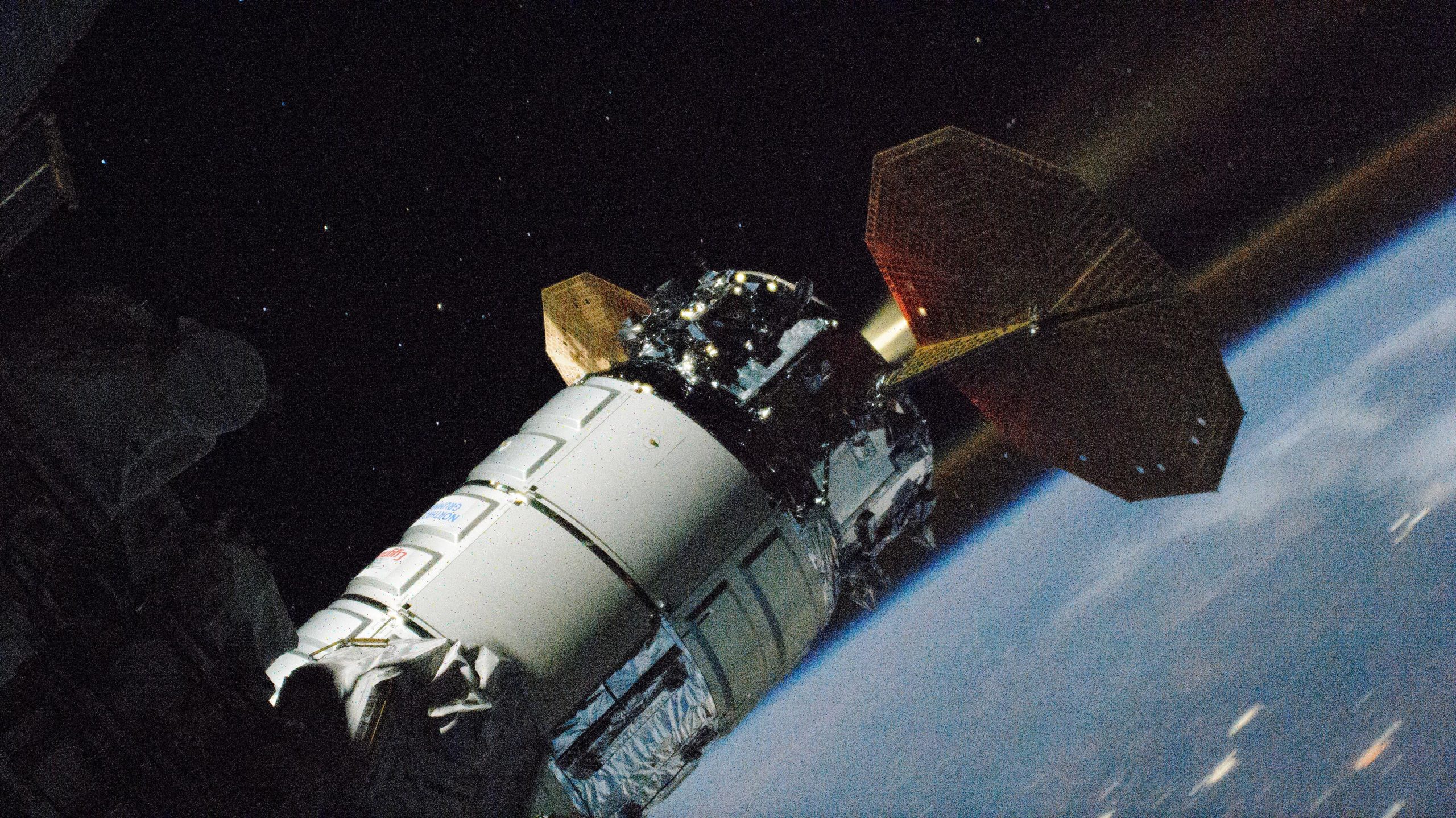
    Cygnus Space Freighter Fires Its Single Engine Boosting the Space Station Orbit
    Northrop Grumman’s Cygnus space freighter, attached to the Unity module, is pictured firing its single engine boosting the International Space Station’s orbital altitude. This long-duration photograph also shows an atmospheric glow hovering above Earth’s horizon. Credit: NASA

    Live Coverage and Crew Activities

    Watch Cygnus’s departure live beginning at 6:30 a.m. Friday on the NASA+ streaming service via the web or the NASA app. Departure coverage also will air live on NASA Television, YouTube, and on the agency’s website. Learn how to stream NASA TV through a variety of platforms including social media.

    NASA Flight Engineers Tracy C. Dyson and Matthew Dominick finished packing Cygnus with trash and obsolete gear on Thursday. Afterward, the duo exited Cygnus, closed the hatch, and prepared the spacecraft for its depressurization and separation early Friday. Cygnus arrived at the orbital outpost on February 1 replenishing the crew with over 8,200 pounds of science experiments and crew supplies.

    China City Lights From Space Station
    City lights illuminate the country of China to the East China Sea in this nighttime photograph from the International Space Station as it orbited 258 miles above the Asian nation. Credit: NASA

    Ongoing Space Biology Research

    Advanced biology research also was underway aboard the orbiting lab on Thursday with a pair of astronauts exploring how living in space affects the human body and mind. NASA Flight Engineer Mike Barratt started his day by drawing his blood samples and stowing them in a science freezer for future analysis. Next, he took a cognition test measuring space-caused changes in brain structure and function. NASA astronaut and Boeing Starliner Pilot Suni Williams extracted DNA to identify microbe samples collected from station water systems. Results from the genetic biotechnology experiment may improve ways to keep crews healthy and spacecraft systems clean on future missions.

    Barratt also assisted Starliner Commander Butch Wilmore from NASA who spent all day servicing a pair of spacesuits in the Quest airlock. The duo cleaned the suits’ cooling loops and checked the communication systems ahead of a spacewalk planned for July 29.
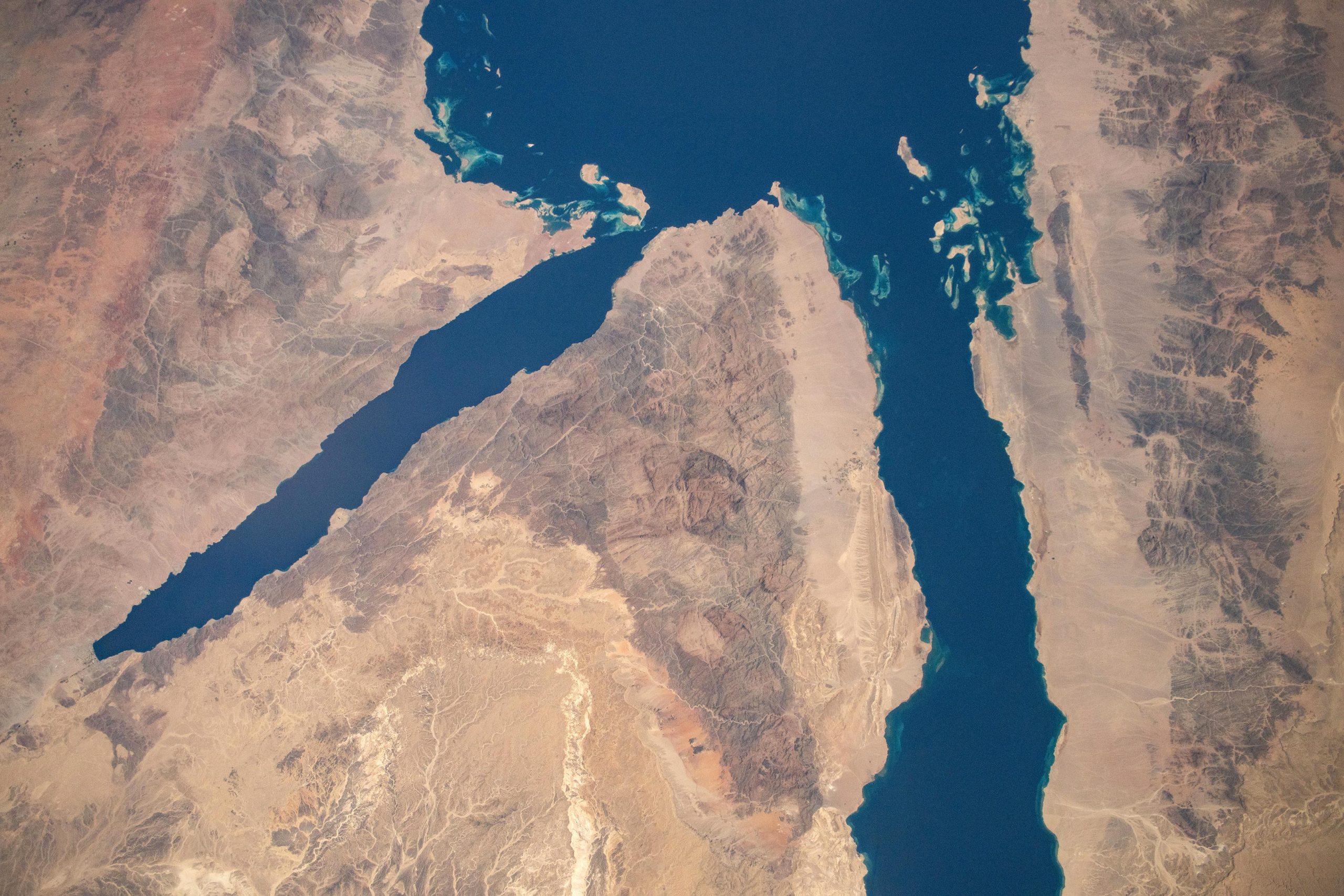
    Gulf of Aqaba and Gulf of Suez From Space Station
    At the northern end of the Red Sea, the Gulf of Aqaba (left) and Gulf of Suez (right) are surrounded by the dry, rugged terrain of Egypt and Saudi Arabia. This photograph was taken as the International Space Station orbited 262 miles above. Credit: NASA

    Engineering and Maintenance Tasks

    NASA Flight Engineer Jeanette Epps worked Thursday morning in the Kibo laboratory module replacing carbon dioxide bottles that supply payload racks inside Kibo. During the afternoon, Epps worked inside the Tranquility module replacing life support components and servicing orbital plumbing gear.

    Working from the Roscosmos segment of the orbital outpost, cosmonaut Nikolai Chub started the morning studying ways future crews might pilot spacecraft and robots on planetary missions. In the afternoon, Chub powered on the Nauka science module’s 3D printer and continued testing its ability to manufacture space hardware on demand. Flight Engineer Alexander Grebenkin worked throughout the day on orbital plumbing while Commander Oleg Kononenko deconfigured scientific gear to access Zvezda service module panels for maintenance and cleaning.

    Never miss a breakthrough: Join the SciTechDaily newsletter.
    Follow us on Google and Google News.

    Astronaut International Space Station NASA
    Share. Facebook Twitter Pinterest LinkedIn Email Reddit

    Related Articles

    NASA’s Crew-9 Returns After 286-Day Mission With a Spectacular Splashdown in the Gulf of America

    NASA’s SpaceX Crew-9 Splashes Down Off Coast of Florida

    SpaceX Dragon Undocks With NASA Crew-9 Members for Return to Earth

    Liftoff! NASA’s SpaceX Crew-10 Blasts Off From Kennedy Space Center [Video]

    Rocket Ready: NASA’s SpaceX Crew-10 Set for Liftoff

    NASA’s SpaceX Crew-10 Was Moments From Liftoff – Then a Last-Minute Malfunction Shut It Down

    NASA’s SpaceX Crew-10: Four Astronauts, a 17,500 MPH Rocket, and 200+ Experiments

    No Treadmill, No Problem – NASA’s Space Workout Experiment Could Change Fitness Forever

    NASA and SpaceX’s Unexpected Spacecraft Swap Sends Crew-10 to Space Sooner

    Leave A Reply Cancel Reply

    • Facebook
    • Twitter
    • Pinterest
    • YouTube

    Don't Miss a Discovery

    Subscribe for the Latest in Science & Tech!

    Trending News

    Popular Sugar-Free Sweetener Linked to Liver Disease, Study Warns

    What Is Hantavirus? The Deadly Disease Raising Alarm Worldwide

    Scientists Just Discovered How the Universe Builds Monster Black Holes

    Scientists Unveil New Treatment Strategy That Could Outsmart Cancer

    A Simple Vitamin May Hold the Key to Treating Rare Genetic Diseases

    Scientists Think the Real Fountain of Youth May Be Hiding in Your Gut

    Ravens Don’t Follow Wolves, They Predict Them

    This Common Knee Surgery May Be Doing More Harm Than Good

    Follow SciTechDaily
    • Facebook
    • Twitter
    • YouTube
    • Pinterest
    • Newsletter
    • RSS
    SciTech News
    • Biology News
    • Chemistry News
    • Earth News
    • Health News
    • Physics News
    • Science News
    • Space News
    • Technology News
    Recent Posts
    • Scientists Revive Ancient Chemistry Trick To Engineer Next-Generation Glass
    • Scientists Use AI To Supercharge Ultrafast Laser Simulations by More Than 250x
    • Scientists Just Found a Surprising Way To Destroy “Forever Chemicals”
    • Popular Supplement Ingredient Linked to Shorter Lifespan in Men
    • Scientists May Have Found a Way To Repair Nerve Damage in Multiple Sclerosis
    Copyright © 1998 - 2026 SciTechDaily. All Rights Reserved.
    • Science News
    • About
    • Contact
    • Editorial Board
    • Privacy Policy
    • Terms of Use

    Type above and press Enter to search. Press Esc to cancel.