
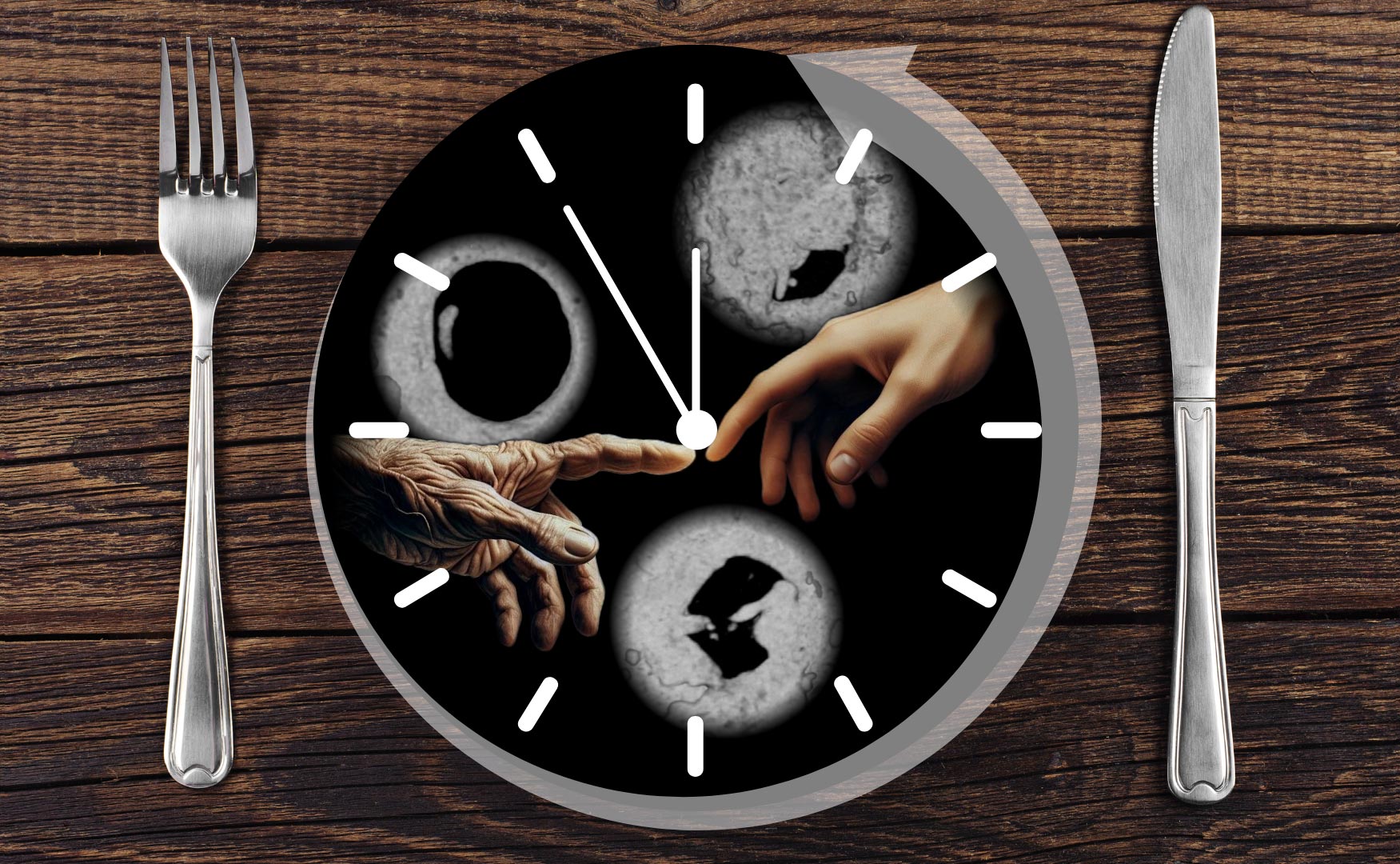
Intermittent fasting combined with localized Wnt3a treatments has been shown to rejuvenate bone repair in older mice, presenting a promising approach to reversing age-related tissue decline.
New research suggests that combining intermittent fasting with a specialized biomedical bandage can restore bone healing in aged mice to levels comparable to those in younger animals.
Published in eLife as a Reviewed Preprint, the study is described by editors as fundamentally significant. They highlight its rigorous analysis and compelling evidence for a potential new therapy to rejuvenate bone healing in older animals, with the possibility of extending this repair to other tissues as well.
As the global population continues to age, the body’s declining ability to regenerate and repair itself presents a growing challenge, underscoring the importance of innovative treatments like this.
“Key to bone repair is a type of cell called osteoprogenitors, which create new bone tissue. As animals age, these cells decline in both number and function, limiting the ability of bones to regenerate,” explains lead author Joshua Reeves, (a former PhD student) in the Department of Biomedical Sciences, University of Lausanne, Switzerland, and the Centre for Gene Therapy and Regenerative Medicine, King’s College London, UK. “The calvarial bone – part of the skull – is especially vulnerable to age-related healing issues. The two main described osteoprogenitor niches are the periosteum, which overlays all flat bones, and the suture mesenchyme, only present in the skull between calvarial bones.”
To gain insight into age-related changes in bone healing, Reeves and colleagues studied how the periosteum and suture mesenchyme change with age in a mouse model.
Age-Related Changes in Bone Structure and Healing
First, they analysed the changes that occur in the calvarial bone of mice during aging, finding a clear decline in both bone structure and healing capacity with age. The team noticed a reduction in blood vessels within periosteal bone-forming tissue, beginning in adulthood.
They also observed changes in aging osteogenic (bone-forming) compartments, including increased actin levels and elongated cell nuclei – both markers of heightened stiffness. Furthermore, aged mice showed a decline in bioenergetic pathways, particularly in mitochondrial function. These alterations led to a reduced number and impaired function of osteoprogenitors, weakening bone health and repair capacity.
The team then tried increasing the number of osteoprogenitor cells in older mice using Wnt3a bandage – a specialised biomedical device that delivers the Wnt3a protein, which is crucial in regulating the behaviour of osteoprogenitors. Whilst this did increase the number of osteoprogenitors, it did not restore healing capacity, suggesting deeper issues within the aged cells themselves.
Intermittent Fasting: A Game-Changing Intervention
Intermittent fasting – a dietary approach that alternates between periods of eating and fasting – has been shown to improve bone mineral density in adult animals. Therefore, the team tried combining Wnt3a bandage treatment with intermittent fasting in aged mice with calvarial bone defects.
Under these conditions, aged mice achieved bone repair levels comparable to their much younger counterparts. Further analysis revealed that intermittent fasting, in particular, rejuvenated osteoprogenitors by boosting mitochondrial activity and reducing age-related cellular stress. These effects could also be mimicked by targeting specific pathways with supplements like nicotinamide mononucleotide, which enhances mitochondrial energy production.
Additionally, shifts in the gut microbiome—particularly increases in a bacterium called Akkermansia muciniphila—played a key role in enhancing tissue health and repair. This suggests that dietary changes could have multiple benefits for bone health. Though it is key to note that improvements in bone repair were achieved without changes to overall calorie intake, and rather through the fasting itself.
The authors emphasize that, whilst their findings hold promise, the work remains at an early stage and is conducting in mice. With further validation in humans, their approach could lead to treatments that help older adults heal faster and maintain stronger bones, as well as improving the repair and function of other aging tissues.
“The impact of short-term protocols like intermittent fasting, boosting cellular energy for brief periods, or improving the gut microbiome through short-term treatment strongly suggests that aged tissues are in a state that can be reversed,” says senior author Shukry Habib, a professor in the Department of Biomedical Sciences, University of Lausanne. “Aging tissues retain the potential for health improvements through targeted interventions. Our data reveals an intriguing avenue of research where metabolic and microbiome interventions can be repurposed to treat tissue damage in aged, repair-deficient individuals.”
Reference: “Rejuvenating aged osteoprogenitors for bone repair” by Joshua Reeves, Pierre Tournier, Pierre Becquart, Robert Carton, Yin Tang, Alessandra Vigilante, Dong Fang and Shukry J Habib, 10 December 2024, eLife.
DOI: 10.7554/eLife.104068.1
Never miss a breakthrough: Join the SciTechDaily newsletter.
Follow us on Google and Google News.