
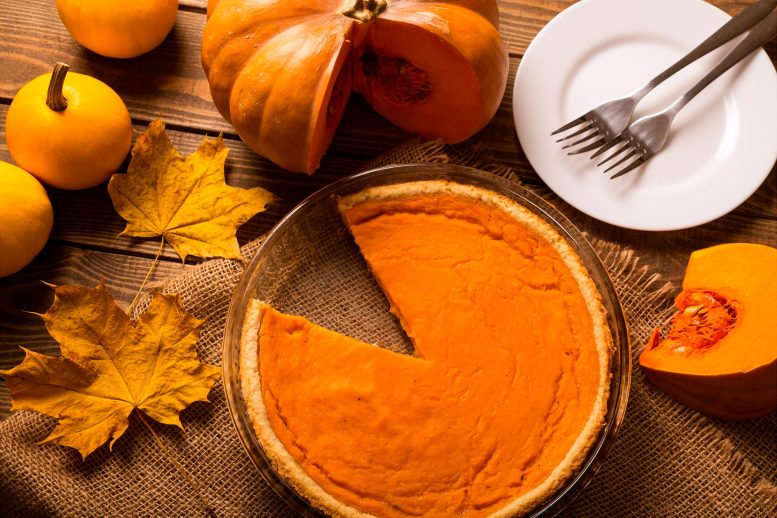
Pumpkins are packed with vital nutrients like vitamin A, offer potent antioxidant properties, and can even support heart health. This fall favorite isn’t just for decoration—it’s a superfood with science-backed benefits.
Ah, pumpkins! Most of us associate them with autumn festivities, spooky carvings, and delightful pies. But behind that bright orange façade lies a treasure trove of nutrients and health benefits. In this article, we’ll delve into the science behind the numerous benefits of this winter squash, supported by recent research.
1. Rich in Vitamins and Minerals
Pumpkins boast a hefty profile of vitamins and minerals. Notably, they’re an excellent source of vitamin A, with one cup of cooked pumpkin containing over 200% of the recommended daily intake.[1] Vitamin A is crucial for eye health, the immune system, and skin vitality.[2]
2. Weight Loss Friendly
Being nearly 94% water, pumpkins are low in calories but rich in dietary fiber.[3] Foods high in fiber may promote feelings of fullness, potentially reducing overall calorie intake.[4]
3. Potent Antioxidant Properties
Pumpkins are teeming with antioxidants such as alpha-carotene, beta-carotene, and beta-cryptoxanthin.[5] Antioxidants help neutralize free radicals, potentially preventing oxidative stress and reducing the risk of chronic diseases.[6]
4. Support for Heart Health
The seeds, often considered a byproduct, are just as beneficial. Pumpkin seeds are a great source of magnesium, essential for various physiological processes, including regulating blood pressure, which can support heart health.[7]
5. Skin Health Booster
Remember the high vitamin A content? It not only supports vision but also promotes healthy skin. Moreover, pumpkins contain lutein and zeaxanthin, antioxidants that can protect the skin from harmful UV rays.[8]
6. May Lower Cancer Risk
Dietary intake of pumpkin has been linked to a reduced risk of certain types of cancer. Its high carotenoid content may be responsible, with studies suggesting a decreased risk of breast, stomach, throat, and pancreas cancers among individuals with a high intake of these compounds.[9]
7. Regulating Blood Sugar Levels
Recent research suggests that pumpkin might play a role in glucose regulation. Compounds in pumpkin could help increase insulin production and improve glucose tolerance, making it a potential ally for those with diabetes.[10]
Conclusion
Pumpkins are much more than a seasonal decoration or pie ingredient. Their rich nutritional profile offers numerous health benefits that science continues to explore. So, the next time you’re scooping out a jack-o’-lantern or baking a pie, remember you’re handling a powerful superfood.
Disclaimer: While pumpkins offer numerous health benefits, always consult with a healthcare professional before making significant changes to your diet or using food as a therapeutic agent.
References:
- USDA Food Database. “Pumpkin, cooked, boiled, drained, without salt.”
- “Vitamin A Deficiency and Clinical Disease: An Historical Overview” by Alfred Sommer, 1 October 2008, The Journal of Nutrition.
DOI: 10.1093/jn/138.10.1835 - “Antioxidant and lipoxygenase inhibitory activities of pumpkin seed extracts” by Marianna N. Xanthopoulou, Tzortzis Nomikos, Elizabeth Fragopoulou and Smaragdi Antonopoulou, 10 February 2009, Food Research International.
DOI: 10.1016/j.foodres.2009.02.003 - “Health benefits of dietary fiber” by James W Anderson, Pat Baird, Richard H Davis, Stefanie Ferreri, Mary Knudtson, Ashraf Koraym, Valerie Waters and Christine L Williams, 1 April 2009, Nutrition Reviews.
DOI: 10.1111/j.1753-4887.2009.00189.x - “Biologic Mechanisms of the Protective Role of Lutein and Zeaxanthin in the Eye” by Norman I. Krinsky, John T. Landrum and Richard A. Bone, 26 February 2023, Annual Review of Nutrition.
DOI: 10.1146/annurev.nutr.23.011702.073307 - “Carotenoid actions and their relation to health and disease” by Norman I. Krinsky and Elizabeth J. Johnson, 23 November 2005, Molecular Aspects of Medicine.
DOI: 10.1016/j.mam.2005.10.001 - “The Importance of Magnesium in Clinical Healthcare” by Gerry K. Schwalfenberg and Stephen J. Genuis, 28 September 2023, Scientifica.
DOI: 10.1155/2017/4179326 - “Lutein and zeaxanthin in eye and skin health” by Richard L. Roberts, Justin Green and Brandon Lewis, 22 January 2009, Clinics in Dermatology.
DOI: 10.1016/j.clindermatol.2008.01.011 - “Fruit and vegetable intake and the risk of cardiovascular disease, total cancer and all-cause mortality—a systematic review and dose-response meta-analysis of prospective studies” by Dagfinn Aune, Edward Giovannucci, Paolo Boffetta, Lars T Fadnes, NaNa Keum, Teresa Norat, Darren C Greenwood, Elio Riboli, Lars J Vatten and Serena Tonstad, 22 February 2017, International Journal of Epidemiology.
DOI: 10.1093/ije/dyw319 - “Effects of pumpkin seed oil and saw palmetto oil in Korean men with symptomatic benign prostatic hyperplasia” by Heeok Hong, Chun-Soo Kim and Sungho Maeng, 31 December 2009, Nutrition Research and Practice.
DOI: 10.4162/nrp.2009.3.4.323
Never miss a breakthrough: Join the SciTechDaily newsletter.
Follow us on Google and Google News.
2 Comments
That was brilliant. It’s sciency, seasonally-relevant, facts cited to real journals, and I even learned a little. I hadn’t considered pumpkin’s carotenoids. A great write-up by the scitechdaily staff.
MOst ‘Pumpkin” pies are not made with pumpkins.