
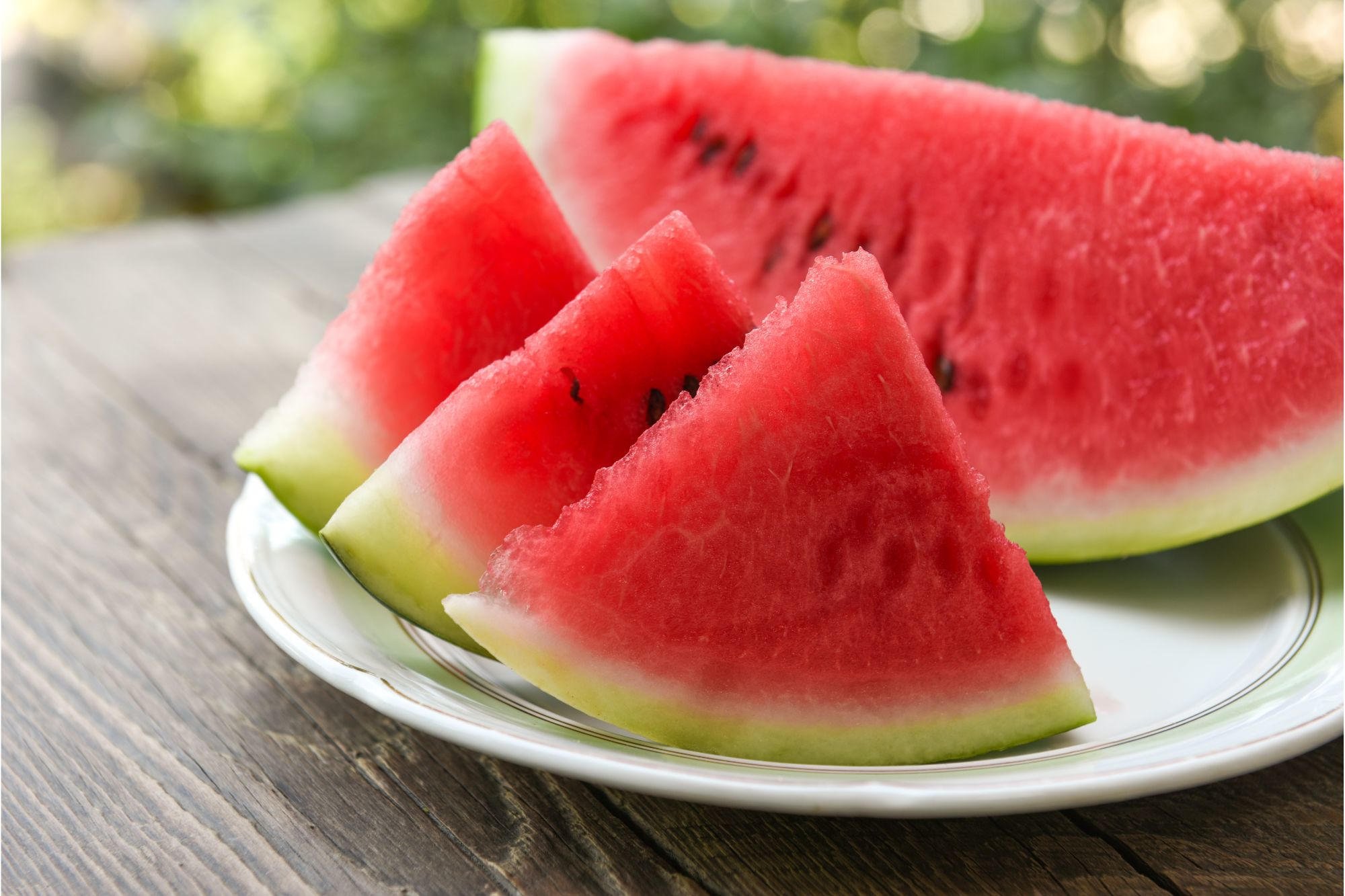
Recent research is turning heads with evidence that watermelon isn’t just a hydrating summer snack — it may actually boost heart health and improve overall nutrition.
One study found that people who eat watermelon consume more vitamins, fiber, and antioxidants, and less sugar and saturated fat. Another clinical trial revealed that compounds in watermelon juice can support blood vessel function during sugar spikes. With nutrients like lycopene, L-citrulline, and vitamin C, this vibrant fruit is proving itself as a year-round ally for cardiovascular health and dietary quality.
Watermelon Packs a Nutritious Punch
Watermelon is widely known for being tasty and refreshing, but recent scientific findings highlight how this fruit may also play a significant role in supporting heart health and improving overall diet quality.
A recent study featured in Nutrients examined data from the National Health and Nutrition Examination Survey (NHANES) and found a clear link between watermelon consumption and better overall nutrition in both children and adults.[1] People who ate watermelon had higher-quality diets than those who did not. Specifically, they consumed more dietary fiber, magnesium, potassium, vitamin C, and vitamin A. They also had greater intakes of lycopene and other beneficial carotenoids, while taking in less added sugar and saturated fat.
Carotenoids are what make many fruits and vegetables so colorful — and so good for you. These powerful plant compounds, including lycopene and beta-carotene, act as antioxidants that help defend your cells, strengthen your immune system, and may even reduce the risk of chronic disease.
Heart Health Benefits Under the Microscope
Building on these findings, a second study, also published in Nutrients, explored how drinking watermelon juice might protect blood vessel function during periods of elevated blood sugar (hyperglycemia).[2] This clinical trial, conducted at Louisiana State University, followed a randomized, double-blind, placebo-controlled crossover design.
For two weeks, participants consumed watermelon juice daily while researchers studied the effects of two naturally occurring watermelon compounds, L-citrulline and L-arginine. These compounds were evaluated for their impact on nitric oxide bioavailability and heart rate variability. Both studies were supported by funding from the National Watermelon Promotion Board.
Nutrients That Support Cardiometabolic Wellness
“We acknowledge that while the sample size was small (18 healthy young men and women) and more research is needed, this study adds to the current body of evidence supporting regular intake of watermelon for cardio-metabolic health. In addition to L-citrulline and L-arginine, watermelon is a rich source of antioxidants, vitamin C, and lycopene – all of which can help reduce oxidative stress and play a role in heart disease prevention,” said Dr. Jack Losso, Ph.D., professor at Louisiana State University’s School of Nutrition and Food Sciences.
Closing the Fruit Gap With Watermelon
The Dietary Guidelines for Americans (DGA) recommend 1.5 to 2.5 cups of fruit daily, and currently, U.S. adults and children fall short of this goal, getting only about half the recommended fruit serving each day. Watermelon is a nutrient-rich fruit and an excellent source of Vitamin C (25% DV), a source of Vitamin B6 (8% DV), and a delicious way to stay hydrated (92% water), with only 80 calories per 2-cup serving.
A Juicy Treat for All Seasons
Thoughts of juicy watermelon at your upcoming BBQ or outdoor get-together likely conjure up memories of enjoying the perfectly ripe fruit in summer’s past. The reality is that watermelon can be enjoyed any time, thanks to the diversity of climates that enable watermelon production year-round. Whether you’re waiting for the first signs of summer to enjoy watermelon – or not – let this new nutrition research nudge you to include watermelon as part of your balanced diet.
References:
“Watermelon Intake Is Associated with Increased Nutrient Intake and Higher Diet Quality in Adults and Children, NHANES 2003–2018” by Kristin Fulgoni and Victor L. Fulgoni III, 18 November 2022, Nutrients.
DOI: 10.3390/nu14224883
“The Effect of Watermelon Juice Supplementation on Heart Rate Variability and Metabolic Response during an Oral Glucose Challenge: A Randomized, Double-Blind, Placebo-Controlled Crossover Trial” by Rachel Matthews, Kate S. Early, Cullen M. Vincellette, Jack Losso, Guillaume Spielmann, Brian A. Irving and Timothy D. Allerton, 4 February 2023, Nutrients.
DOI: 10.3390/nu15040810
A version of this article was originally published in July 2023.
Never miss a breakthrough: Join the SciTechDaily newsletter.
Follow us on Google and Google News.
11 Comments
Just be aware that watermelon is a migraine trigger. I love watermelon but I can’t eat it due to migraines. 🙁
Watermelon 🍉🍋 ia GOD GIVEN PASSPORT TO BETTER HEART AND LIVER- HEALTH.
A 💞💕 PRECIOUS DIAMOND EVER.
BE HEALTHY FIRST BEFORE ANYTHING ELSE .
TQ ALL.
Use YouTube sound healing tapes for the Brain & other parts of the body.
Make sure you have a Brain.
😂 LOL
Lol wut
It’s a good laxative.
It makes me fart.
That is good to know!!! I have trapped gas, and it is horrible!
God Bless you for this information!
That is kind of disturbing😂😂
Gas? Cukes do it too- generic beano fixes it
With the vitamins, electrolytes and l-citrulline, I love eating some watermelon as a pre-workout snack.
Georgia Jubilee watermelons are the best in the world for nutrients if you can find them