
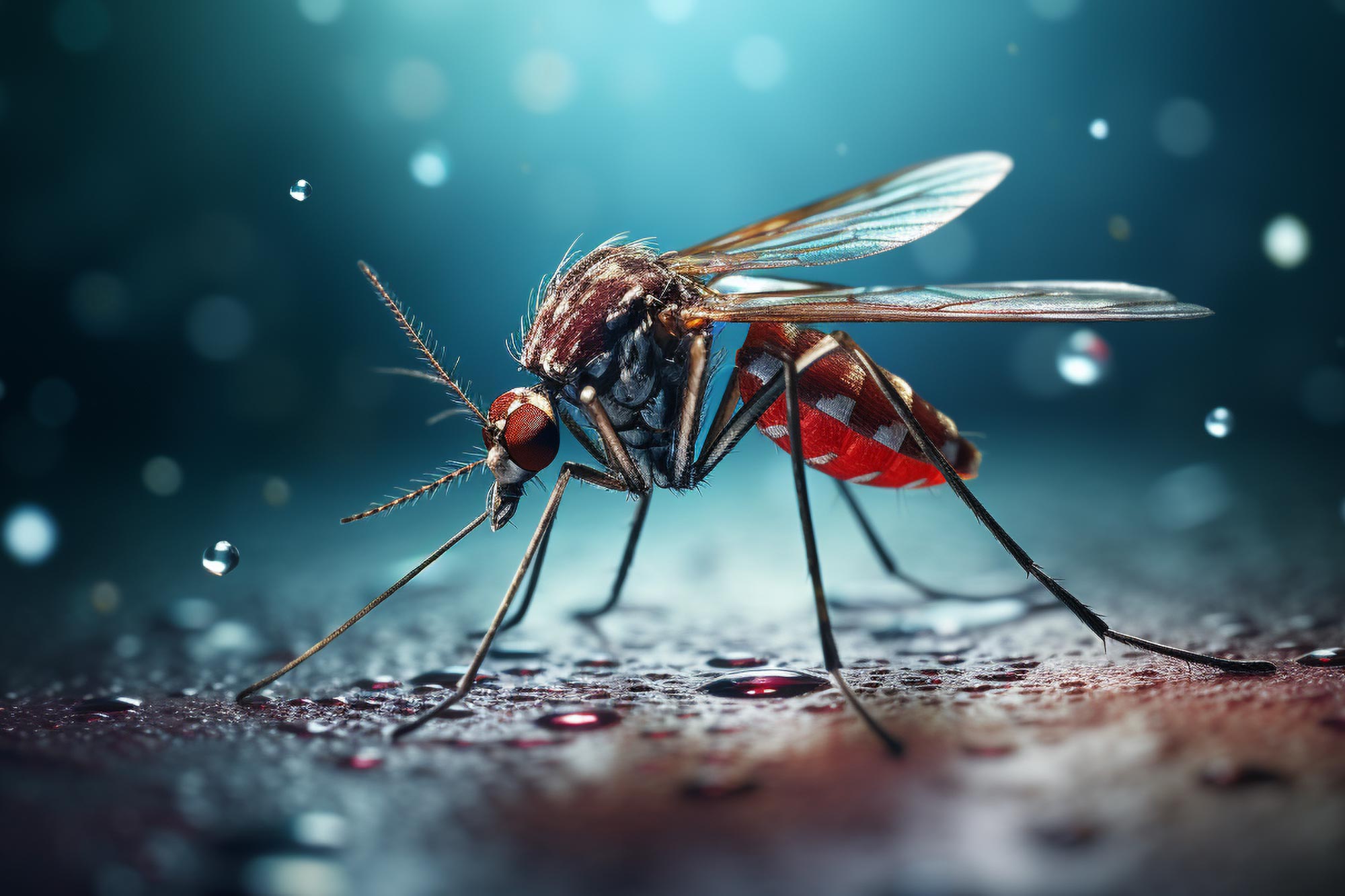
Understanding mosquito genetics for mosquito-borne diseases such as Zika and dengue can lead to better control methods, reducing their spread around the world.
Virginia Tech researchers identified genetic anomalies in mosquitoes that can help create all-male populations to reduce mosquito-borne diseases like Zika and dengue. Their findings highlight the potential of genetic strategies over traditional insecticides, which are declining in effectiveness.
Groundbreaking Genetic Research on Mosquitoes
Scientists at Virginia Tech have discovered a new way to identify genetic targets useful for the control of mosquito populations, potentially offering an alternative to insecticides.
Their study, published today (July 22) in the scientific journal Communications Biology, focused on the genetic basis of species incompatibility. They crossed Ae. aegypti, a major global arboviral disease vector, and its sibling species, Ae. mascarensis, from the Indian Ocean. When offspring is crossed back with one parent, about 10 percent of the progeny becomes intersex and is unable to reproduce.

Unveiling Genetic Incompatibilities and Sex Determination
The researchers identified abnormalities in the sex determination pathways of these intersex mosquitoes. They found that these mosquitoes are genetic males but express both male and female genes, leading to mixed physical traits.
By understanding these genetic factors, they hope to develop strategies to create all-male mosquito populations, which could help control mosquito numbers by eliminating females. This research also could help identify genes affecting female mosquito behavior, aiding in future vector control methods.

Potential for Enhanced Disease Control Through Genetics
These findings are significant for controlling diseases such as Zika and dengue, as better mosquito control can reduce the spread of these diseases.
Though insecticides have been relatively effective at controlling mosquito populations in the past, they are now being reevaluated as they are significantly decreasing in effectiveness and are not ecologically friendly.
Detailed Analysis of Genetic Expressions and Implications
“We studied the hybridization of two mosquito species, found that intersex individuals have disrupted sex determination pathways, and identified sex-specific gene expressions,” said Igor Sharakhov, one of the researchers on the project and professor of entomology and an affiliated faculty with the Fralin Life Sciences Institute. “This study can help identify new sex determination pathway genes that can be used in mosquito control strategies.”
The researchers looked at three areas in their study:
- The morphological and anatomical level with these intersexes, including external and internal organs, especially reproductive organs
- Genes involved in the sex determination pathway, specifically three genes: one master regulator to see whether it’s expressed or not and two other genes that create male-specific and female-specific splicing variants
- Overall gene expression in those mosquitoes to define what is normal and abnormal in terms of global expression of genes associated with sexual differentiation
Insights Into Morphological Abnormalities and Genetic Variants
“What we found is that the morphological abnormalities start in the pupal stage during development, and in adults, the most severe cases have both testes and ovaries in one individual, which is very unusual for these species,” Sharakhov said. “Now we want to understand what causes these abnormalities.”
The researchers found that intersex mosquitoes express both male and female variants of sex determination genes, leading to mixed morphologies. While female-biased genes are expressed normally in intersexes, male-biased genes show decreased expression in certain male reproductive parts, though testes-related genes remain at normal levels.
Implications for Future Mosquito Control Strategies
The study can aid mosquito control by identifying new sex determination pathway genes to create all-male populations, thereby eliminating females and reducing vector numbers. Additionally, the identification of sex-specific genes can help develop genetic constructs to manipulate traits in wild populations.
“Since the intersex is genetically male but expresses female transcripts, it provides a system to identify genes affecting female behavior, which can be useful for future vector control strategies,” said Jiangtao Liang, a postdoctoral associate in entomology. “Intersexes can serve as a valuable model for the discovery of genetic factors involved in sex determination, sexual differentiation, mating, host-seeking, and blood-biting behaviors in mosquitoes. Finding new sex determination pathway genes and their disruptions in mosquitoes will contribute to the effective control of disease vectors through genetic manipulations based on sex separation.”
For diseases such as Zika and dengue, understanding mosquito genetics can lead to better control methods, reducing the spread of disease around the world.
Reference: “Hybridization between Aedes aegypti and Aedes mascarensis mosquitoes leads to disruption of male sex determination” by Jiangtao Liang, Lin Kang, Pawel Michalak and Igor V. Sharakhov, 22 July 2024, Communications Biology.
DOI: 10.1038/s42003-024-06560-4
Never miss a breakthrough: Join the SciTechDaily newsletter.
Follow us on Google and Google News.