
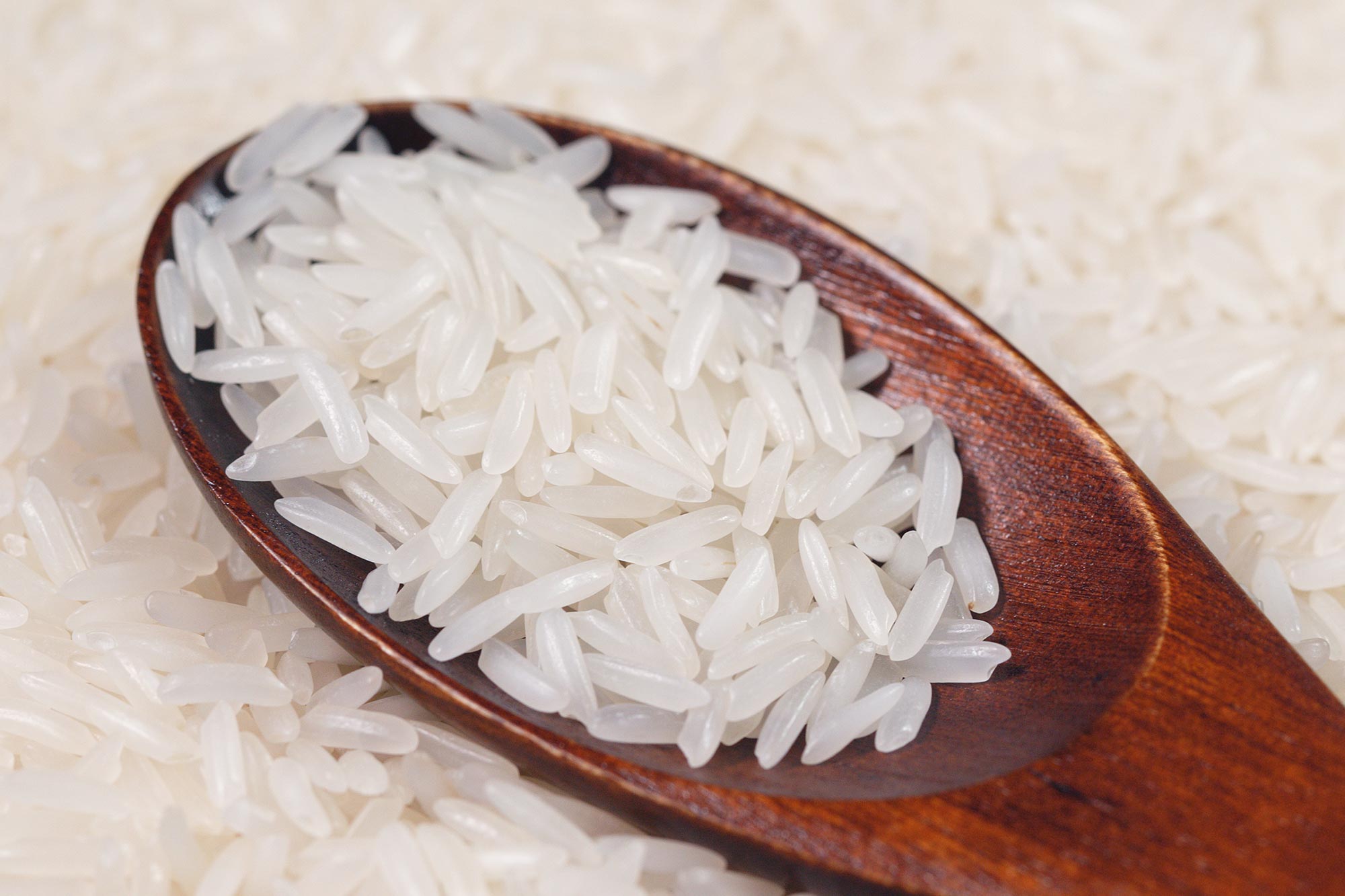
Low GI rice, which helps control blood sugar, could play a key role in addressing Asia’s growing diabetes crisis linked to high white rice consumption.
A recent study by scientists from the International Rice Research Institute (IRRI) and the Max Planck Institute highlights the potential of low glycemic index (Low GI) rice as a tool to address the rising diabetes epidemic, particularly in Asia.
Type 2 diabetes has become a pressing global health issue, affecting over 537 million people in 2021—a figure expected to surpass 780 million by 2045. In Asia, the risk of diabetes is especially pronounced due to high consumption of calorie-dense sugary beverages, ultra-processed foods, and refined carbohydrates, including polished white rice. White rice, a dietary staple in the region, is strongly associated with increased glycemic load and a higher risk of diabetes.
The study, published in Trends in Plant Science by Cell Press, emphasizes the potential of developing Low GI rice varieties. These varieties could offer a balanced approach to addressing the diabetes crisis by combining health benefits with desirable grain quality and sustainable agricultural productivity.
What is Low GI rice?
The prevalence of type 2 diabetes is climbing at alarming rates, particularly in low- and middle-income countries. Asia, home to some of the highest per capita rice consumption levels, bears a disproportionate share of the burden. Studies have linked the high consumption of white rice, which has a high glycemic index, to increased diabetes risk. Hence, there is a need to incorporate the Low GI trait into rice varieties to develop Low GI milled rice as a healthier dietary solution.
The glycemic index measures how quickly a food raises blood sugar levels. Foods with a high GI are digested rapidly, leading to spikes in blood glucose, a factor contributing to the development of diabetes. Low GI rice digests slower, leading to a gradual release of glucose into the bloodstream. This reduces blood sugar spikes and supports better glycemic control, a critical factor in managing and preventing diabetes.
Traditional white rice usually has a high GI (70–94), while Low GI varieties aim for a GI below 55. However, the challenge lies in developing rice that balances Low GI, taste, texture, and yield.
Advances in Low GI rice development
Quite recently, researchers have been breeding rice varieties with a lower glycemic index and high protein content. This effort involves enhancing the rice’s resistant starch and amylose content, slowing glucose release during digestion. Advances in marker-assisted breeding and genome editing technologies have enabled the development of rice strains with reduced GI without compromising yield or sensory attributes.
The potential health benefits of Low GI rice are substantial. By lowering the glycemic response of a diet heavily reliant on rice, these varieties could significantly reduce the risk of diabetes. Countries such as Bangladesh and the Philippines have already begun adopting varieties like BR-16 and IRRI-147 (originally bred for climate resilience and later discovered to have low GI properties), respectively. Furthermore, international initiatives such as the Seeds Without Borders aim to expedite the distribution of these rice varieties across Asia and other countries.
A significant hurdle of this first-generation climate-resilient variety Low GI rice is that it often exhibits a firmer texture. hindering consumer acceptance. To address this, researchers are exploring ways to balance texture and nutritional quality exhibiting low GI properties. Another obstacle is the economic and logistical barriers to widespread adoption, particularly for smallholder farmers.
Despite these challenges, Low GI rice has immense potential to alleviate public health and economic burdens. According to projections, a 25% adoption of Low GI rice could lead to notable reductions in diabetes prevalence in Asia. Moreover, as Africa transitions to rice as a dietary staple, the early introduction of Low GI varieties could preempt a similar diabetes outbreak.
Looking to the future
In addition to direct health benefits, Low GI rice could provide economic opportunities for farmers by tapping into premium markets for health-focused rice products. Collaborations among governments, research institutions, and private sectors will be crucial to scaling up production, distribution, and consumer education.
Low GI rice, with enriched proteins and nutritional density, could become a cornerstone in tackling the double burden of malnutrition and non-communicable diseases. The potential for expanding this concept to other starchy staples, such as wheat and tubers, further underscores its transformative power.
As the diabetes epidemic continues to escalate, the integration of Low GI rice into global food systems represents a transformative approach to improving public health. By prioritizing dietary innovations, Asia and other regions stand to benefit from a healthier and more sustainable future.
Reference: “Low glycemic index rice: a healthier diet for countering diabetes epidemic in Asia” by Rhowell N. Tiozon, Bert Lenaerts, Sakshi Kor, Matty Demont, Alisdair R. Fernie and Nese Sreenivasulu, 29 November 2024, Trends in Plant Science.
DOI: 10.1016/j.tplants.2024.11.003
Never miss a breakthrough: Join the SciTechDaily newsletter.
Follow us on Google and Google News.
21 Comments
we grow organic brown rice. This has the same advantage. Are the rice varieties you discuss going to be sold as white rice, or will it just be milled similar to how we mill our ordinary rice?
I’ve been eating short grain brown rice for decades. It tastes great, sort of nutty. It’s delicious. Isn’t that what the Chinese ate prior to discovering the refining process? Should be fairly easy to get back to whole grain rice. I tasted white rice several years ago, it was tasteless, bland and very unappetizing once one has tried whole grain brown rice.
Brown rice is just as bad in raising blood glucose
Unmilled brown rice still contains inflammatory lectins which many people look to avoid. By cooking and cooling white rice in the refrigerator overnight before reheating the resistant starch is increased by 40%. Decreasing the need to genetically modify or hybridize the rice.
The Asians ate rice for millennia and they were fine because they were physically active the whole day.
Now they still love rice but they only move around in cars. And there’s the problem.
Chemically engineering the rice won’t solve a damn thing.
The Asians also ate brown rice for millennia which has, I believe a lower glycemic index, therefore they were healthier and had less diabetes.
I think that the comment b made here by one person, stating that they are short grain brow
Anyone else notice the connection between the type 2 diabetes epidemic and the global increase in added MSG being foisted (not consumer demand) on us all by the pseudo-food industries? Modifying greedy corporations, not rice (or even meat), is the answer.
Brown rice is good. You cannot change the way food is given, i.e, white rice, and expect a healthy outcome. Stop butchering food.
Forget the rice. Asians have been eating it for centuries without ill effects. The real culprit for the rise in obesity and diabetes is highly processed junk food – a legacy of Western influence on the region. I have lived in Thailand for the last 25 years and hardly ever saw an overweight fat person before the arrival of stores like 7/11 and fast food outlets pedalling burgers and sugar-packed US-style sodas. Now wombles are everywhere and diabetes cases are going through the roof. Sad.
Could also be true for sure.
Rice, even highly refined white rice, isn’t driving the insulin resistance as the root of Type 2 diabetes. It’s fat and the ultra processed foods.) If Asia diabetes rates are rising the fastest, it’s probably because it is a region with some of the lowest rates to start.
You can be skinny and still have diabetes. Like myself almost became.
Yes Michael your observation is correct. It really does matter what you put in your gut. If you dislike hospitals, nurses and doctors, along with they’re pills and chemo, eat Right.
So true. Growing up in a rice-growing country in SA, we ate unhulled rice but we also ate lots of fruit and walked everywhere. Coming to the US, we were fascinated by the availability of ready-made foods, esp sliced white bread! That started a family of 11 on a food trip that produced 5 adult diabetics. Ps: we may have also inherited a tendency for diabetes from our father.
I agree for sure. I would also like to see the new high protein rice implemented. It could really help
I agree for sure. I would also like to see the new high protein rice implemented. It could really help
A GI of 55? Hate to break it to you, but that is _not_ low GI.
Correct
Just don’t eat rice. It’s peasant food meant to feed the masses, not to make them healthy. It gave the Chinese peasants health issues back in the day too. Keeping the bran on in the form of brown rice just slows the blood sugar spike, it doesn’t stop it.
While low g I white rice is great, being somebody who has read the China study and understands that the original Chinese diet included lots of white rice with vegetables and they never had any problem with diabetes. I think it’s really interesting that we’re not fighting the real cause of the diabetes, which is not the rice. It’s the refined sugars and the oils and the animal products that they are now eating. This westernization of their diet is creating ridiculous irony that we are throwing American solutions to instead of just letting them go back to their original diets where they actually were very healthy.
My husband has reversed his diabetes.Type two with a high carb, low fat diet. This is the mcdougal diet or the dean ornish diet or the diet supported by nutrition facts dot org. Guess what he’s allowed to eat? White rice!! In fact, if you want some really cool information, take a look at the white rice diet!