
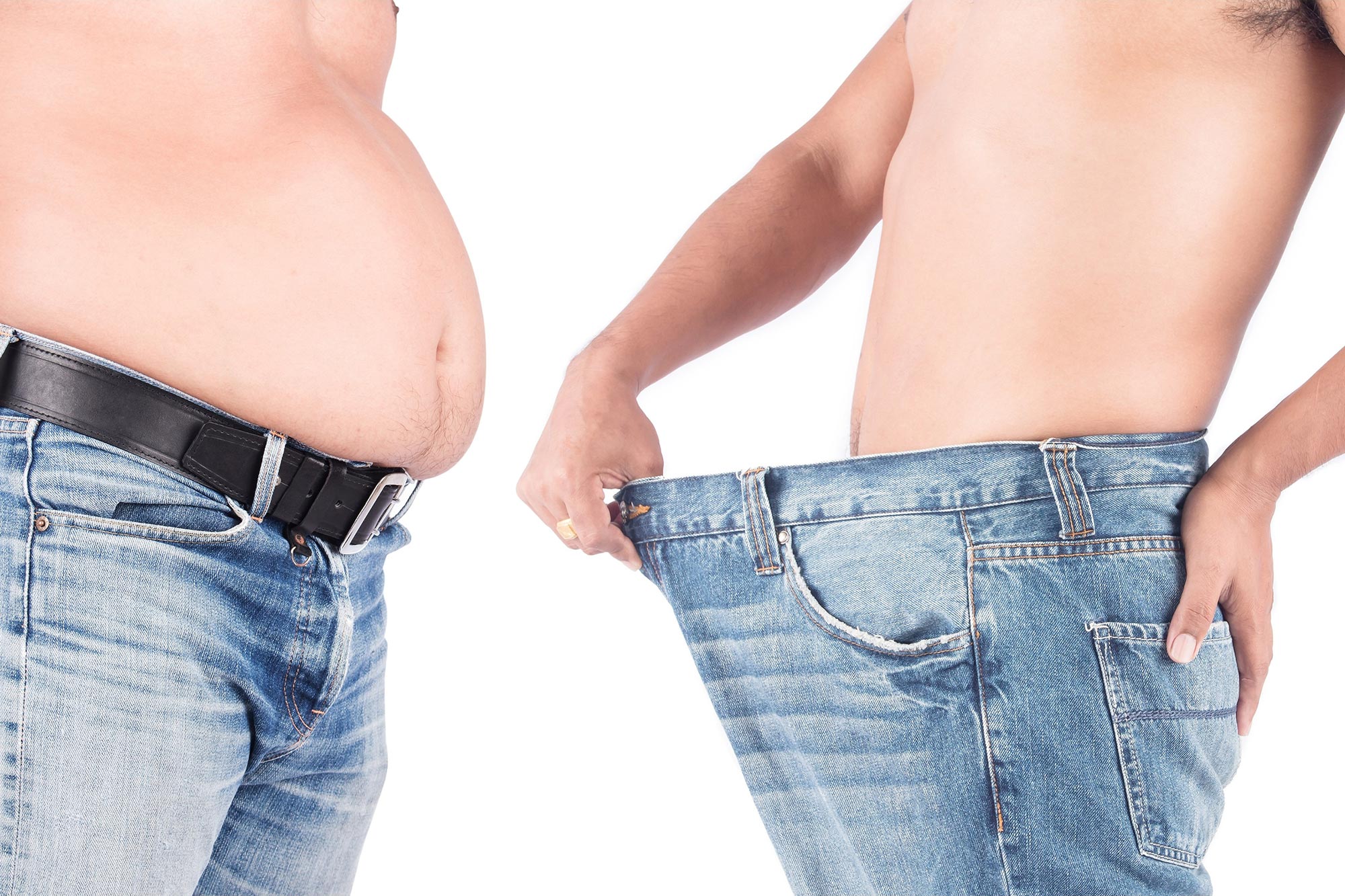
By tweaking just two amino acids in the diet, researchers found a way to mimic the fat-burning effects of cold exposure.
Shivering in the cold is hardly enjoyable, yet for some people, it carries an appealing side effect—the body uses more energy to stay warm than it does in comfortable temperatures. Multiple studies have shown that cold exposure reliably increases energy expenditure in both humans and mice. This natural process of generating heat by burning energy is known as thermogenesis.
Scientists and pharmaceutical companies have long been searching for ways to activate this same mechanism without actually lowering body temperature, essentially “tricking” the body into feeling cold to promote fat burning.
Instead of focusing on temperature, obesity researchers Philip Ruppert and Jan-Wilhelm Kornfeld from the Department of Biochemistry and Molecular Biology (BMB) at the University of Southern Denmark explored a different approach: stimulating thermogenesis through diet.
Amino acids methionine and cysteine
Their work centered on two amino acids, methionine and cysteine.
Through a series of experiments in mice, the team discovered that changing the amount of these amino acids in the animals’ diet produced effects comparable to continuous cold exposure at five degrees Celsius. The mice on a diet low in methionine and cysteine showed nearly the same level of energy burning and weight loss as those kept in the cold.
This research, conducted with BMB colleagues Aylin Güller, Marcus Rosendahl, and Natasa Stanic, was published in the journal eLife. Over a seven-day period, the scientists modified the animals’ diets and found that those fed reduced levels of methionine and cysteine expended more energy than mice on a normal diet.
High levels of amino acids in animal proteins
“The mice that burned the most energy ate the same amount of food as the others, and they didn’t move more or less. We saw a 20% increase in their thermogenesis. They lost more weight, and it was not because they ate less or exercised more—they simply generated more heat,” explains Jan-Wilhelm Kornfeld.
He is a molecular biologist, and Danish Diabetes and Endocrine Academy (DDEA) professor the Novo Nordisk Foundation Center for Adipocyte Signaling at BMB, University of Southern Denmark.
Methionine and cysteine are amino acids that are found at high levels in animal proteins and in low levels in foods like vegetables, nuts, and legumes that promote healthy aging. Thus, vegetarians and vegans, who don’t eat meat, eggs, or dairy products, naturally consume less methionine or cysteine than meat-eaters.
Where fat was burned
“We know from other studies that vegetarians and vegans are, in several respects, healthier than meat-eaters. We haven’t tested a methionine/cysteine-restricted diet in humans, only in mice, so we can’t say for certain that the same effect would occur in people—but it’s absolutely a possibility,” says Philip Ruppert, a molecular biologist and PhD, who was at SDU, when the study was conducted, but now is at Cornell University in New York.
Because the research was performed in mice, the findings should be viewed as an early step toward understanding how diet influences thermogenesis in humans. Animal studies like this allow scientists to explore biological mechanisms that would be difficult or unethical to test directly in people.
While the results suggest that adjusting certain amino acids could potentially help the body burn more energy, further research is needed to confirm whether the same processes occur in humans and to determine how such diets might safely be applied in real-world settings.
The researchers also examined where in the body this increased energy burning took place. It occurred in the so-called beige fat depots, the type of fat stored beneath the skin in both mice and humans. Fat was burned in these depots during both cold-induced and diet-induced thermogenesis.
“This tells us that beige fat doesn’t care whether the burning is triggered by cold or by diet,” says Philip Ruppert.
Maybe basis for new obesity treatments
The research team believes the next interesting step could be to explore whether obesity treatments could be developed to boost energy expenditure without requiring any major effort from the patient.
They are also interested in developing novel functional food products that are low in methionine and cysteine.
“It would also be interesting to study whether Wegovy patients experience additional weight loss if they switch to a diet without the amino acids methionine and cysteine—in other words, a diet free of animal proteins,” says Kornfeld.
Reference: “Dietary sulfur amino acid restriction elicits a cold-like transcriptional response in inguinal but not epididymal white adipose tissue of male mice” by Philip MM Ruppert, Aylin S Güller, Marcus Rosendal, Natasa Stanic and Jan-Wilhelm Kornfeld, 13 October 2025, eLife.
DOI: 10.7554/eLife.108825.1
Never miss a breakthrough: Join the SciTechDaily newsletter.
Follow us on Google and Google News.
9 Comments
Where can I purchase this amazing product for Weight Loss sounds like the miracle I need
You TOTALLY need that miracle ASAP!
Lolz
Dunce, try reading the article.
“Animal studies like this allow scientists to explore biological mechanisms that would be difficult or unethical to test directly in people.” They are unethical because they are cruel and cause suffering. The “scientists” who conduct this type of cruel research are psychopaths or sociopaths. And the results have unknown relevance to humans. See my article, Of Mice and Men: The Problems with Studying Mice to Learn about Men. https://www.academia.edu/127948044/Of_Mice_and_Men_The_Problems_with_Studying_Mice_to_Learn_about_Men
It would be more appropriate if they conducted research on the side effects of methionine and cysteine deficiency before publishing this.
They could make themselves more useful by researching methionine and cysteine inhibitors instead of encouraging vegan/vegetarianism 🙄
Aw. Who hurt you. Cysteine and methionine are in meat and animal products. That’s a scientific fact. That you disagree because it makes you angry is a you-problem.
Unfortunately I am on a plant based diet and I am still fat lol
Congratulations to the authors of the scientific publication referenced in this report for successfully replicating our work on dietary methionine restriction over the last 15 years, and to their credit, they do cite some of our 35+ publications on this subject. https://pubmed.ncbi.nlm.nih.gov/?term=gettys%20tw&sort=pubdate&page=6
Unfortunately, the author of this “report” in the SciTechDaily Newsletter apparently does not know the difference in meaning between the words “discovered” and “replicated”, heaping praises on the authors of the eLife publication for discovering all these wonderful benefits of dietary methionine restriction when what they have actually done is replicated the work of my lab and several other labs working on this subject. This undermines the scientific process by falsely attributing discoveries to those who didn’t actually make them. For those who might be interested, we made a rigorous and honest effort to describe all the scientists who have worked to develop this body of work in our publication, “The history, evolution, and future of dietary methionine restriction”, published in the Annual Review of Nutrition in 2022. https://pubmed.ncbi.nlm.nih.gov/35588443/
The person who put together this “report” in the SciTechDaily Newsletter and his/her editor should consider publishing an apology to all the many authors who have been slighted by the misguided false attribution contained in this “report”.