
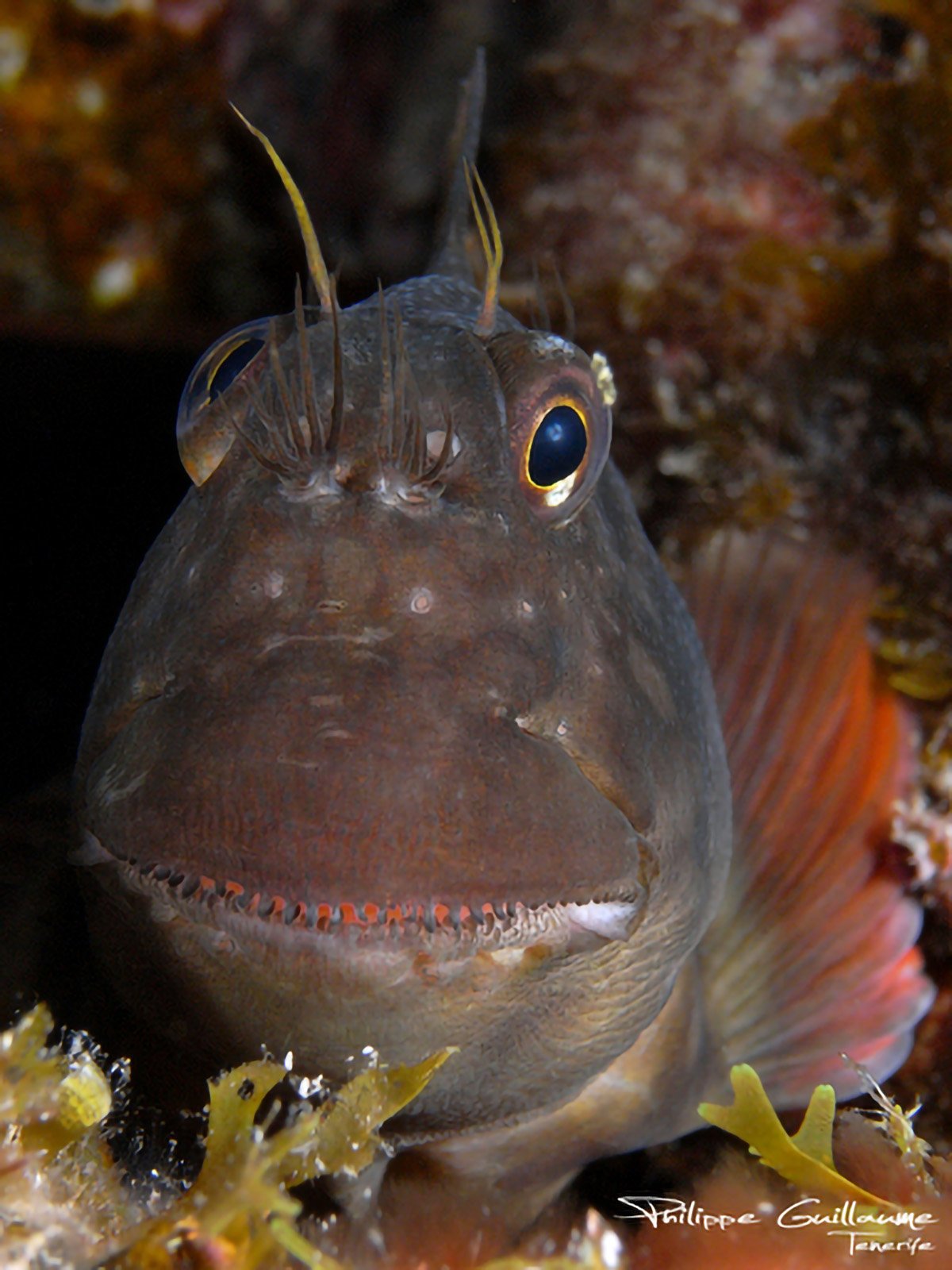
Scientists have used genome reconstruction to identify a previously “invisible” fish parasite, found globally in numerous marine fish species. This parasite, part of the apicomplexans—a critical group of clinical parasites—had been overlooked in earlier research. Its presence is widespread both geographically and across different fish species worldwide, which has significant implications for commercial fishing and marine food chains.
An international team of scientists from the Rosenstiel School of Marine, Atmospheric, and Earth Science at the University of Miami and the Institute of Evolutionary Biology (IBE), a collaborative center of the Spanish National Research Council (CSIC) and Pompeu Fabra University (UPF), has identified a new parasite in the red-lipped blenny, a tropical reef fish. This research has also uncovered the global distribution of this parasite in fish populations worldwide.
Published recently in the journal Current Biology, the research used an innovative method to reconstruct part of the parasite’s genome from sequencing data obtained from its host, and be able to detect its presence in other fish using genetic “barcodes” (DNA barcoding).
An “invisible” parasite has been unveiled
Despite its presence in fish worldwide, the parasite had not been properly characterized until now. The genomic data of the study reveals that this parasite belongs to a group of organisms previously uncharacterized and have been named ichthyocolids, from the Latin “fish dweller.”
“Although it had been previously identified by microscopy, we had not been able to separate the genomic signal from the host fish and the parasite until now. For the first time, we have been able to identify them through their DNA, and place them within the well-known group of apicomplexan parasites,” said Javier del Campo, lead of the study and principal investigator at IBE in the Microbial Ecology and Evolution group and at the Rosenstiel School in Miami.
The parasite is present in fish around the world
Beyond allowing the description of an entirely new group of apicomplexans, the genome reconstruction has allowed researchers to identify a series of genes that can be used to detect the presence of this organism in other genomic or microbiome samples as if it was a “barcode.”
“Once we found ichthyocolids in the red-lipped blenny, a tropical fish, we wondered if it would also be part of the microbiota of other fish,” says Anthony Bonacolta, a PhD candidate in marine biology and ecology at the Rosenstiel School and first author of the study.
The team compared the DNA of these apicomplexans with public databases of the microbiomes of hundreds of species of freshwater and marine fish. The results showed that these parasites appear associated with the majority of marine fish species analyzed and are present in all oceans. It would therefore be one of the most widespread parasites among marine fish, with potential implications for commercial fishing and oceanic food webs.
“Future studies could help us better understand the impact of parasites as prevalent as ichthyocolids in marine ecosystems,” del Campo says.
A new member of apicomplexan parasites
The Ichthyocolids belong to Apicomplexa, a large group of parasites including the ones that cause malaria and toxoplasmosis. However, these parasites do not pose a direct risk to human health, but are important to study for the health of the oceanic ecosystems and for more context on the evolution of those human parasites.
The discovery of the ichthyocolids adds more context to this evolution. For the first time, they are placed as a sister group to well-known coral inhabitants, the corallicolids, also recently described as apicomplexans.
“Studying ichthyocolids not only reveals more about the evolution of major parasites, but also the other basic traits of apicomplexans which may be important in a clinical sense. They may use similar infection mechanisms (as they are also a blood parasite) or have other similar biology which can enlighten our understanding of other apicomplexans,” said Bonacolta.
Reference: “A new and widespread group of fish apicomplexan parasites” by Anthony M. Bonacolta, Joana Krause-Massaguer, Nico J. Smit, Paul C. Sikkel and Javier del Campo, 30 May 2024, Current Biology.
DOI: 10.1016/j.cub.2024.04.084
Never miss a breakthrough: Join the SciTechDaily newsletter.
Follow us on Google and Google News.