
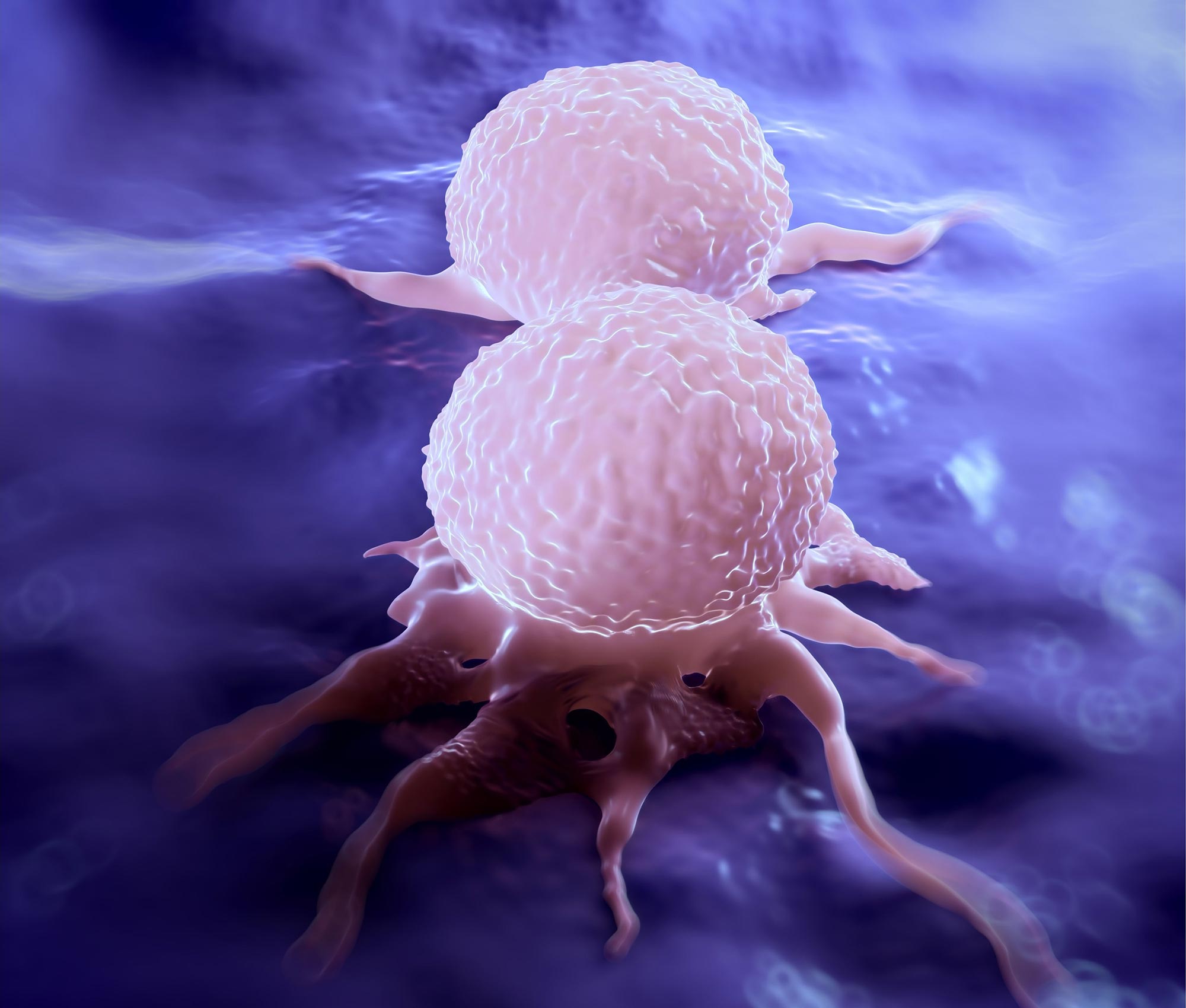
New reserach has identified particular genetic mutations that elevate the risk of breast and ovarian cancers, aiding in clinical decision-making.
Scientists have identified thousands of genetic variations in a specific gene that could raise the risk of breast and ovarian cancer, opening the door to improved risk assessment and more personalized treatment.
Researchers from the Wellcome Sanger Institute and their collaborators focused on the ‘cancer protection’ gene RAD51C, finding over 3,000 harmful genetic changes that could potentially disrupt its function and increase ovarian cancer risk six-fold and risk of aggressive subtypes of breast cancer four-fold. These findings were confirmed by analyzing data from large-scale health databases.
The findings, published today (18 September) in Cell, are freely available so that they can be immediately used to help doctors and diagnostic laboratory scientists better assess cancer risk, especially for individuals with a family history of these cancers, reducing the uncertainty that often accompanies genetic testing.
The study also identified regions of the protein essential for its function, pointing to new roles in cancer development and potential therapeutic targets.
Breast cancer is the most common cancer in the UK, with around 56,800 new cases every year. One in seven UK females will be diagnosed with breast cancer in their lifetime. Ovarian cancer is the sixth most common cancer in females in the UK, with around 7,500 new cases every year.
The Role of RAD51C in Cancer Development
The RAD51C gene encodes a protein crucial for DNA repair. Variants in this gene that stop the protein from working are known to increase the risk of breast and ovarian cancers and rarely, if there are two harmful gene changes present, may result in Fanconi Anaemia, a severe genetic disorder. Women with a faulty RAD51C gene face a 15 to 30 percent lifetime risk of developing breast cancer and a 10 to 15 percent risk of developing ovarian cancer.
While genetic testing is common for individuals with a strong family history of cancer, the health impacts of most RAD51C variants were previously unknown. This uncertainty over cancer risk often leaves patients and doctors struggling to determine appropriate medical care moving forward.
In this new study, researchers from the Wellcome Sanger Institute and their collaborators set out to understand the effect of 9,188 unique changes in the RAD51C gene by artificially altering the genetic code of human cells grown in a dish, in a process known as ‘saturation genome editing’. They identified 3,094 of these variants that may disrupt the gene’s function and increase cancer risk, with an accuracy above 99.9 percent when compared to clinical data. Analysis of UK Biobank data and an ovarian cancer cohort of over 8,000 individuals further confirmed the link between these harmful RAD51C variants and cancer diagnoses.
Implications for Drug Development and Risk Prediction
By mapping the protein structure, the team also identified crucial surface areas of RAD51C essential for its DNA repair function. These regions may interact with other, yet-to-be-identified proteins or play a role in processes such as phosphorylation, offering valuable insights for drug development and potential new treatment targets.
The study also revealed the existence of ‘hypomorphic alleles’ – a type of variant that reduces the RAD51C gene’s function without completely disabling it. These appear to be more common than previously thought and may significantly contribute to breast and ovarian cancer risk.
Rebeca Olvera-León, first author of the study at the Wellcome Sanger Institute, said: “This research demonstrates that genetic risk for breast and ovarian cancer isn’t a simple yes-or-no scenario, but exists on a spectrum based on how genetic changes affect protein function. With a more comprehensive understanding of how RAD51C genetic variants contribute to cancer risk, this opens up new possibilities for more accurate risk prediction, prevention strategies, and potentially targeted therapies.”
Dr. Andrew Waters, co-senior author of the study at the Wellcome Sanger Institute, said: “This work demonstrates the power of analyzing genetic variants on a large scale within their genomic context. Not only can we understand how cancer-related DNA changes affect patients, helping with clinical decisions, but we can also explore how these variants impact the gene’s function at a detailed molecular level. This provides important insights into how proteins work and how genes evolve over time.”
Dr David Adams, co-senior author of the study at the Wellcome Sanger Institute, said: “The strong connection between harmful variants and cancer in large studies suggests that this approach to variant classification could be a valuable tool in personalized medicine and cancer prevention. We aim to extend this technique to many other genes, with the goal of covering the entire human genome in the next decade through the Atlas of Variant Effects.”
Professor Clare Turnbull, clinical lead of the study, Professor of Translational Cancer Genetics at The Institute of Cancer Research, London, and Consultant in Clinical Cancer Genetics at The Royal Marsden NHS Foundation, said: “These new data will be highly useful for diagnostic laboratories to better understand the RAD51C gene changes that we identify on clinical genetic testing in cancer patients and their family members. The assay data will help us to conclude which gene changes are harmful and which are innocent. This aids our decision-making regarding which patients might benefit from the offer of extra breast cancer screening and preventive surgery of the ovaries.”
Reference: “High-resolution functional mapping of RAD51C by saturation genome editing” by Rebeca Olvera-León, Fang Zhang, Victoria Offord, Yajie Zhao, Hong Kee Tan, Prashant Gupta, Tuya Pal, Carla Daniela Robles-Espinoza, Fernanda G. Arriaga-González, Larissa Satiko Alcantara Sekimoto Matsuyama, Erwan Delage, Ed Dicks, Suzana Ezquina, Charlie F. Rowlands, Clare Turnbull, Paul Pharoah, John R.B. Perry, Maria Jasin, Andrew J. Waters and David J. Adams, 18 September 2024, Cell.
DOI: 10.1016/j.cell.2024.08.039
The study was funded by the Wellcome Trust and Cancer Research UK.
Never miss a breakthrough: Join the SciTechDaily newsletter.
Follow us on Google and Google News.
1 Comment
I am a medical anthropologist breast cancer researcher and author. Whether or not you have a genetic propensity towards breast cancer, there is something you can do to protect yourself and reduce your chances of getting cancer, and to improve your breast health overall. It has to do with the wearing of tight bras for long periods of time daily. Bras are tight by design to alter breast shape, and this interferes with the circulation within the breasts, especially of the lymphatic system, which is easily compressed and constricted. The lymphatic system consists of tiny capillaries which drain fluid and toxins from the breasts, and is essential for immune function. When the lymphatics are impaired by tight bras, it causes fluid to back-up in the breasts, causing pain and eventually leading to cysts. Over time, the breasts become progressively toxified and immune function is impaired, leading to cancer. While my team performed the world’s first study directly looking into the bra-cancer link, described in detail in the book, Dressed to Kill: The Link Between Breast Cancer and Bras. Many studies around the world now confirm this.
Essentially, bra-free women have about the same risk of breast cancer as men, while the tighter and longer the bra is worn daily, the higher the risk rises, to over 100 times higher for a 24/7 bra user compared to a bra-free woman.
Try going bra-free for one month and you will feel the difference in breast health for yourself. For more, see my article, How Bras Cause Lymph Stasis and Breast Cancer. https://www.academia.edu/36287546/HOW_BRAS_CAUSE_LYMPH_STASIS_AND_BREAST_CANCER