
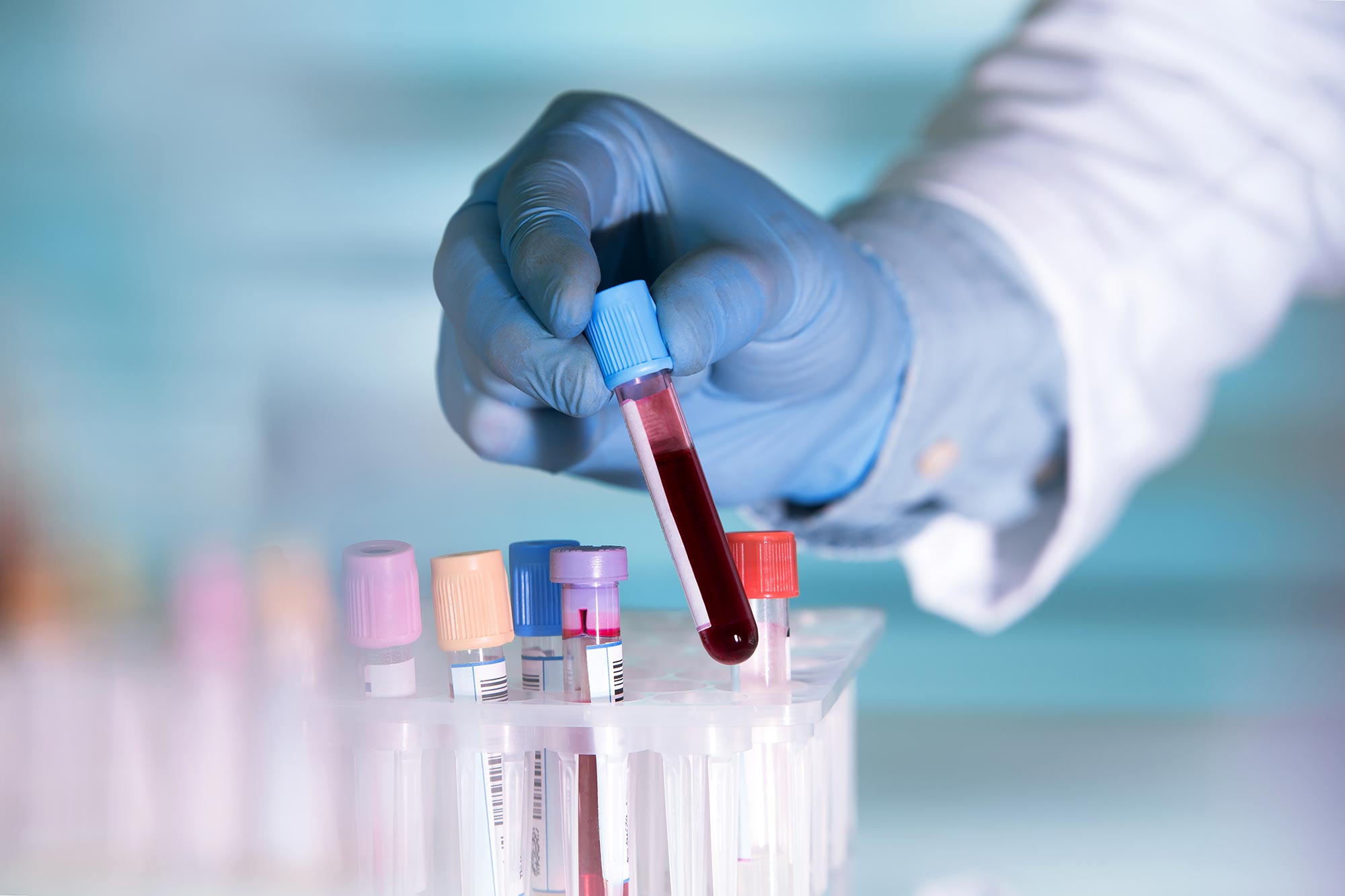
Scientists at Chalmers University of Technology in Sweden have identified biological markers that appear at the very beginning of Parkinson’s disease, before extensive damage occurs in the brain. These early changes leave measurable traces in the blood, but only during a limited timeframe. The findings reveal a brief but important opportunity for both early diagnosis and future treatment. Researchers believe blood tests based on this discovery could begin to be evaluated in healthcare settings within five years.
Parkinson’s Disease Cases Expected to Surge
Parkinson’s disease affects more than 10 million people worldwide and is considered an endemic condition. As global life expectancy rises, that number is projected to more than double by 2050. Despite its growing prevalence, there is currently no cure and no established screening test that can reliably detect Parkinson’s before significant brain damage has already occurred.
New Study Marks Progress Toward Early Diagnosis
The new research, published in npj Parkinson’s Disease, was conducted by scientists from Chalmers University of Technology and Oslo University Hospital in Norway. The study represents a significant step toward diagnosing Parkinson’s during its earliest phase.
“By the time the motor symptoms of Parkinson’s disease appear, 50-80 percent of the relevant brain cells are often already damaged or gone. The study is an important step towards facilitating early identification of the disease and counteracting its progression before it has gone this far,” says Danish Anwer, a doctoral student at the Department of Life Sciences at Chalmers and the study’s first author.

A Long Early Phase Before Symptoms Appear
Parkinson’s disease develops gradually. The earliest phase can last up to 20 years before clear motor symptoms emerge.
In this study, researchers examined two biological systems believed to be active during this early stage. One is DNA damage repair, which allows cells to identify and correct damage to their genetic material. The other is the cellular stress response, a protective reaction triggered by threats that shifts the cell’s focus toward repair and survival by pausing normal activity.
Machine Learning Identifies Distinct Gene Activity Pattern
Using machine learning and additional analytical tools, the team identified a unique pattern of gene activity connected to DNA repair and stress response. This pattern appeared in individuals in the early stage of Parkinson’s disease but was not present in healthy participants or in patients who had already developed motor symptoms.
“This means that we have found an important window of opportunity in which the disease can be detected before motor symptoms caused by nerve damage in the brain appear. The fact that these patterns only show at an early stage and are no longer activated when the disease has progressed further also makes it interesting to focus on the mechanisms to find future treatments,” says Annikka Polster, Assistant Professor at the Department of Life Sciences at Chalmers, who led the study.
Blood Testing Could Enable Early Screening
Researchers worldwide have been investigating other potential early indicators of Parkinson’s disease, including markers identified through brain imaging and analyses of brain fluid. However, no validated screening method suitable for widespread use before symptoms begin has yet been established.
“In our study, we highlighted biomarkers that likely reflect some of the early biology of the disease and showed they can be measured in blood. This paves the way for broad screening tests via blood samples: a cost-effective, easily accessible method,” says Polster.
Blood Tests Could Reach Healthcare Within Five Years
The next step for the team is to better understand how these early biological mechanisms operate and to refine tools that make them easier to detect.
Within five years, the researchers believe blood tests for early diagnosis of Parkinson’s disease could begin to be tested in healthcare settings. Over the longer term, the findings may also support the development of treatments aimed at preventing or slowing the disease.
“If we can study the mechanisms as they happen, it could provide important keys to understanding how they can be stopped and which drugs might be effective. This may involve new drugs, but also drug repurposing, where we can use drugs developed for diseases other than Parkinson’s because the same gene activities or mechanisms are active,” says Polster.
About Parkinson’s Disease
Parkinson’s disease is a neurological disorder that disrupts the brain’s ability to control movement. It develops slowly and most often begins after age 55-60. Parkinson’s disease is the second most common neurodegenerative disease worldwide, after Alzheimer’s. More than 10 million people have been diagnosed globally, and that number is expected to more than double by 2050.
Sources: The Swedish Parkinson’s Association, The BMJ, global projection study, 2024
Parkinson’s Disease Symptoms and Progression
Early symptoms
- REM sleep behavior disorder: The person acts out dreams during REM sleep, often with movements or sounds.
- Reduced sense of smell
- Constipation
- Depression
- Anxiety
Motor symptoms, later in the progression of the disease
- Slow movements
- Rigidity and instability
- Tremors
- Involuntary muscle contractions
Reference: “Longitudinal assessment of DNA repair signature trajectory in prodromal versus established Parkinson’s disease” by Danish Anwer, Nicola Pietro Montaldo, Elva Maria Novoa-del-Toro, Diana Domanska, Hilde Loge Nilsen and Annikka Polster, 5 December 2025, npj Parkinson’s Disease.
DOI: 10.1038/s41531-025-01194-7
The study Longitudinal assessment of DNA repair signature trajectory in prodromal versus established Parkinson’s disease has been published in npj Parkinson’s Disease. The authors are Danish Anwer, Nicola Pietro Montaldo, Elva Maria Novoa-del-Toro, Diana Domanska, Hilde Loge Nilsen and Annikka Polster. The researchers work at Chalmers University of Technology, Sweden, and Oslo University Hospital, Norway.
The research has been funded by Chalmers Health Engineering Area of Advance, Sweden, the Michael J Fox Foundation, the Research Council of Norway, NAISS (National Academic Infrastructure for Supercomputing in Sweden), and the Swedish Research Council.
Never miss a breakthrough: Join the SciTechDaily newsletter.
Follow us on Google and Google News.
1 Comment
It is excellent news. If, at the same time, scientists find effective treatments for this horrible disease, it will be fantastic.