
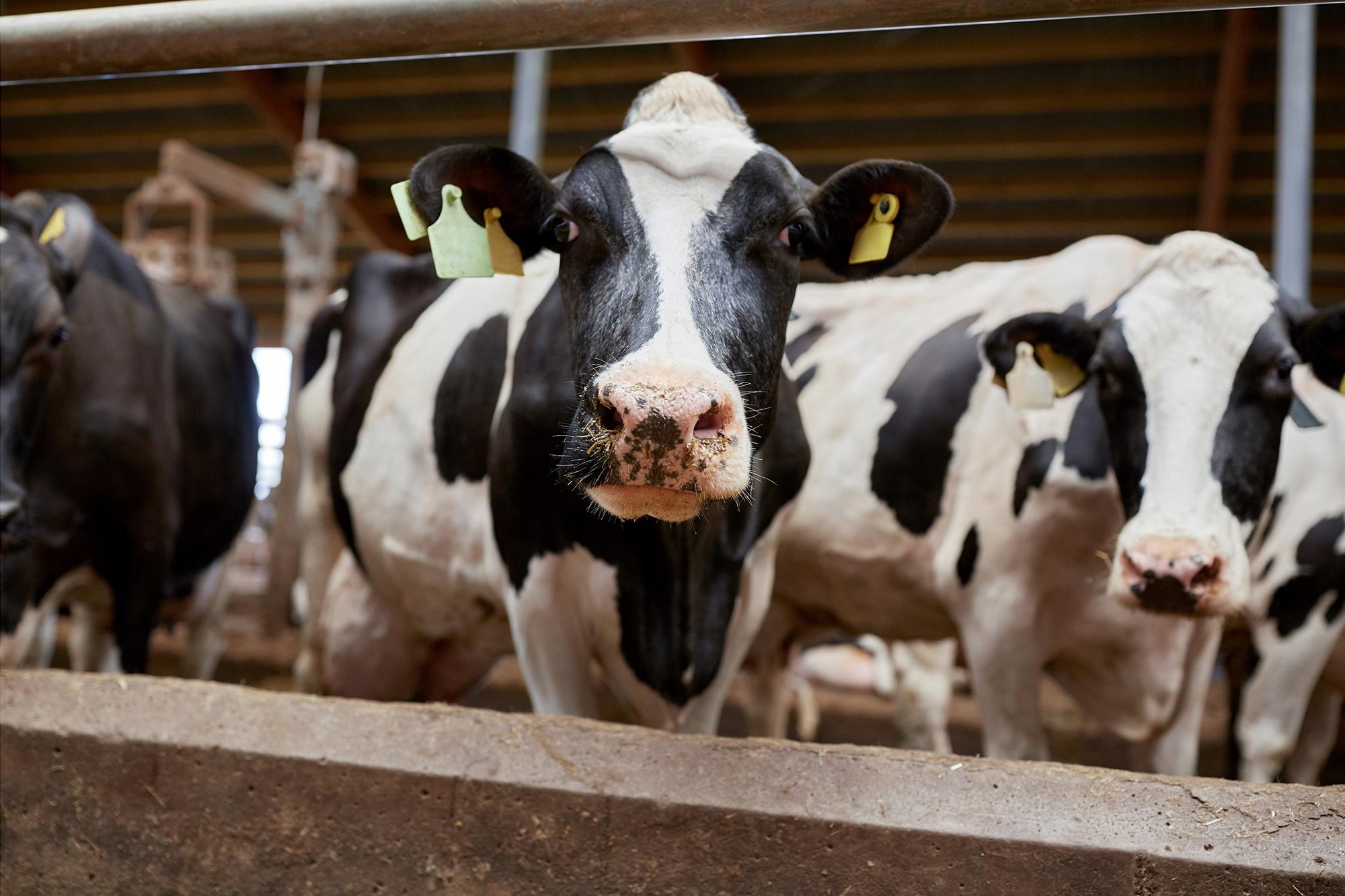
H5N1 bird flu has now crossed into U.S. dairy cattle for the first time, and alarmingly, it did so through just one spillover from a wild bird.
This single event, traced back to Texas in mid-to-late 2023, led to months of undetected cow-to-cow spread across multiple states. Genetic data show that the virus is adapting to mammals, jumping not only between cattle but also into cats, raccoons, and birds. These developments significantly heighten pandemic concerns, with scientists calling for urgent, coordinated public health responses.
H5N1 Jumps to Dairy Cattle: A Concerning Shift
Researchers have traced the spread of highly pathogenic avian influenza (HPAI) in U.S. dairy cattle to a single spillover event from a wild bird. This finding has raised alarms about the virus’s growing pandemic potential as it continues to evolve and move between species.
HPAI viruses are known to pose serious risks to animal health, agriculture, and potentially human health, due to their ability to cross species barriers. One particular strain, H5N1 clade 2.3.4.4b, has already spread globally, infecting wild birds, poultry, and various mammals — including a small number of humans — highlighting its potential to cause a future pandemic.
Tracking the 2024 Dairy Outbreak
In 2024, this H5N1 strain was detected in dairy cattle across several U.S. states — an unexpected and worrisome shift into a host species not commonly associated with the virus. To understand how this happened, Thao-Quyen Nguyen and colleagues studied how the strain evolved and spread after it arrived in North America in late 2021.
The team analyzed genetic data from more than 100 virus samples that had mixed with local, less dangerous bird flu strains. They also included newly sequenced genomes from infected cattle and outbreak reports. Their analysis points to a single bird-to-cow transmission event in Texas during mid-to-late 2023, which went undetected for several months as the virus spread silently from cow to cow.
Cow-to-Cow Transmission Speeds the Spread
Once inside the cattle population, the virus spread quickly. Movement of infected or presymptomatic cows helped carry the virus from Texas to several other states, including North Carolina, Idaho, Michigan, Ohio, Kansas, and South Dakota.
The virus didn’t stop at cattle — it continued to infect other species, including poultry, raccoons, domestic cats, and wild birds such as grackles, blackbirds, and pigeons.
Mammalian Mutations Deepen the Risk
Genetic analysis revealed that the virus has developed mutations associated with adaptation to mammals. Alarmingly, some of these mutations are now firmly established in the viral population.
“Our study demonstrates that [influenza A virus] is a transboundary pathogen that requires coordination across regulatory agencies and between animal and public health organizations to improve the health of hosts and reduce pandemic risk,” Nguyen et al. write.
Reference: “Emergence and interstate spread of highly pathogenic avian influenza A(H5N1) in dairy cattle in the United States” by Thao-Quyen Nguyen, Carl R. Hutter, Alexey Markin, Megan Thomas, Kristina Lantz, Mary Lea Killian, Garrett M. Janzen, Sriram Vijendran, Sanket Wagle, Blake Inderski, Drew R. Magstadt, Ganwu Li, Diego G. Diel, Elisha Anna Frye, Kiril M. Dimitrov, Amy K. Swinford, Alexis C. Thompson, Kevin R. Snekvik, David L. Suarez, Steven M. Lakin, Stacey Schwabenlander, Sara C. Ahola, Kammy R. Johnson, Amy L. Baker, Suelee Robbe-Austerman, Mia Kim Torchetti and Tavis K. Anderson, 25 April 2025, Science.
DOI: 10.1126/science.adq0900
Never miss a breakthrough: Join the SciTechDaily newsletter.
Follow us on Google and Google News.
13 Comments
BS. oh well. smh. viruses come and go and have… and have, and have.
maybe people need to keep their fingers out of them.
leave nature to her due course.
unless of course someone has already messed with it? smh
Lol ok, Pamela
No more rare -medium steak. 165° is going to give you shoe leather meat and hard eggs. If it’s not overcooked it’s not safe. Oh and for the pasteurization… The temp isn’t high enough to kill the virus. It’s 145-161° or you could just realize that you’ve probably already had it. That flu you had that wasn’t COVID but still really bad? Bird flu.
Covid=psyop to trick shtupit people into tyranny
if being deep stupid was a race you just won son
Another brilliant non-med school opinion to flush down the toilet, well done you
Pamela will be the patient in the ER saying no one told me
It’s going to be a long 4 years for some people.
I am very concerned that a recombinant bird flu acquiring he ACE 2 gene by co-infection with COVID-19 in an immunocomprimized human
In South Africa an AIDS patient was infected with 4 COVID 19 strains and generated a 5 th strain by swapping genes
Hahahahaha
I am very concerned that a recombinant bird flu acquiring he ACE 2 gene by co-infection with COVID-19 in an immunocomprimized human and could be
worse than COVID-19
For example:
In South Africa an AIDS patient was infected with 4 COVID 19 strains and generated a 5 th strain by swapping genes
Dose this mean that all who have eaten beef from cow and milk you have been exposed already.
Pasteurized milk and properly cooked meat should not be a problem.