
Close Menu
    Facebook X (Twitter) Instagram
    SciTechDaily
    • Biology
    • Chemistry
    • Earth
    • Health
    • Physics
    • Science
    • Space
    • Technology
    Facebook X (Twitter) Pinterest YouTube RSS
    SciTechDaily
    Home»Biology»Scientists Stunned As Rare Killifish Thought Extinct Is Found Alive in Bolivia
    Biology

    Scientists Stunned As Rare Killifish Thought Extinct Is Found Alive in Bolivia

    By Pensoft PublishersNovember 28, 20251 Comment3 Mins Read
    Facebook Twitter Pinterest Telegram LinkedIn WhatsApp Email Reddit
    Share
    Facebook Twitter LinkedIn Pinterest Telegram Email Reddit
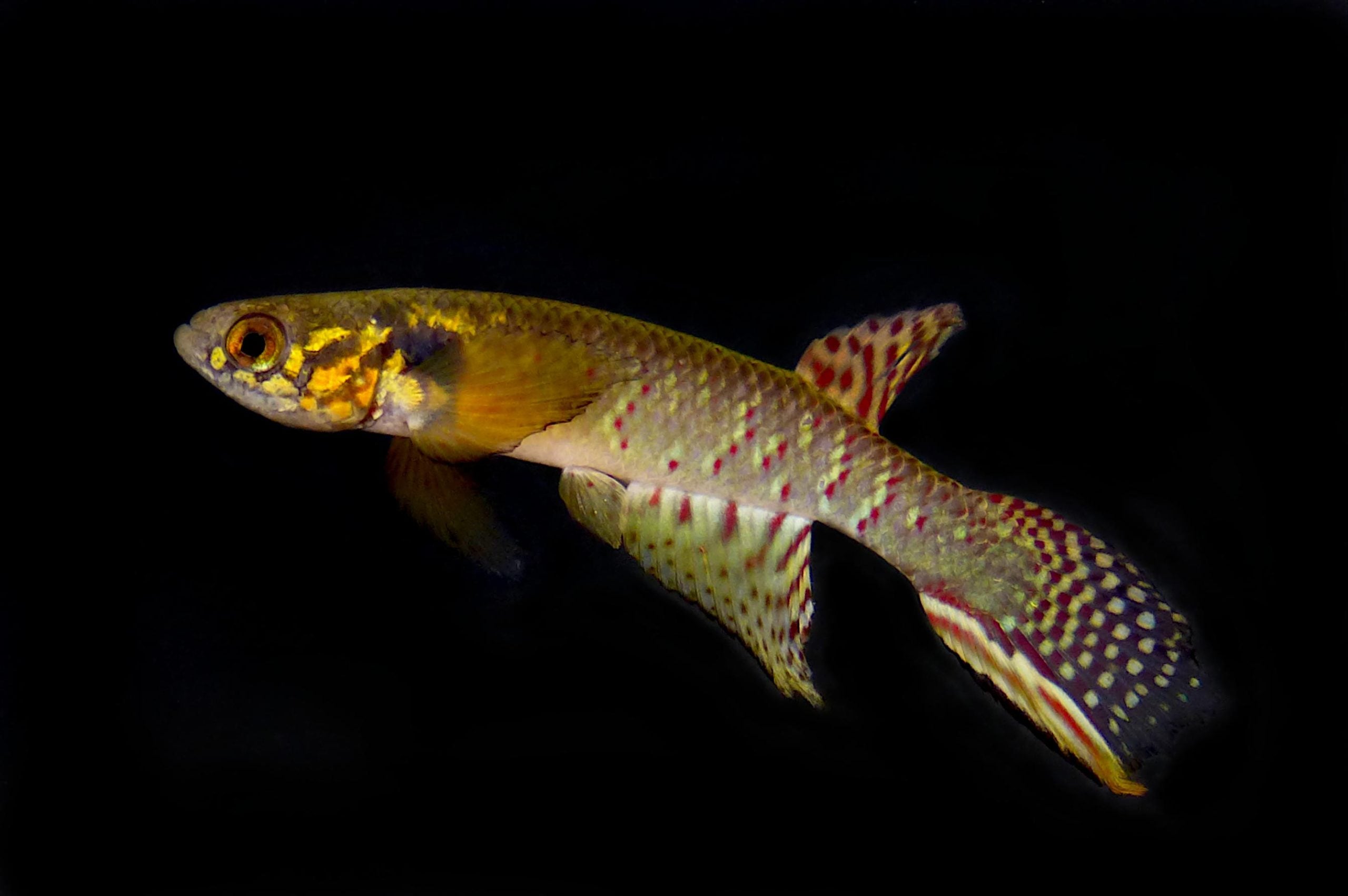
    Male Moema Claudiae Seasonal Killifish
    Moema claudiae. Credit: Heinz Arno Drawert and Thomas Otto Litz

    A long-lost Bolivian killifish has been found alive, revealing a globally important hotspot for seasonal killifish diversity at risk from deforestation.

    Researchers have confirmed the rediscovery of Moema claudiae, a seasonal killifish from Bolivia that had been considered possibly extinct. Finding this species again brings renewed optimism for its protection and for the conservation of the region’s wetland ecosystems.

    Moema claudiae had not been observed for more than 20 years at its original site, which has since been destroyed and converted into farmland. Despite extensive surveys over the past two decades, no additional individuals were found, leading to its classification as Critically Endangered under IUCN criteria and its assumption of being possibly extinct.
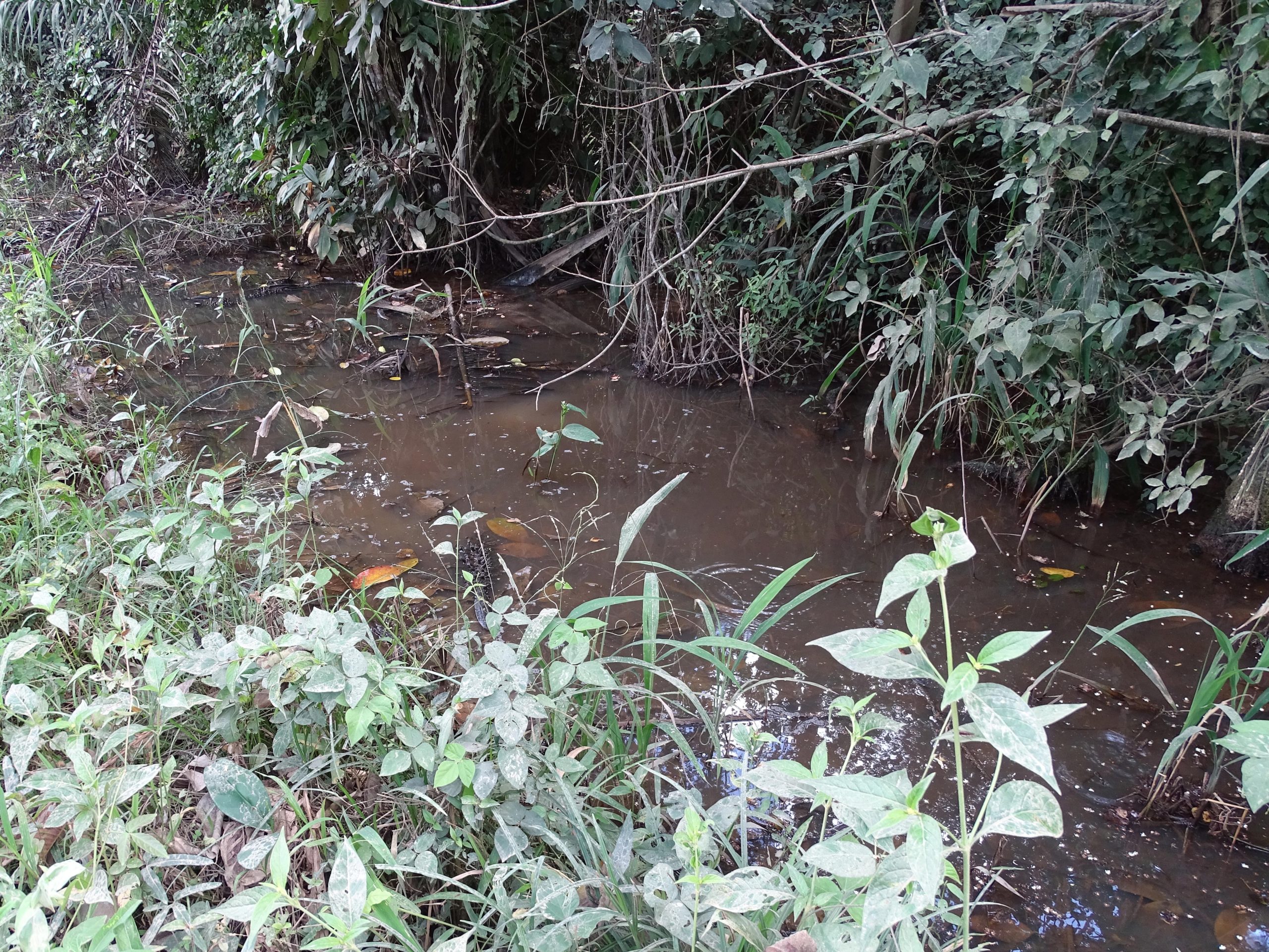
    Moema Claudiae Habitat
    Moema claudiae habitat. Credit: Heinz Arno Drawert and Thomas Otto Litz

    Discovery in a remnant forest pond

    During a recent field expedition, researchers Heinz Arno Drawert and Thomas Otto Litz located a surviving group of the fish in a small temporary pond preserved within a fragment of forest surrounded by agricultural land.

    The rediscovery, published in the open-access journal Nature Conservation, marks the first confirmed sighting of the species in over twenty years. It allowed scientists to capture the first live photographs, document its behavior, and investigate aspects of its natural history that had never been recorded before.
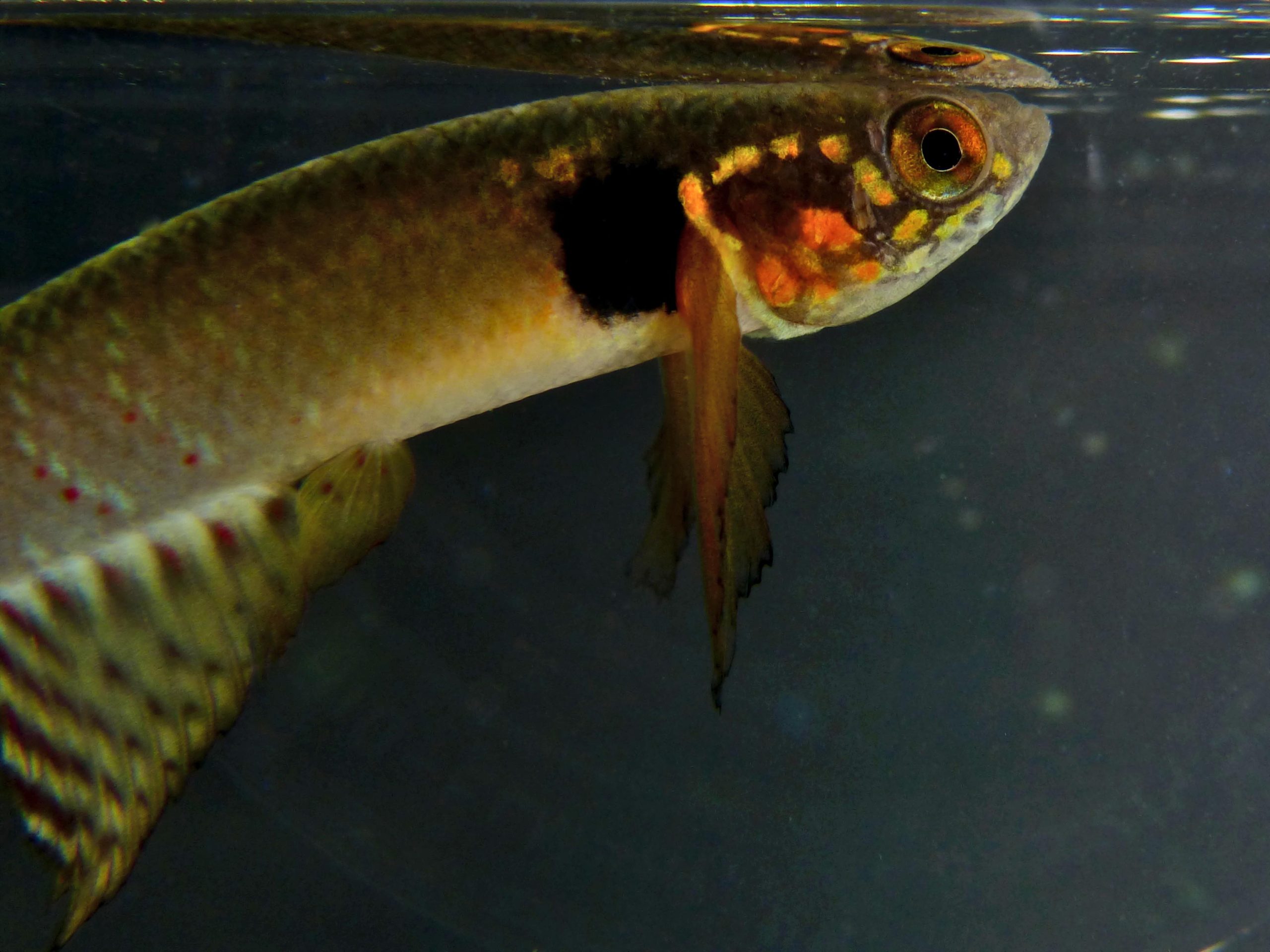
    Specimen of Moema Claudiae
    Moema claudiae. Credit: Heinz Arno Drawert and Thomas Otto Litz

    Thomas Litz, one of the co-authors, said: “For me, it is something special to have rediscovered Moema claudiae. This has shown that we now have the opportunity to preserve this species in the wild. I am all the more pleased because Prof. Wilson Costa named this species after his wife Claudia, and I would like to take this opportunity to thank him especially for decades of collaboration and support.”

    The site where the fish was found contained not only Moema claudiae but also six additional species of seasonal killifish. This makes it the most genetically diverse group of these fish recorded anywhere in the world.

    The area’s distinctive environment, located at the transition between the Amazon forest and the Llanos de Moxos savannas, seems to foster this remarkable variety. However, fast-moving deforestation and the spread of agriculture are putting these habitats under severe pressure.
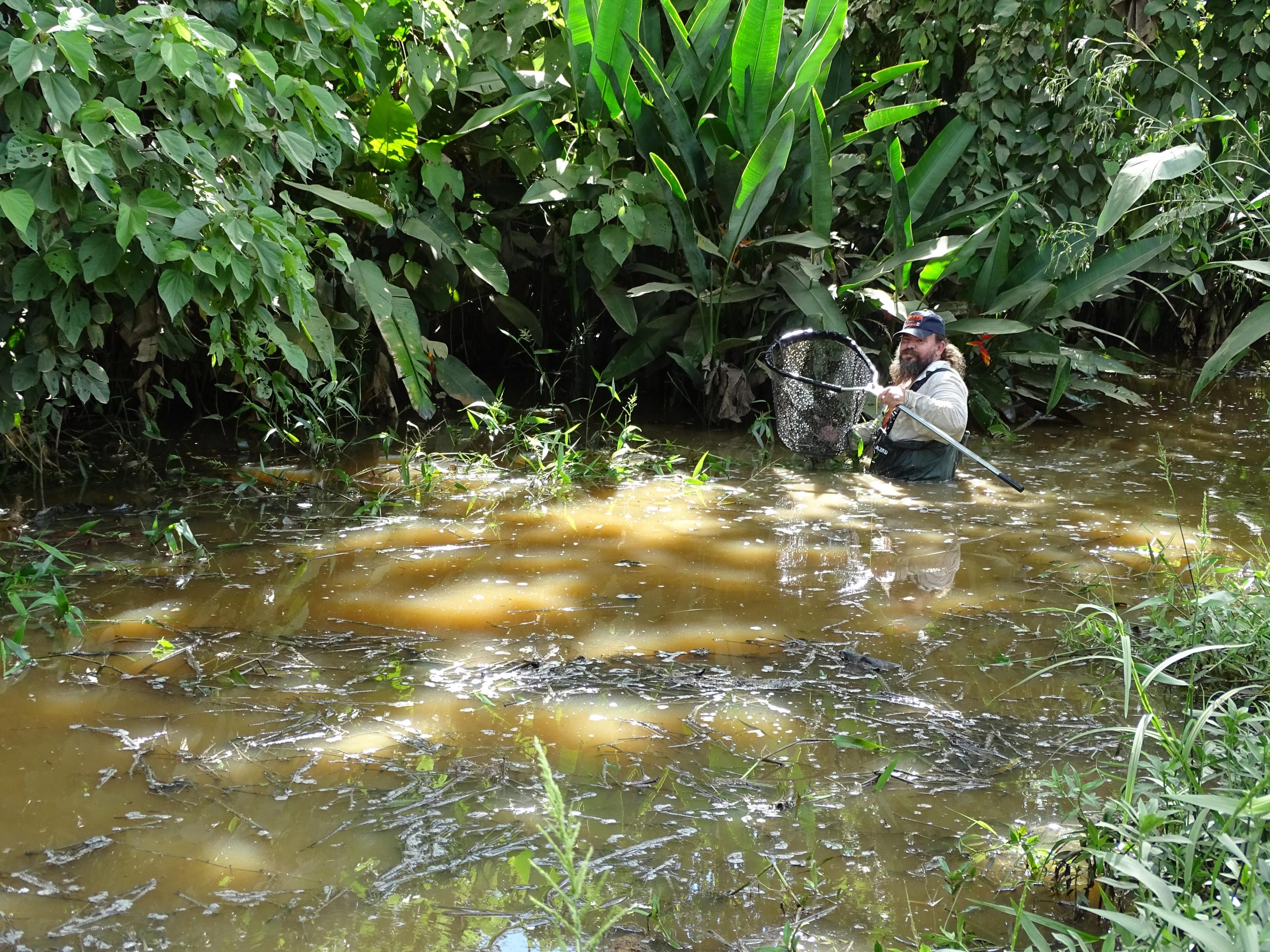
    Heinz Arno Drawert
    Heinz Arno Drawert. Credit: Heinz Arno Drawert and Thomas Otto Litz

    Ecological pressures and habitat loss

    Following this discovery, scientists emphasize the urgent need to protect the area, as it is now the only known site harboring a wild population of Moema claudiae, as well as an exceptional global hotspot for seasonal killifish diversity.

    Over the last 25 years, nearly 10 million hectares of forest were lost in Bolivia, including vital wetland habitats. Deforestation has accelerated dramatically in recent years, raising serious concerns for the future of many unique species and ecosystems.
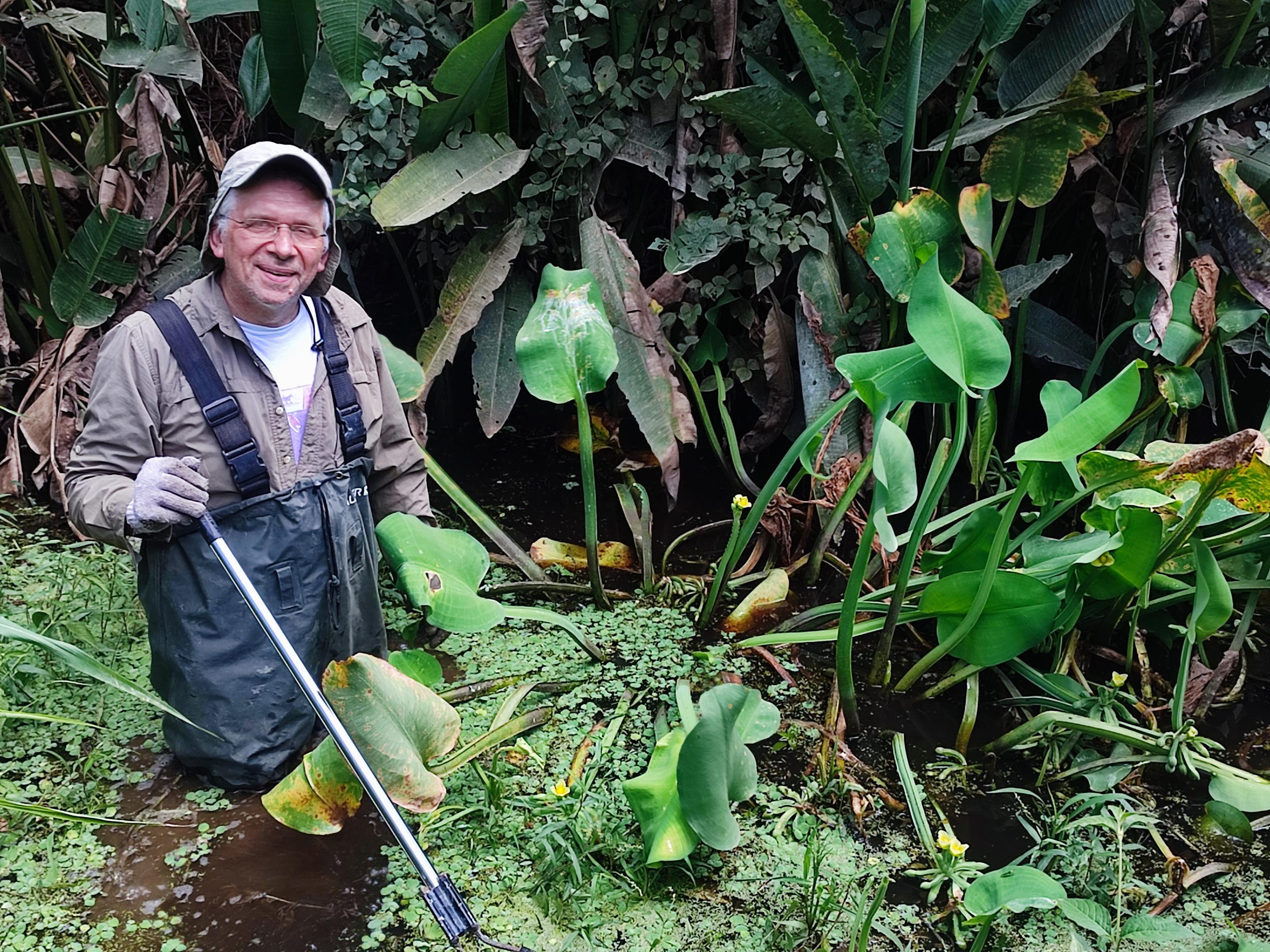
    Thomas Otto Litz
    Thomas Otto Litz. Credit: Heinz Arno Drawert and Thomas Otto Litz

    “Without rapid and effective action to curb the irrational expansion of the agricultural frontier in Bolivia’s lowlands, we risk losing some of the world’s most important terrestrial and aquatic ecosystems, and with them the irreplaceable goods and services they provide,” added co-author Heinz Drawert. “We cannot hope to achieve true social and economic wellbeing unless we also maintain the functionality of the ecosystems that sustain it.”

    Reference: “Rediscovery of a thought to be extinct beauty: a second chance for conservation” by Heinz Arno Drawert and Thomas Otto Litz, 14 November 2025, Nature Conservation.
    DOI: 10.3897/natureconservation.60.160386

    Never miss a breakthrough: Join the SciTechDaily newsletter.
    Follow us on Google and Google News.

    Biodiversity Conservation Ecology Fish Pensoft Publishers
    Share. Facebook Twitter Pinterest LinkedIn Email Reddit

    Related Articles

    Lessons From a Failed Experiment: When “Eradicated” Species Bounce Back With a Vengeance

    Ocean’s Mammals at Crucial Crossroads – 25% of Species at Risk of Extinction

    World-First Study Reveals Human Activity Forces Animals to Move 70% Further to Survive

    Natural Reward Theory: A New Foundation for Biology?

    New Snail Discovered by Citizen Scientists Named After Greta Thunberg

    Humans Not Always to Blame for Genetic Diversity Loss in Wildlife, New Conservation Research Reveals

    Saving the Northern White Rhino From Extinction

    Biodiversity and Wildlife of Angola Threatened by Illegal Hunting and Bushmeat Trade

    Spying With Drones to Help Hippo Conservation Efforts

    1 Comment

    1. kamir bouchareb st on November 29, 2025 12:23 pm

      thanks for this

      Reply
    Leave A Reply Cancel Reply

    • Facebook
    • Twitter
    • Pinterest
    • YouTube

    Don't Miss a Discovery

    Subscribe for the Latest in Science & Tech!

    Trending News

    Millions Take These IBS Drugs, But a New Study Finds Serious Risks

    Scientists Unlock Hidden Secrets of 2,300-Year-Old Mummies Using Cutting-Edge CT Scanner

    Bread Might Be Making You Gain Weight Even Without Eating More Calories

    Scientists Discover Massive Magma Reservoir Beneath Tuscany

    Europe’s Most Active Volcano Just Got Stranger – Here’s Why Scientists Are Rethinking It

    Alzheimer’s Symptoms May Start Outside the Brain, Study Finds

    Millions Take This Popular Supplement – Scientists Discover a Concerning Link to Heart Failure

    The Universe Is Expanding Too Fast and Scientists Can’t Explain Why

    Follow SciTechDaily
    • Facebook
    • Twitter
    • YouTube
    • Pinterest
    • Newsletter
    • RSS
    SciTech News
    • Biology News
    • Chemistry News
    • Earth News
    • Health News
    • Physics News
    • Science News
    • Space News
    • Technology News
    Recent Posts
    • U.S. Waste Holds $5.7 Billion Worth of Crop Nutrients
    • Scientists Say a Hidden Structure May Exist Inside Earth’s Core
    • Doctors Surprised by the Power of a Simple Drug Against Colon Cancer
    • Why Popular Diabetes Drugs Like Ozempic Don’t Work for Everyone: The “Genetic Glitch”
    • Scientists Create Improved Insulin Cells That Reverse Diabetes in Mice
    Copyright © 1998 - 2026 SciTechDaily. All Rights Reserved.
    • Science News
    • About
    • Contact
    • Editorial Board
    • Privacy Policy
    • Terms of Use

    Type above and press Enter to search. Press Esc to cancel.