
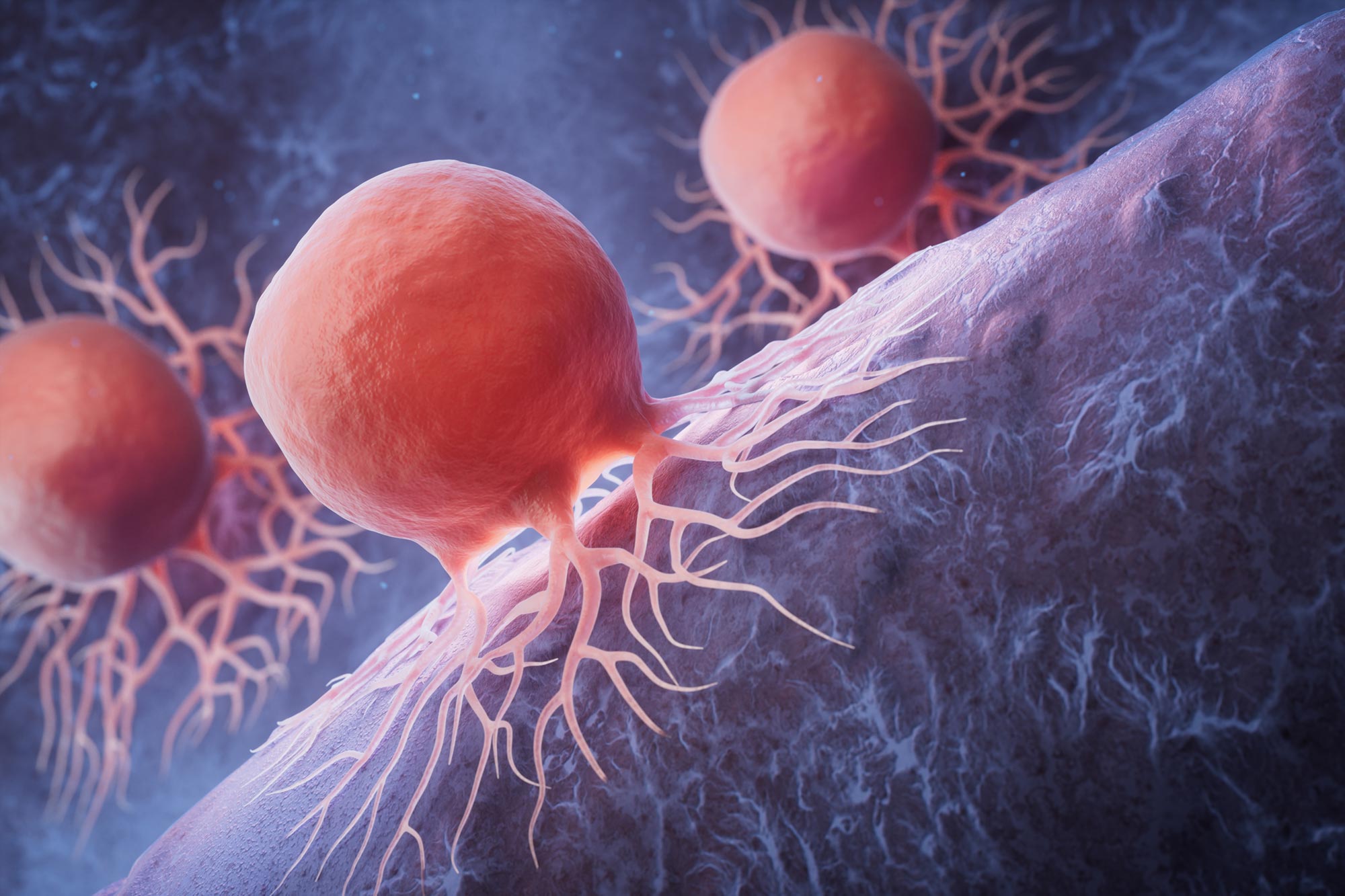
A protein that helps cancer grow could become an unlikely ally in treating it, with laboratory and mouse experiments showing that activating it in engineered immune cells curbs tumor growth.
Colorectal cancer has become the leading cause of cancer-related death in people under 50, and chemotherapy and newer immunotherapy drugs can fall short against its most common forms. That toll among younger people led researchers at Cold Spring Harbor Laboratory (CSHL) to investigate whether changing how immune cells burn fuel could help them fight the disease.
In a study published in Nature Immunology, the team found that activating a protein involved in fat burning helped engineered immune cells slow or stop tumor growth in laboratory and mouse experiments. The protein, peroxisome proliferator-activated receptor delta (PPARD), helps control how human cells use fat. The researchers activated it in CAR T cells, engineered immune cells already used in some cancer immunotherapies.
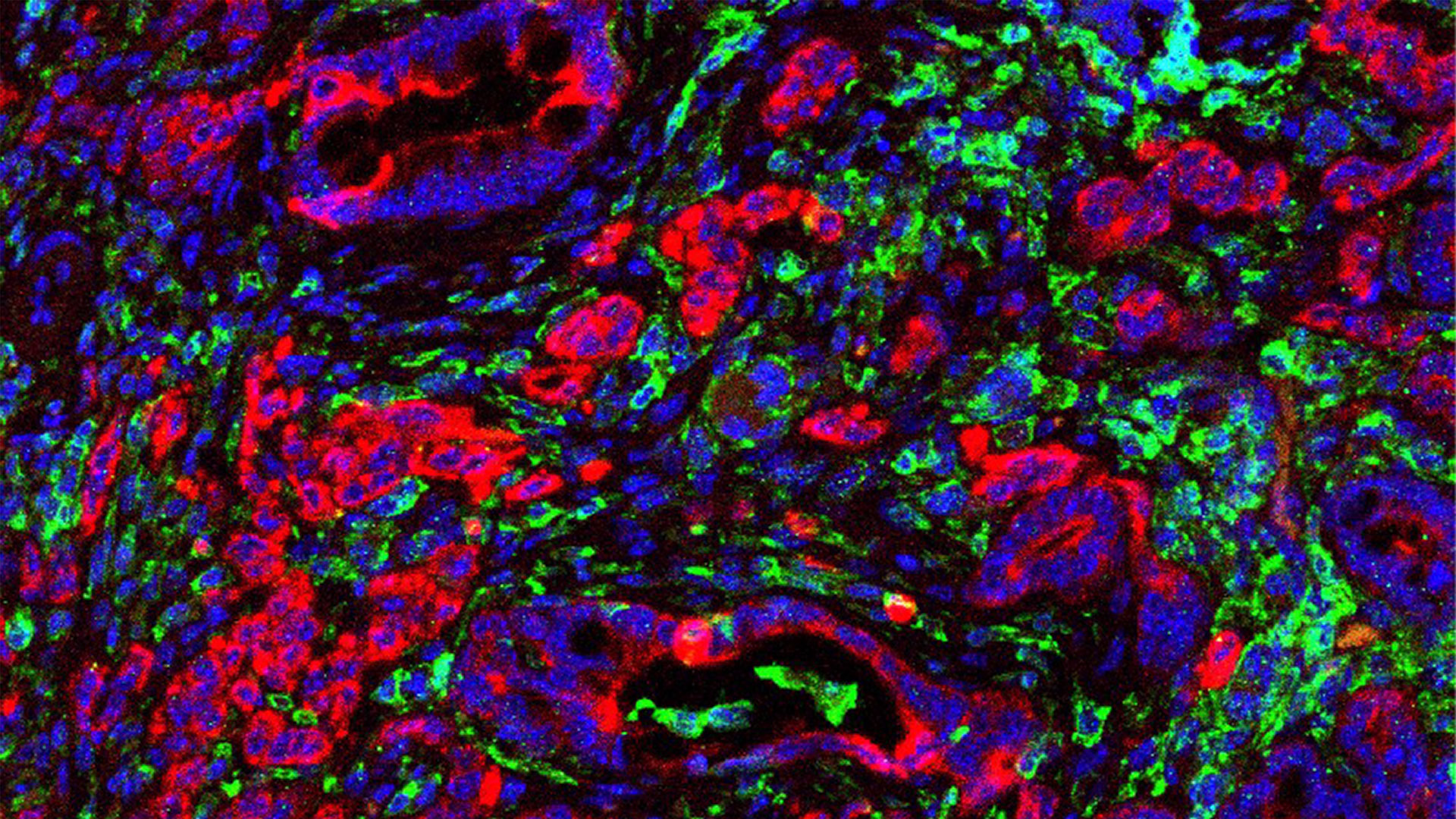
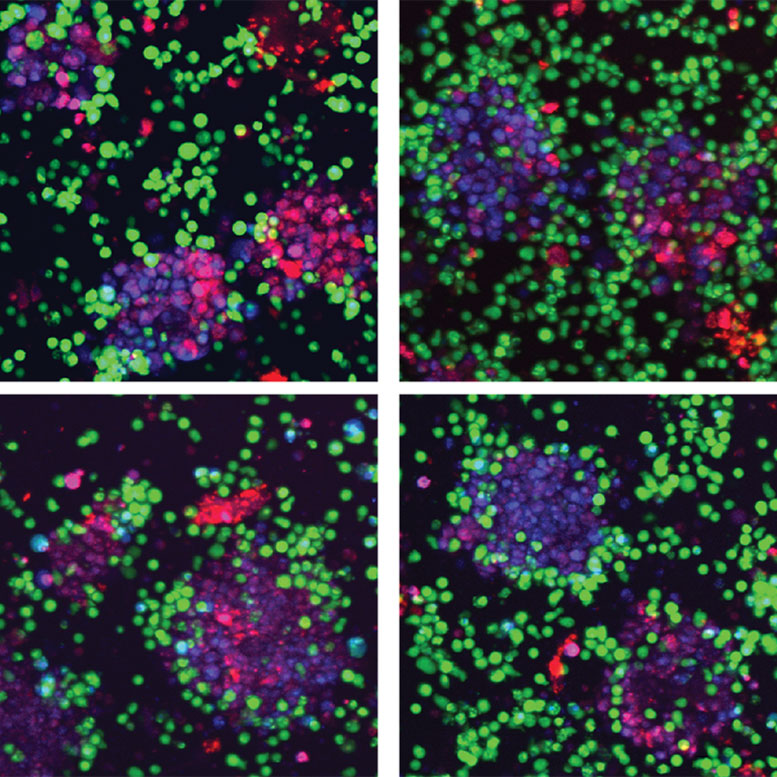
To test whether the altered CAR T cells could attack human colorectal cancer, the team used organoids, miniature tumors grown from patient tissue samples. They also tested the cells against human cancer cells in a dish and human cancer cells implanted in mice, finding that tumor growth slowed or stopped in each setting. The researchers also validated their findings in other tumor types, including breast cancer, ovarian cancer, and melanoma.
A cancer-promoting protein switches sides
PPARD is a transcription factor, a protein that helps control gene activity, and it usually promotes cancer growth. Investigating whether it could also help immune cells drew on a broader idea about fitness. Doctors have long recognized fitness as one of the strongest determinants of patient outcomes. For CSHL Assistant Professor Semir Beyaz, that concept extends beyond a patient’s physique to the capabilities of individual cells.
“We hypothesized that the fitness determinants of cancer and our immune cells may not be so different,” he said. “They’re in the same universe. They’re constrained by the same chemical and physical rules. So, it’s not surprising they’d end up evolving the same way.”
Before testing the approach in CAR T cells, Beyaz’s lab investigated PPARD in a mouse model of colorectal cancer. Although the cancer cells had their own PPARD, activating it in immune cells shifted the environment around the tumor from supporting cancer to opposing it. “It’s all about cell fitness,” Beyaz explains. “What cells eat affects who they are. When immune cells burn more fat, they become more fit for fighting cancer.”
Beyaz likens PPARD’s opposing roles to “the force” from Star Wars. It can promote disease like Darth Vader carrying out the Emperor’s will, or turn against disease like Anakin Skywalker seeing the light. “It’s the classic fight between good and evil,” Beyaz says. “How can good ultimately prevail? Activating PPARD in immune cells could be the way.”
Testing immune fitness against endometriosis
The findings remain experimental, but Beyaz sees them as the “tip of the iceberg” for making cancer immunotherapy more effective. His lab is now applying the approach to endometriosis, a chronic inflammatory disease affecting one in 10 women for which more effective treatments are needed.
“Boosting immune cell fitness may also help with other conditions where the immune system fails to clear diseased cells,” Beyaz says.
Reference: “Compartment-specific PPARδ activity controls the outcome of cancer–immune cell competition and immunotherapy efficacy” by Paul Bunk, Ilgin Ergin, Timothy Maher, Vyom Shah, Julia R. Bonney, Lokesh B. S. S. Kumar, Charlie Chung, Nils Wellhausen, Philip Moresco, Sarah Shao, Jill Habel, Vinay Mandati, Rachel Rubino, David E. Rivadeneira, John E. Wilkinson, Laura Herrero, Peter M. K. Westcott, Samuel E. Weinberg, Saar I. Gill, Nathalie Y. R. Agar and Semir Beyaz, 14 October 2026, Nature Immunology.
DOI: 10.1038/s41590-026-02685-2
This work was financially supported by grants to S.B. from the National Institute of Health, National Cancer Institute (R37CA292807, R01CA316351), Oliver S. and Jennie R. Donaldson Charitable Trust, the Goldring Family Foundation, the Claire Friedlander Family Foundation, the G. Harold and Leila Y. Mathers Charitable Foundation, the Mark Foundation for Cancer Research (20-028-EDV), Chan Zuckerberg Initiative/Silicon Valley Community Foundation (2021-239862), STARR Cancer Consortium (I13-0052), the Cold Spring Harbor Laboratory and Northwell Health Affiliation, New York Genome Center Polyethnic-1000 Initiative and Swim Across America.
Never miss a breakthrough: Join the SciTechDaily newsletter.
Follow us on Google and Google News.
1 Comment
amen