
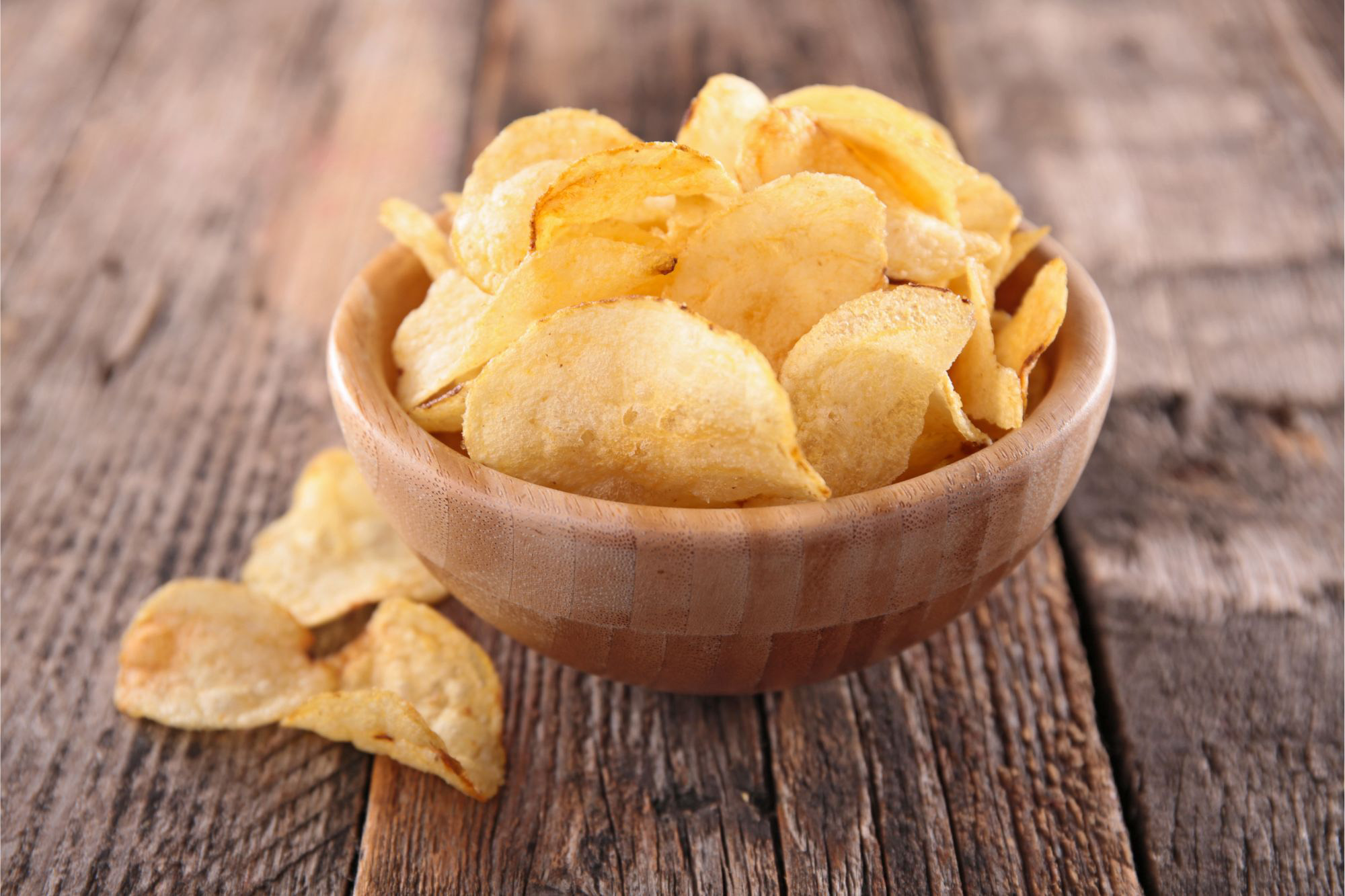
Researchers at Michigan State University have discovered a method to decrease the levels of a carcinogen generated during the frying of tubers that have been stored in cold conditions.
In a breakthrough for the snack food industry, a team of scientists led by Michigan State University professors Jiming Jiang and David Douches has discovered a key mechanism behind the darkening and potential health concerns associated with cold-stored potatoes.
Their findings, published in the journal The Plant Cell, hold promise for the development of potato varieties that could be stored under cold temperatures and lead to healthier and tastier chips and fries.
These snacks have a market worth billions of dollars in the U.S. In Michigan — the nation’s leading producer of potatoes for chips — the potato industry is valued at $240 million annually.
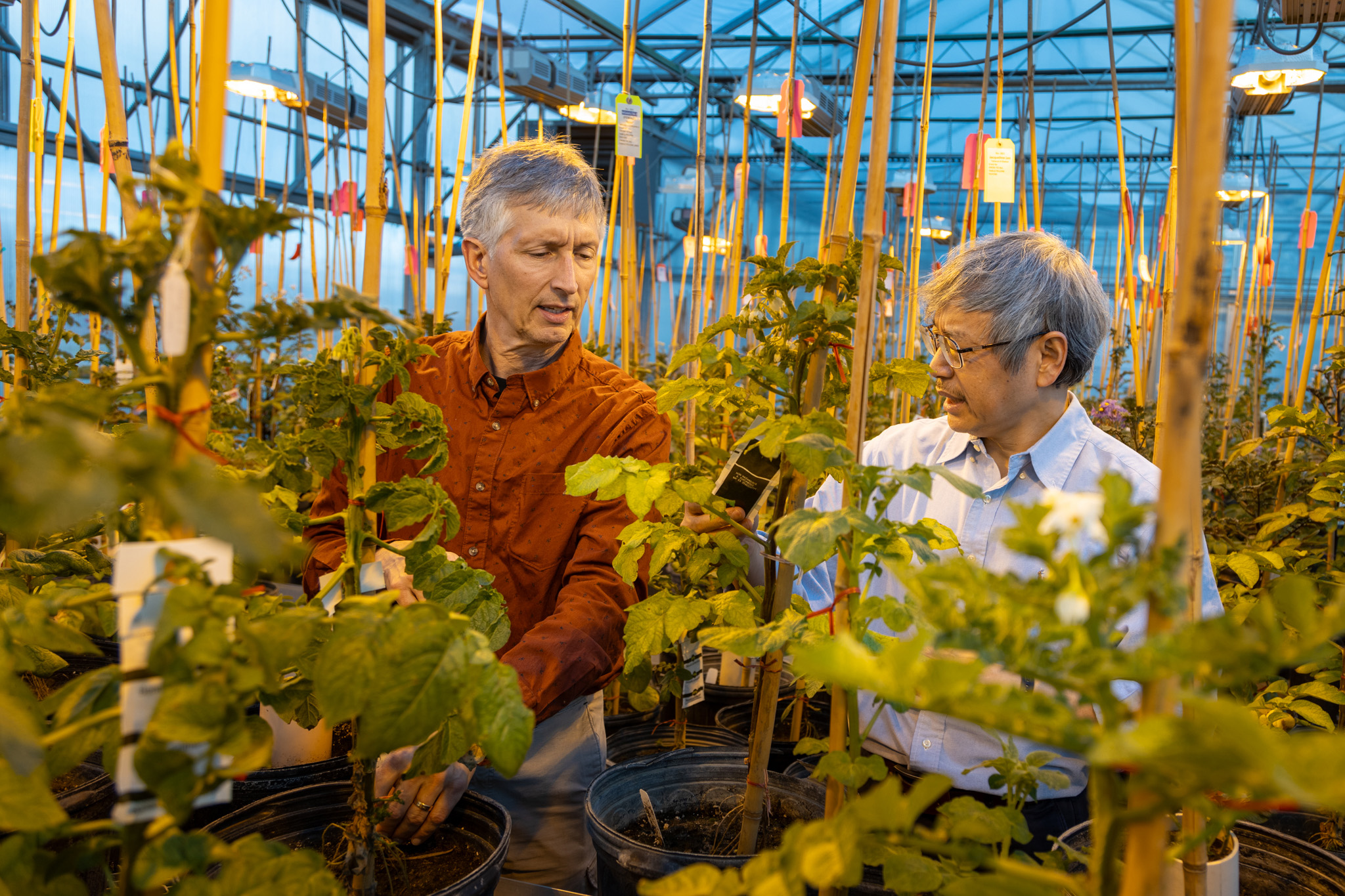
But farmers can’t grow the crops year-round and snack makers need a constant supply of fresh spuds to meet their demands. Preserving potatoes in cold storage ensures chip and fry producers have what they need, but the low temperatures also trigger a process called cold-induced sweetening, or CIS, which converts starches to sugars.
Processing tubers loaded with sugars results in darkened fries and chips. It also generates acrylamide, a carcinogenic compound formed during high-temperature processing, which has been linked to health concerns including an increased cancer risk.
Although there are techniques to reduce sugars in cold-stored tubers, these add cost and can affect the flavor of the final product. So Jiang and his colleagues have focused on the root of the problem to work toward potatoes that aren’t affected by CIS, to begin with.
“We’ve identified the specific gene responsible for CIS and, more importantly, we’ve uncovered the regulatory element that switches it on under cold temperatures,” explained Jiang, an MSU Research Foundation Professor in the departments of Plant Biology and Horticulture.
“By studying how this gene turns on and off, we open up the possibility of developing potatoes that are naturally resistant to CIS and, therefore, will not produce toxic compounds.”
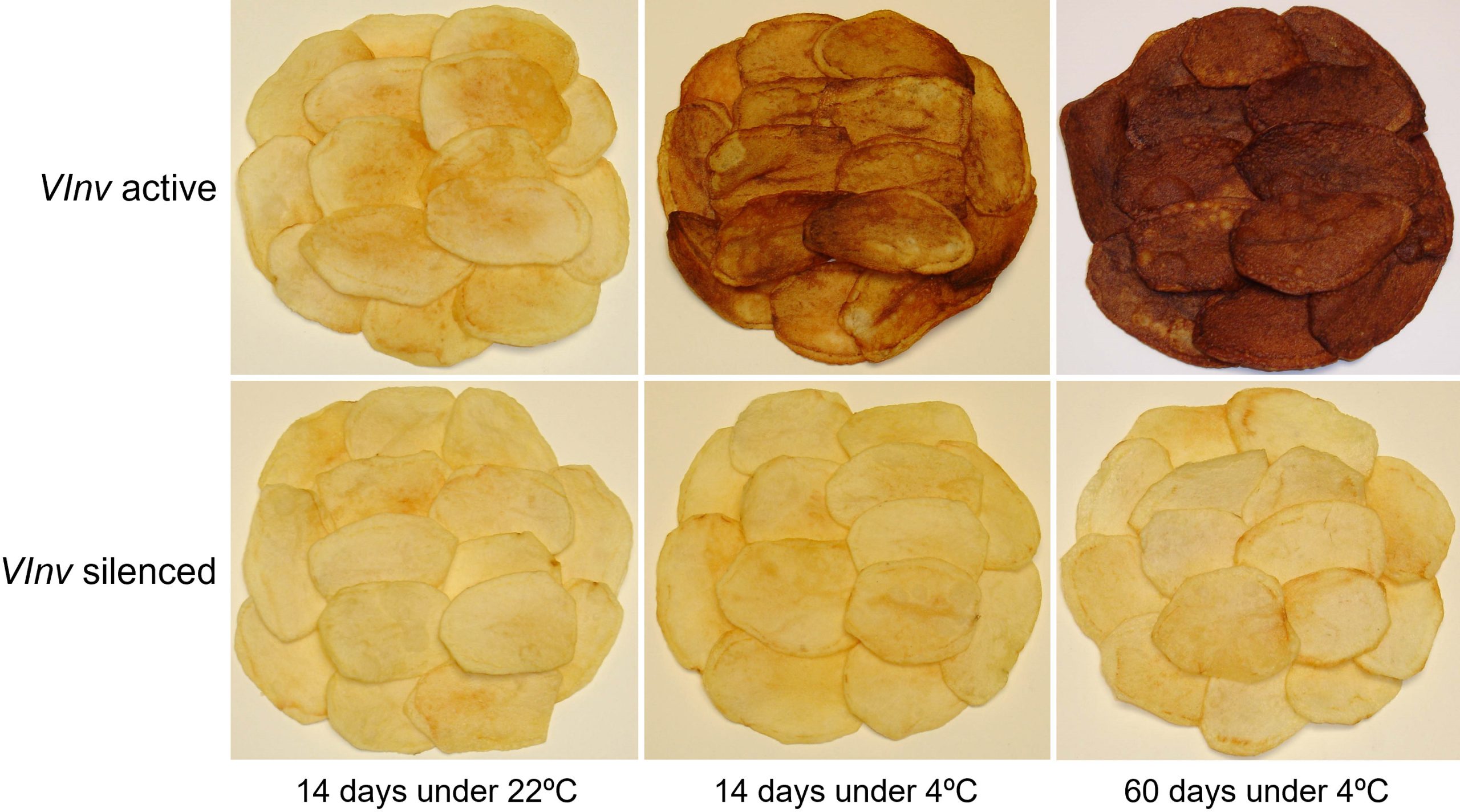
From lab, to greenhouse, to chip bag
Jiang, a potato researcher for over 20 years, has dedicated his career to solving this puzzle.
To overcome one of the most pressing issues in the potato industry, Jiang started his work to minimize acrylamide in potato chips and fries at the University of Wisconsin-Madison. There, Jiang and his team published a paper in 2010 identifying a key gene responsible for potato CIS. Moving to MSU in 2017, Jiang and his team have worked to pinpoint which elements of that gene could be modified to stop the process of cold-induced sweetening.
Jiang’s research team, which includes collaborators across MSU’s campus as well as at other research universities, used a combination of gene expression analysis, protein identification, and enhancer mapping to pinpoint the regulatory element controlling the CIS gene.
“MSU’s collaborative research environment and facilities, including the world-class potato breeding program led by Dave Douches, were instrumental for this research,” Jiang said. “Our next steps involve using this knowledge to create CIS-resistant potato lines through gene editing or other breeding techniques in Dr. Douches’ greenhouses.”
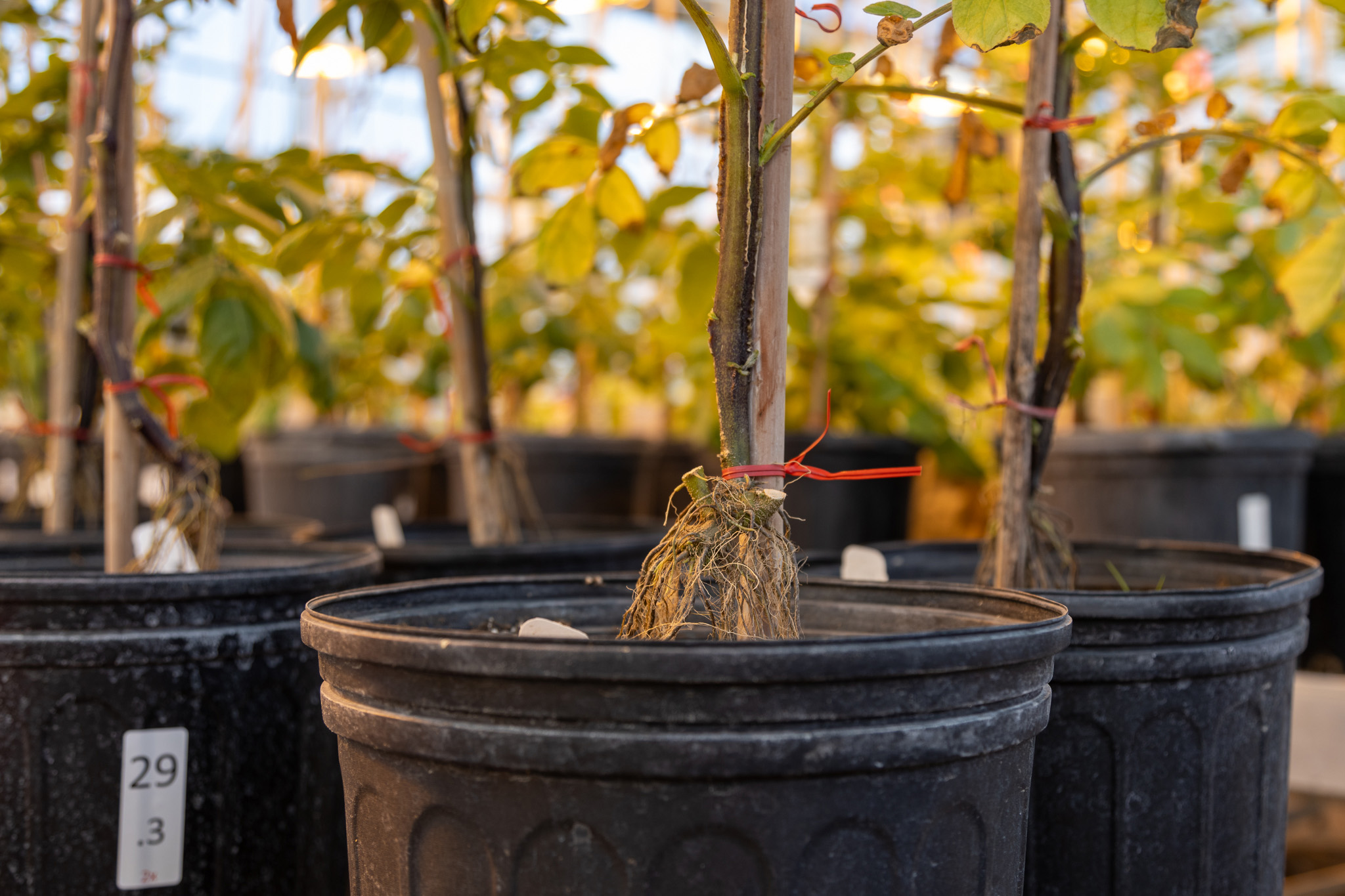
The lead of the MSU Potato Breeding and Genetics Program, Douches put into practice a technique Jiang developed to stop CIS through gene editing.
“All our facilities are on campus so the research work can be done efficiently,” Douches said. “With our collaboration, we were able to produce a finding that paves the way for targeted genetic modification approaches to create cold-resistant potato varieties.”
The potential benefits of this research extend beyond improved snack food quality. Reducing acrylamide formation in potatoes could have implications for other processed starchy foods. Additionally, cold-resistant potatoes could offer greater flexibility in storage and transportation, potentially reducing food waste and costs.
Jiang believes the new CIS-resistant potatoes could be commercially available in the near future.
“This discovery represents a significant advancement in our understanding of potato development and its implications for food quality and health,” Jiang said. “It has the potential to affect every single bag of potato chips around the world.”
Reference: “Molecular dissection of an intronic enhancer governing cold-induced expression of the vacuolar invertase gene in potato” by Xiaobiao Zhu, Airu Chen, Nathaniel M Butler, Zixian Zeng, Haoyang Xin, Lixia Wang, Zhaoyan Lv, Dani Eshel, David S Douches and Jiming Jiang, 20 February 2024, The Plant Cell.
DOI: 10.1093/plcell/koae050
Never miss a breakthrough: Join the SciTechDaily newsletter.
Follow us on Google and Google News.
1 Comment
Great. More Frankenfood…