
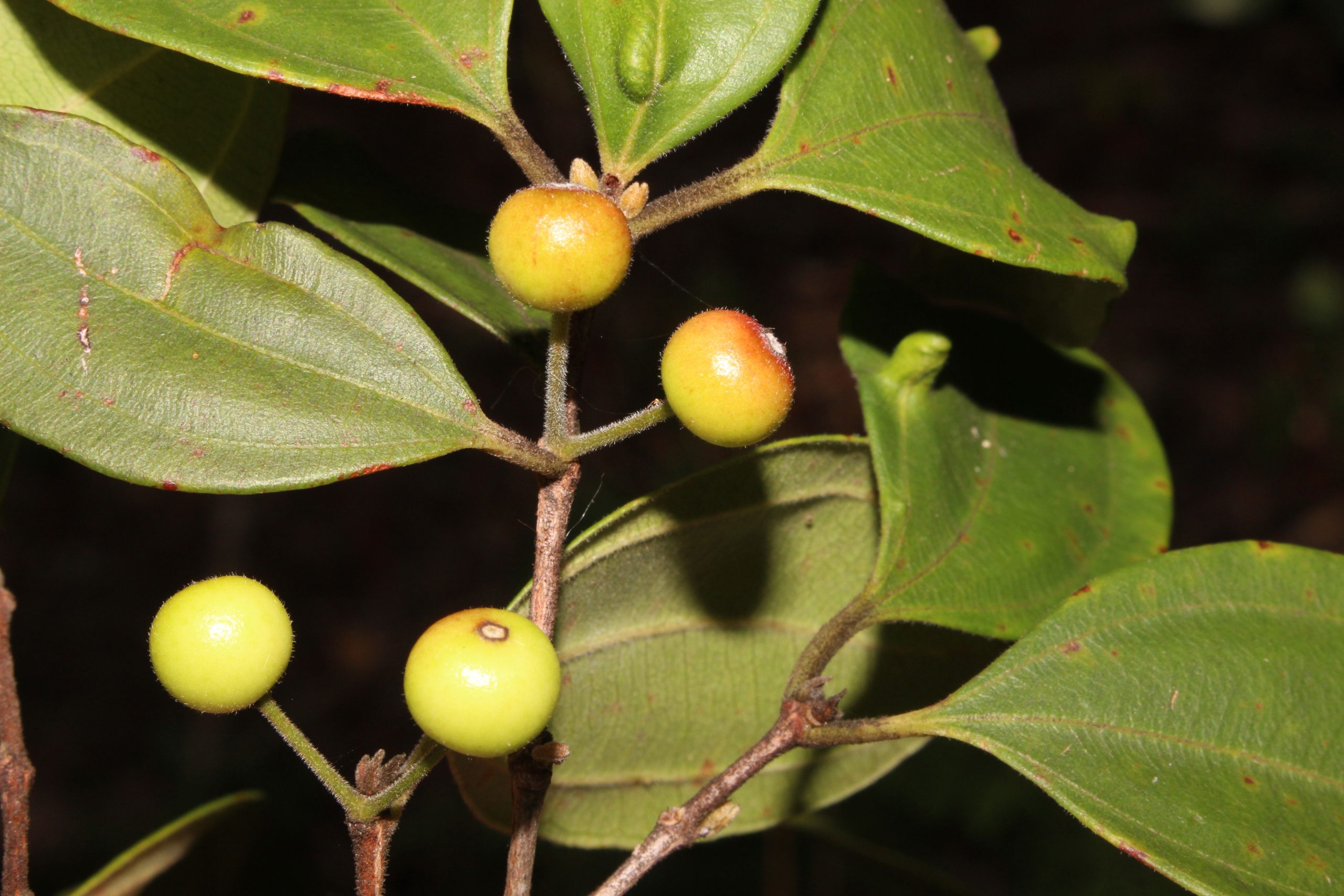
A newly named Australian tree nicknamed the “zombie tree” cannot reproduce because of a deadly fungal disease.
A recently identified tree species in Australia has been nicknamed “zombie” by scientists, who warn that urgent intervention will be required to reverse its “living dead” status.
University of Queensland botanist Professor Rod Fensham said it is a race against time to save Rhodamnia zombi from the devastating fungal disease myrtle rust.
“This species did not have a name when it was first assessed in 2020, and since then, 10 percent of the trees have died, and none of those remaining are producing flowers or fruit because of myrtle rust,” Professor Fensham said.
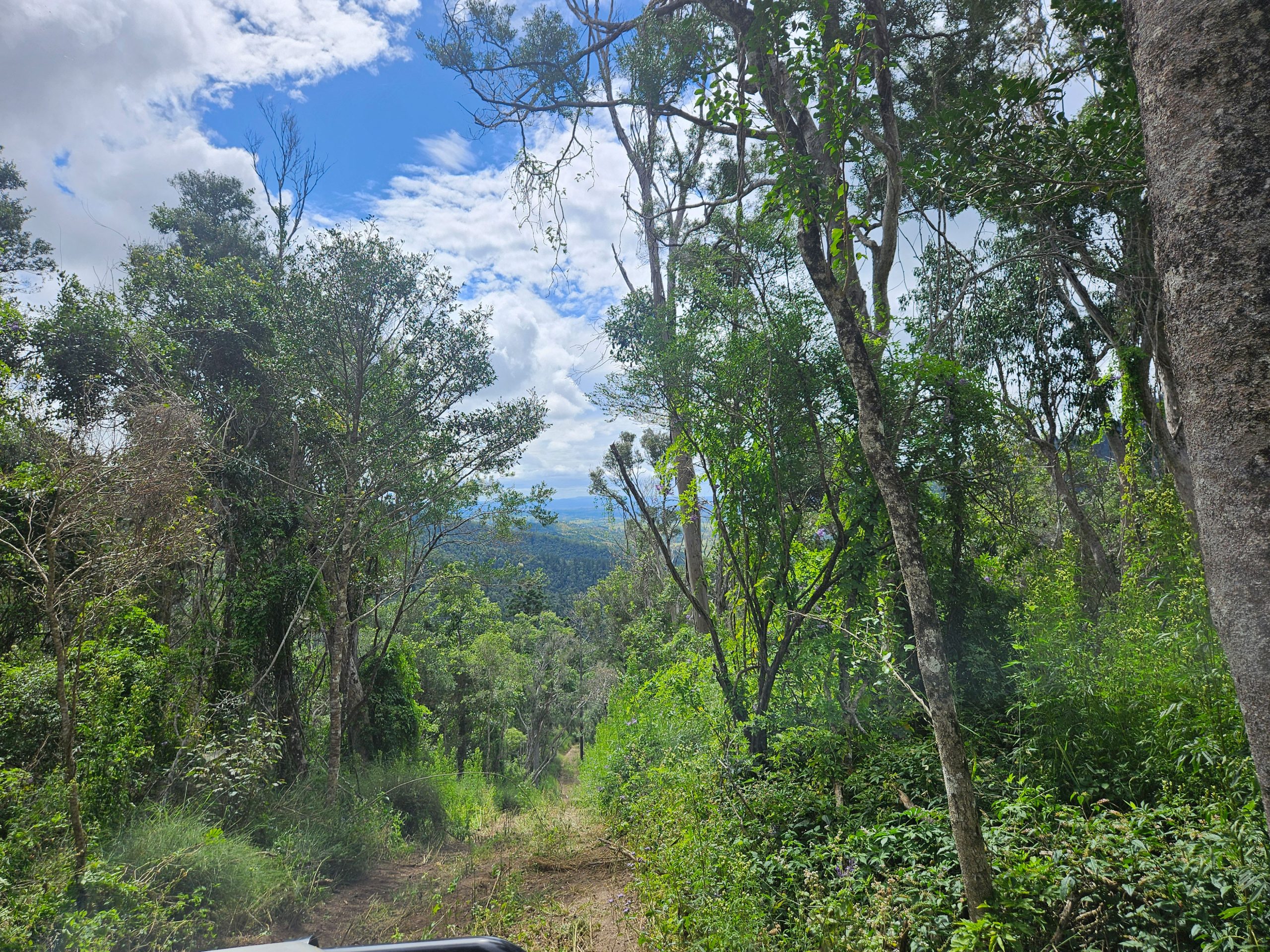
“It is a small to medium-sized tree with large dark green leaves, shaggy bark, and hairy white flowers growing in rainforests in the Burnett region of Queensland.
“The bright yellow fungal pathogen attacks and kills off its young shoots over and over again, meaning an infected tree can’t grow or reproduce and eventually dies.”
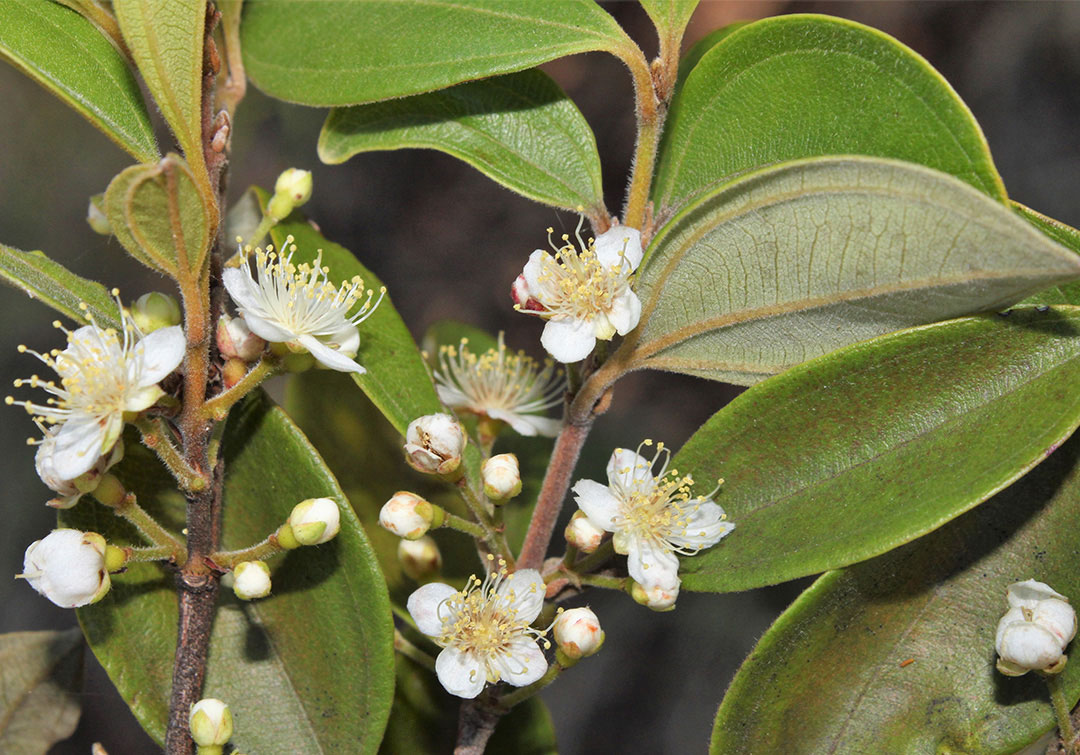
Myrtle rust was first detected in Australia in 2010. Since then, Rhodamnia zombi has been added to a list of species classified as potentially critically endangered due to the disease.
Species at Risk of Extinction
“Without any intervention, the 17 species on this Category X list will be extinct within a generation,” Professor Fensham said.
“None of them appear to have any resistance to myrtle rust or any wild population which is not yet infected.”
Professor Fensham, from UQ’s School of the Environment, said the wider Rhodamnia genome offers some hope for the zombie tree, as related species show resistance to myrtle rust.
Searching for Resistance
“A survival strategy starts with finding clean cuttings in the wild before myrtle rust attacks them and propagating them to grow at safe sites,” he said.
“So far seedlings are being grown by specialists in Lismore and Townsville, which look promising, but they need to be constantly vigilant.
“Hopefully, once they produce seed, lurking in the next generation of Rhodamnia zombi, some resistance will become apparent.
“It is a rare opportunity to study this evolutionary process, which has happened countless times in the wild over millennia.”
Ultimately, he hopes resistant individuals can be put back into forests to take their place in the ecosystem.
“It’s a long shot and ambitious, but the species needs time and space without being constantly walloped by myrtle rust to hopefully express some resistance,” Professor Fensham said.
“Left to its own devices, the trees in the wild really will be the living dead.”
Reference: “Myrtle Rust Continues to Blight Subtropical Rainforest Trees: Strategies for Resurrecting the Living Dead” by Roderick J. Fensham, Damian Butler, Brandan Espe, Isabella J. Paxton, Julian Radford-Smith and Spencer Shaw, 11 December 2025, Austral Ecology.
DOI: 10.1111/aec.70155
Never miss a breakthrough: Join the SciTechDaily newsletter.
Follow us on Google and Google News.