
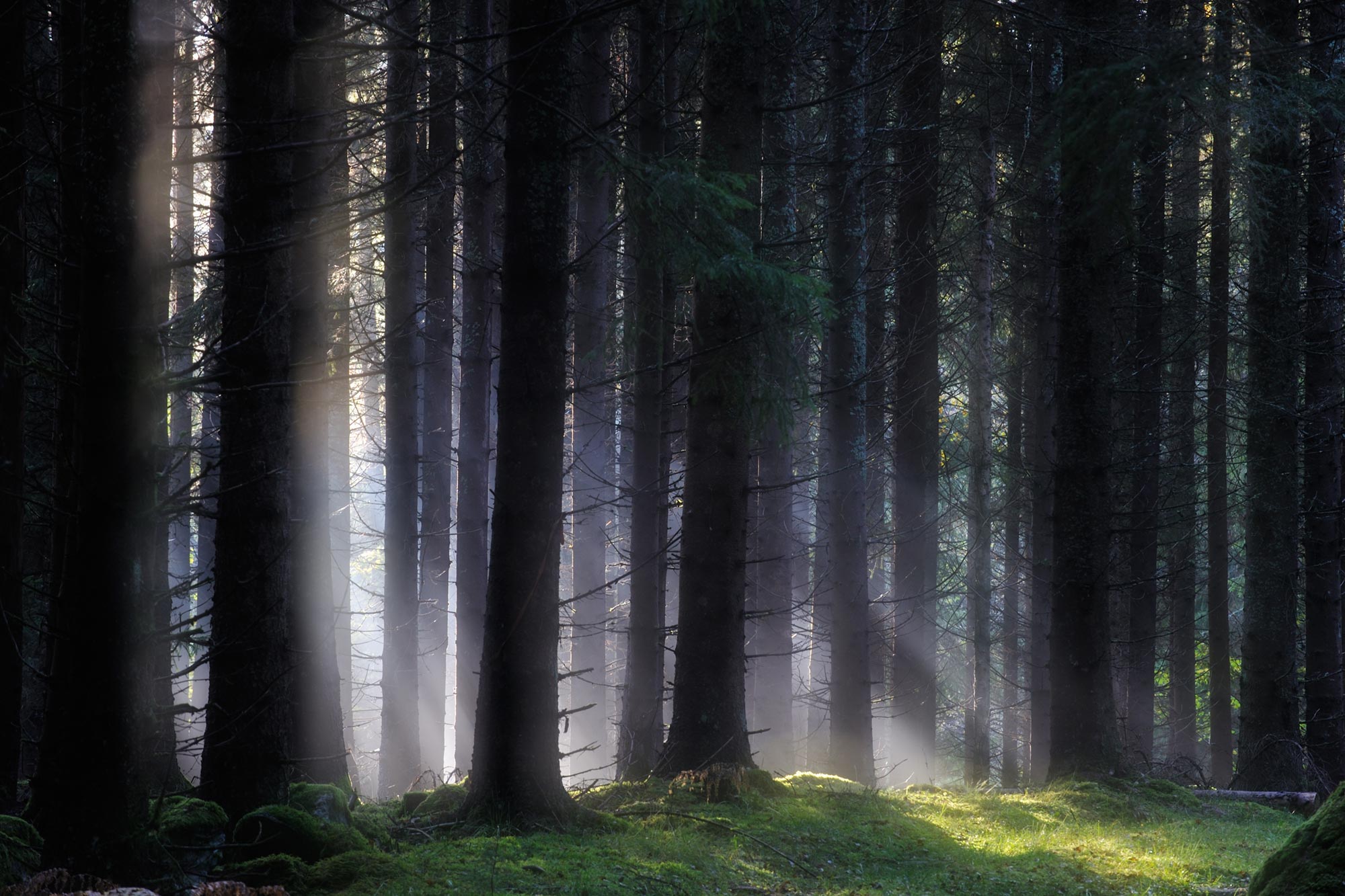
Old-growth boreal forests may be hiding much more of their climate value underground than anyone realized.
The planet’s northern forests hold enormous amounts of carbon in spruce, pine, and thick, needle-rich soils. But a major new study led by researchers at Lund University and Stanford University found that industrial logging is rapidly weakening that climate benefit. The largest losses are taking place below ground.
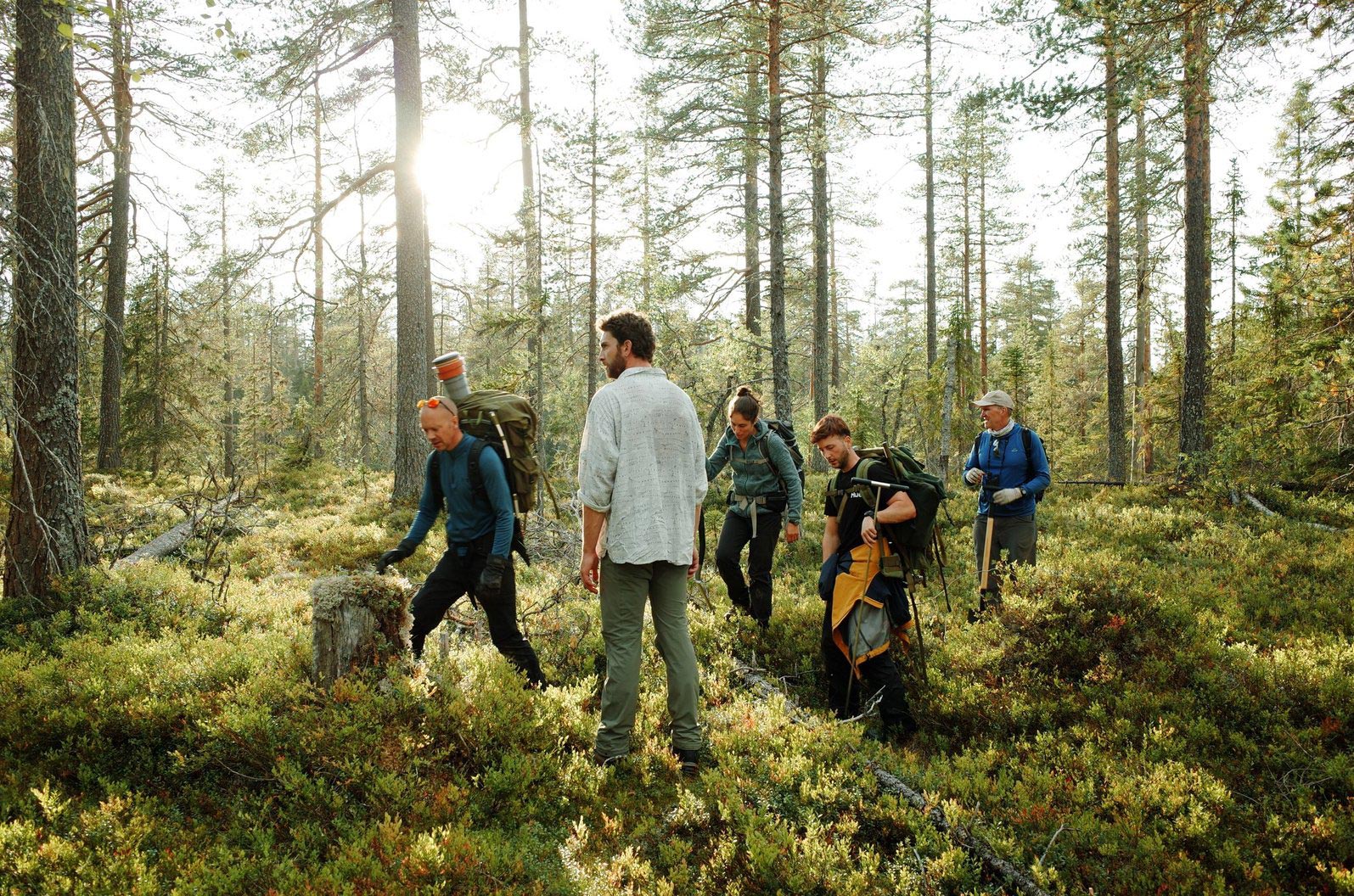
In Sweden, the research team mapped old-growth forests nationwide and measured carbon at more than 200 forest sites over three years. They combined those field measurements with decades of national forest and soil carbon inventory records, along with statistical modeling. The result is a first-of-its-kind estimate of carbon stored in vegetation, dead wood, soil, and harvested timber.
The findings, published March 19 in Science, show a large divide. Undisturbed primary forests store 72% more carbon per acre than the managed forests replacing them, which are often single-species plantations. That comparison includes carbon stored in products made from harvested wood, such as bioenergy, paper, and construction materials. When harvested wood products are left out, primary forests store 83% more carbon per acre.
The gap is 2.7 to 8 times larger than current official estimates. In practical terms, bringing Sweden’s managed forests back to the carbon storage level of primary forests would keep nearly 8 billion tons of carbon dioxide out of the atmosphere. That is about equal to Sweden’s total fossil fuel emissions over the past 200 years and hundreds of times greater than the country’s current annual fossil CO2 emissions.
Boreal forests under threat
The researchers said the biggest surprise was in the soil. “There’s far more carbon in the soil than in the trees in these old-growth boreal forests,” said Rob Jackson, a senior author of the study and professor of Earth system science at the Stanford Doerr School of Sustainability. He said old-growth forests do not easily regain the carbon storage capacity they lose after heavy furrow-cutting and logging. “The loss of soil carbon through industrial management is persistent and shocking.”
In lowland primary forests, the team found that the top meter (3.3 feet) of soil held about 64% of the total carbon in an average plot. Live trees accounted for about 30%, while dead wood made up 6%.
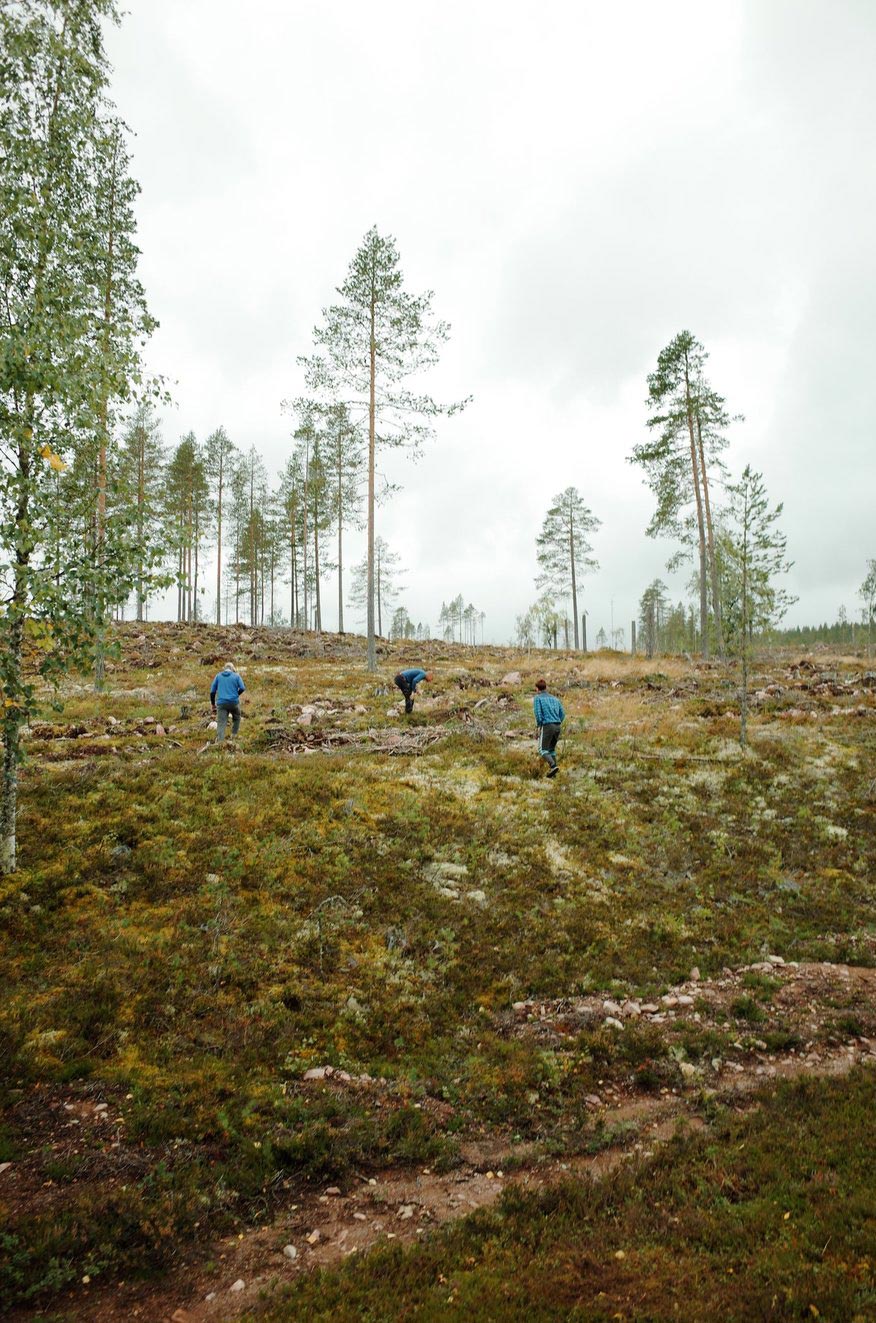
Earlier research found that from 2003 to 2019, Sweden lost unprotected old-growth forests to clear-cutting at a rate of 1.4% per year. That is six times the current rate of primary forest loss in the Brazilian Amazon.
Similar losses may be happening across boreal regions worldwide, but they are often harder to detect than tropical deforestation. Satellites can usually tell oil palm plantations apart from primary rainforest. In the north, however, native spruce, pine, and birch dominate both old-growth forests and managed stands, making them look much alike from space.
“Unfortunately, the logging of primary forests in Sweden continues,” said study author Anders Ahlström, who led the work over the past eight years, first as a postdoctoral scholar in Jackson’s lab at Stanford and later as a senior lecturer at Lund University in Sweden. “Our results show that protecting the few primary forests that remain has a much larger potential to slow climate change than previously thought. Restoring sites degraded by industrial forestry could also boost biodiversity and store even more carbon.”
Overlooked value of old-growth forests
Countries around the world are relying on forests to help meet climate goals. Many models used to map paths for stabilizing global temperatures assume northern forests will be used more heavily, especially for bioenergy.
But if managed forests and plantations store less than half as much carbon as the old-growth boreal forests they replace, as this study suggests, those models may overstate the climate value of forest-based biofuels. That concern is especially important if slow-growing boreal forests take centuries to build back those carbon gains. The models may also undervalue forest protection and better forest management.
“Some of the changes we found are intuitive, that the primary forests have larger trees and hold more dead wood. But we weren’t sure what to expect from the soils,” said lead study author Didac Pascual, a postdoctoral scholar at Lund University. “We learned that primary forests stored more carbon in their soil alone than managed forests do in trees, dead wood, and soils combined.”
Understanding what drives carbon storage
Major questions remain, including how much specific forest management practices may contribute to carbon storage capacity. Drainage ditches, plowing, and prescribed burns may all play a role, as could the loss of beneficial fungi in soil that can help trees take up nutrients. The researchers will need those answers before extrapolating the results from Sweden to other boreal regions across Canada, Russia, and Alaska.
Based on the results published in Science, Jackson and Ahlström are now working with Stanford biologist Kabir Peay to understand what drives carbon storage in old-growth forest relics in Sweden and across Scandinavia. One possibility is that old-growth forests harbor a greater variety of microbes in tree roots and soil. The team wants to know whether microbe-driven mechanisms could be transplanted elsewhere.
“Our goal is to understand what makes the fungi and bacteria in these old-growth forests unique,” Peay said. This knowledge could potentially then pave the way for using microbes to speed up the transition of managed forest soils to a state where they lock away more carbon, “without having to wait centuries for old-growth forests to develop naturally.”
Reference: “Higher carbon storage in primary than secondary boreal forests in Sweden” by Didac Pascual, Gustaf Hugelius, Josep G. Canadell, Jennifer Harden, Robert B. Jackson, Katerina Georgiou, Anders Jonshagen, Johan Lindström, Karl Ljung, Emily Register, Camille Volle, Johanna Asch, Ulrika Ervander, Geerte Fälthammar De Jong, Jia Sun and Anders Ahlström, 19 March 2026, Science.
DOI: 10.1126/science.adz8554
This research was supported by The Crafoord Foundation, Swedish Research Council, BECC, Carl-Tryggers Stiftelse, Stiftelsen Extensus, Stiftelsen Längmanska kulturfonden, the Royal Physiographic Society of Lund, P.O. Lundells stiftelse, Jan Hain stiftelse för vetenskaplig teknisk forskning inom miljö och klimat, EU H2020 Climb-Forest, MERGE, a Blaustein Award to AA from Stanford’s Earth System Science Department, and the Stanford Sustainability Accelerator, which is based at the Doerr School of Sustainability.
Never miss a breakthrough: Join the SciTechDaily newsletter.
Follow us on Google and Google News.
3 Comments
You know, as a bunch, people are just plain stupid. We tell ourselves we’re smart – but we inescapably sit in group where the lower common denominators are the vast majority.
Forests live and die in place and provide the biomass available for the forest to exist. Three generations of harvesting takes that biomass away.
A carefully managed forestry is possible – but every tree in every environment needs to grow and develop fully. So full system management and harvest needs to be smart.
And there’s the problem.
Do you have any suggestions on how to fix the problem, as you see it?
“In practical terms, bringing Sweden’s managed forests back to the carbon storage level of primary forests would keep nearly 8 billion tons of carbon dioxide out of the atmosphere.”
The unstated assumption, and therefore unexamined, is that atmospheric carbon dioxide is deleterious. That is despite CO2 being essential for plants and NASA demonstrating that the biosphere is ‘greening’ in proportion to the increase in CO2. However, only a correlation is demonstrated, not cause and effect. There are reasons to believe that a warming world is extracting CO2 from the oceans to maintain partial-pressure equilibrium and that there is a time lag of one season as biological decomposition causes an increase in atmospheric CO2.
What is the optimal concentration of CO2 in the atmosphere? Those using actual greenhouses seem to prefer concentrations higher than what currently exists.