
Close Menu
    Facebook X (Twitter) Instagram
    SciTechDaily
    • Biology
    • Chemistry
    • Earth
    • Health
    • Physics
    • Science
    • Space
    • Technology
    Facebook X (Twitter) Pinterest YouTube RSS
    SciTechDaily
    Home»Biology»Size Doesn’t Matter for Mammals With More Complex Brains, According to New Study
    Biology

    Size Doesn’t Matter for Mammals With More Complex Brains, According to New Study

    By University of BathAugust 4, 2024No Comments3 Mins Read
    Facebook Twitter Pinterest Telegram LinkedIn WhatsApp Email Reddit
    Share
    Facebook Twitter LinkedIn Pinterest Telegram Email Reddit
    Human Brain Neural Network Cerebral Cortex
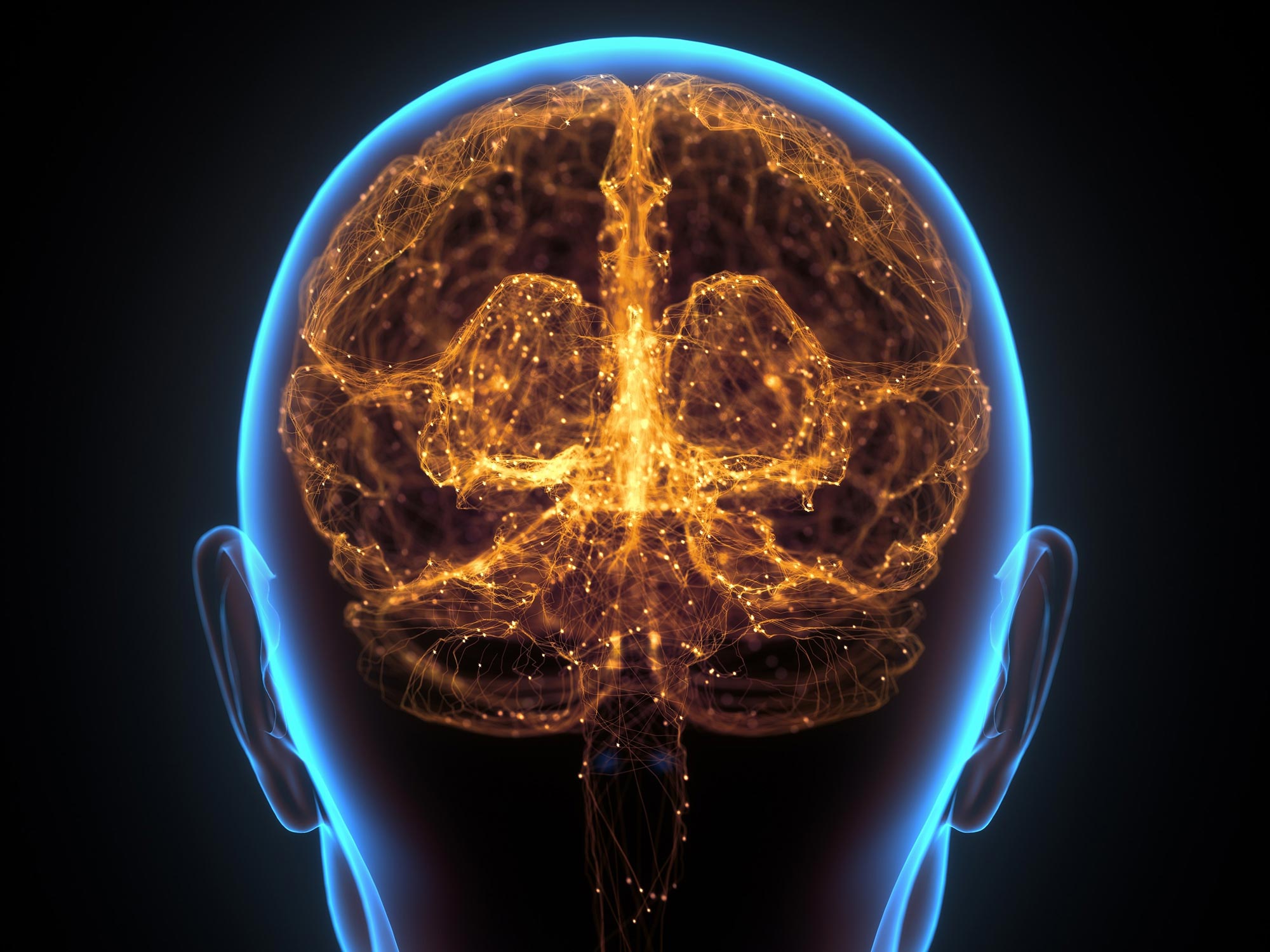
    The University of Bath study on 124 mammals shows that significant size differences between sexes correlate with larger olfactory gene families and smaller brain development gene families. This indicates different evolutionary investments based on sexual size dimorphism, influencing behaviors and mating strategies. Future research will focus on the role of testes size in genome evolution.

    New research led by the University of Bath in the UK suggests that mammals with more advanced brain development tend to exhibit smaller size differences between males and females within the species.

    In many mammal species, males are often larger than females (or vice versa), a characteristic known as sexual size dimorphism (SSD). For instance, male elephant seals are about three times the size of females. In contrast, dolphins exhibit no size difference between sexes. Humans fall somewhere in between, with the average male being larger than the average female, though there is considerable overlap across the population.

    To understand how this trait is associated with genome evolution, scientists from the Milner Centre for Evolution at the University of Bath in the UK looked at similarities between the genomes of 124 species of mammals.

    They grouped the genes into families of similar functions and measured the size of these gene families. They found that those species with a big difference in size between the sexes had bigger gene families linked to olfactory functions (sense of smell) and smaller gene families associated with brain development.

    Therefore, this could also mean that those species with very little difference in sizes between males and females (termed monomorphic) had bigger gene families associated with brain development.

    Implications of Gene Family Size

    Publishing in Nature Communications, the authors suggest that in species with a large SSD, traits such as the sense of smell could be important for identifying mates and territories.

    In contrast, mammals with a smaller SSD are potentially investing in their brain development and tend to have more complex social structures. This means they compete for mates using other means than simply using size to select who to breed with.

    Dr Benjamin Padilla-Morales, from the Milner Centre for Evolution at the University of Bath led the research. He said: “We were surprised to see such a strong statistical link between a large SSD and expanded gene families for olfactory function. Even more interestingly, the gene families under contraction were linked with brain development.

    “This could mean that those species with a small SSD have bigger gene families associated with brain function and tend to show more complex behaviors such as biparental care and monogamous breeding systems.

    “It shows that while size in some species is an important sexual selection pressure for evolution, for others it doesn’t matter so much.

    “It makes us ask the question how traits like SSD are shaping the evolution of our brains and genomes.”

    In future work, the researchers want to investigate how testes size impacts the evolution of mammals’ genomes.

    Reference: “Sexual size dimorphism in mammals is associated with changes in the size of gene families related to brain development” by Benjamin Padilla-Morales, Alin P. Acuña-Alonzo, Huseyin Kilili, Atahualpa Castillo-Morales, Karina Díaz-Barba, Kathryn H. Maher, Laurie Fabian, Evangelos Mourkas, Tamás Székely, Martin-Alejandro Serrano-Meneses, Diego Cortez, Sergio Ancona and Araxi O. Urrutia, 24 July 2024, Nature Communications.
    DOI: 10.1038/s41467-024-50386-x

    Never miss a breakthrough: Join the SciTechDaily newsletter.
    Follow us on Google and Google News.

    Brain Evolutionary Biology Neuroscience University of Bath
    Share. Facebook Twitter Pinterest LinkedIn Email Reddit

    Related Articles

    This 550-Million-Year-Old Creature May Already Have Had a Brain

    Researchers Discover Brain Growth Trigger Found Only in Humans

    New Research Could Link Evolution of Complex Life to Genetic “Dark Matter”

    Scientists Unravel the Mystery of “Junk” Genes That Are Key to Brain Development

    Scientists Homing In on a Cure for Parkinson’s Disease

    New Insight on CLOCK Gene May Hold Answers to Human Brain Evolution

    Evolutionary Changes Surrounding the NOS1 Gene

    Mother’s Nurturing Results in Larger Hippocampus in Children

    Neuroscientists Study Cortical Areas Specialized in Processing Visual Inputs in Mice

    Leave A Reply Cancel Reply

    • Facebook
    • Twitter
    • Pinterest
    • YouTube

    Don't Miss a Discovery

    Subscribe for the Latest in Science & Tech!

    Trending News

    The Human Family Tree May Need a Major Rewrite

    Scientists Find a Surprising Cancer-Fighting Effect in Dark Sweet Cherries

    New AI Detects Hidden Warning Signs of Solar Eruptions Hours Before They Emerge

    Scientists Discover an Unexpected Mental Health Benefit of Ozempic

    Paleontologists Spent 20 Years Dating Thousands of Fossils – Here’s What They Found

    Scientists Discover a “New” Frog That Was Hiding in Plain Sight for 100 Years

    Earth’s Inner Core May Hide a Strange State of Matter

    The Brain Makes New Neurons Even in Adulthood. Depression May Stop It

    Follow SciTechDaily
    • Facebook
    • Twitter
    • YouTube
    • Pinterest
    • Newsletter
    • RSS
    SciTech News
    • Biology News
    • Chemistry News
    • Earth News
    • Health News
    • Physics News
    • Science News
    • Space News
    • Technology News
    Recent Posts
    • Researchers Discover a Gut Microbe Metabolite That Supercharges Cancer Immunotherapy
    • How Often You Exercise May Matter More Than How Hard You Work Out for Mental Health
    • NASA’s Curiosity Rover Discovers a Strange “Honeycomb” Landscape on Mars
    • Mercury Isn’t What Scientists Thought: New Study Reveals a Surprisingly Different Surface
    • A New Human Organ Chip Reveals How Cancer Invades the Body
    Copyright © 1998 - 2026 SciTechDaily. All Rights Reserved.
    • Science News
    • About
    • Contact
    • Editorial Board
    • Privacy Policy
    • Terms of Use

    Type above and press Enter to search. Press Esc to cancel.