
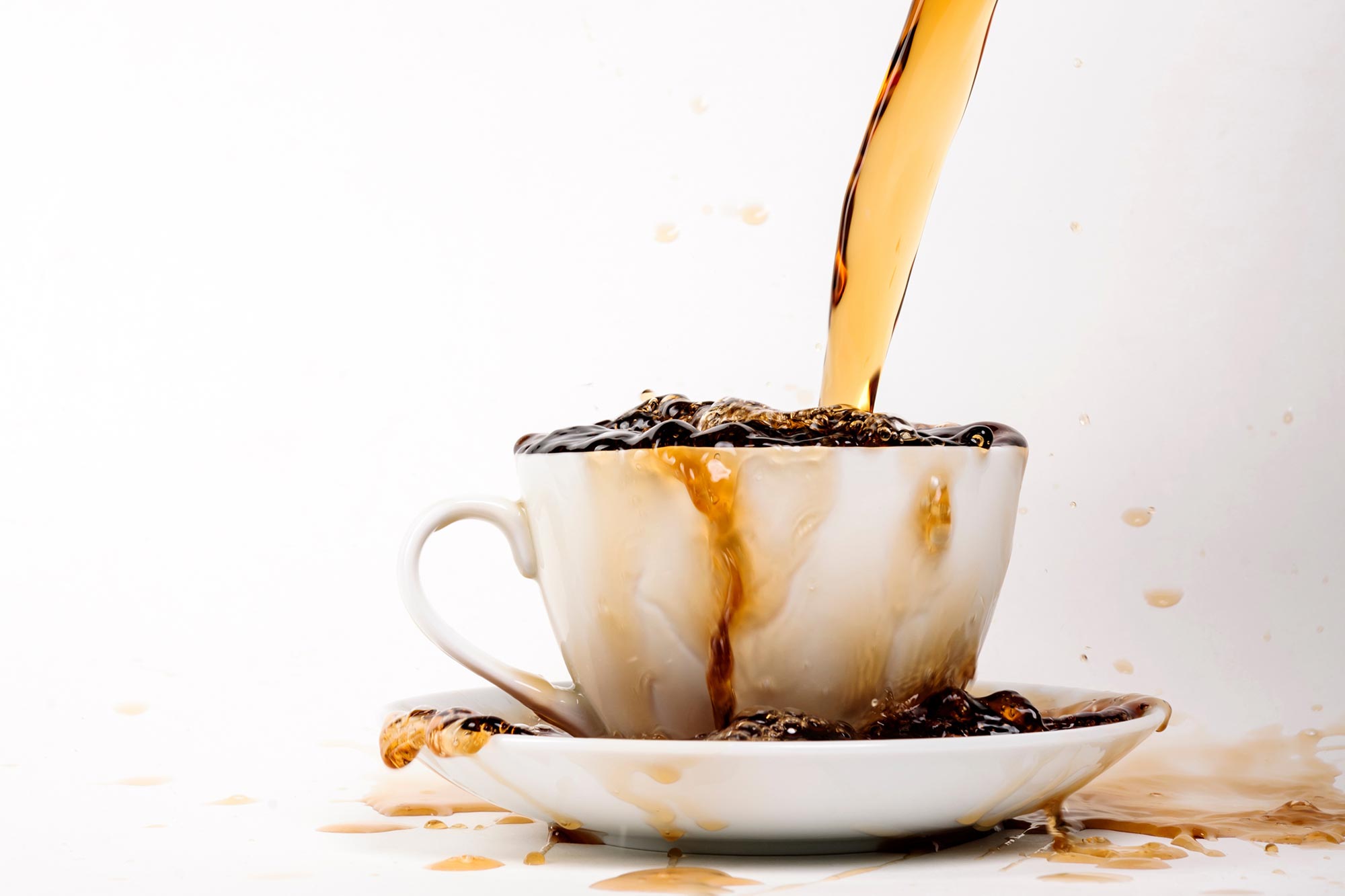
According to scientists at the FDA, caffeine can be part of a healthy diet for most people, but too much caffeine may pose a danger to your health.
Do you drink just one cup of coffee or tea first thing in the morning, hoping the caffeine in it will jump-start your day? Do you follow it up with a caffeinated beverage or two and then drink several more cups of coffee throughout the day?
Does it matter?
According to scientists at the FDA, caffeine can be part of a healthy diet for most people, but too much caffeine may pose a danger to your health. Depending on factors such as body weight, medications you may take, and individual sensitivity, “too much” can vary from person to person.
Learn more about caffeine in the following questions and answers.
1. Which kinds of foods and beverages contain caffeine?
Caffeine can be found naturally in the plants we use to make coffee, tea and chocolate. It’s also found in some plants used as flavorings, such as guarana, or alternative teas popular in South America, such as yerba mate (Ilex paraguariensis) and Ilex guayusa.
Caffeine may also be added as an ingredient to foods and beverages.
Is it okay for kids to consume energy drinks that contain caffeine?
Energy drinks can have more than twice the caffeine in an equal amount of coffee. The American Academy of Pediatrics has stated that “there is heightened awareness of the risks of caffeine use, abuse, and even toxicity in children and adolescents.”* Consult your health care provider for advice regarding your child’s caffeine consumption.
*Sports Drinks and Energy Drinks for Children and Adolescents: Are They Appropriate? American Academy of Pediatrics June 2011
2. How do you know how much caffeine a food or beverage contains?
Many packaged foods, including beverages and dietary supplements containing caffeine, voluntarily provide information on the label as to how much caffeine they contain. Consumers should take care when consuming for the first time a new packaged food containing added caffeine if the amount of caffeine in the food is not declared on the label.
There are several online databases that provide estimates of caffeine content of certain foods and beverages such as coffee and tea. However, the amount in these brewed beverages can vary depending on such factors as how and where the coffee beans and tea leaves were grown and processed and how the beverage product is prepared.
For reference, a 12-ounce can of a caffeinated soft drink typically contains 30 to 40 milligrams of caffeine, an 8-ounce cup of green or black tea 30-50 milligrams, and an 8-ounce cup of coffee closer to 80 to 100 milligrams. Caffeine in energy drinks can range from 40-250 mg per 8 fluid ounces.
3. If a coffee or tea says “decaffeinated,” does that mean it contains no caffeine?
No. Decaf coffees and teas have less caffeine than their regular counterparts, but they still contain some caffeine. For example, decaf coffee typically has 2-15 milligrams in an 8-ounce cup. If you react strongly to caffeine in a negative way, you may want to avoid these beverages altogether.
4. How much caffeine is too much?
For healthy adults, the FDA has cited 400 milligrams a day—that’s about four or five cups of coffee—as an amount not generally associated with dangerous, negative effects. However, there is wide variation in both how sensitive people are to the effects of caffeine and how fast they metabolize it (break it down).
Certain conditions tend to make people more sensitive to caffeine’s effects, as can some medications. In addition, if you’re pregnant, trying to become pregnant, or breastfeeding, or are concerned about another condition or medication, we recommend talking to your healthcare provider about whether you need to limit caffeine consumption.
The FDA has not set a level for children, but the American Academy of Pediatrics discourages the consumption of caffeine and other stimulants by children and adolescents.
5. How do you know if you’ve consumed more caffeine than you can tolerate?
Over-consuming caffeine can cause:
- insomnia
- jitters
- anxiousness
- fast heart rate
- upset stomach
- nausea
- headache
- a feeling of unhappiness (dysphoria)
6. Does caffeine pose a danger to your health?
The FDA estimates toxic effects, like seizures, can be observed with rapid consumption of around 1,200 milligrams of caffeine, or 0.15 tablespoons of pure caffeine.
Pure and highly concentrated caffeine products present a significant public health threat and have contributed to at least two deaths in the United States. The FDA has taken action to protect consumers from these products.
These products, often labeled as dietary supplements, consist of pure or highly concentrated caffeine in powder or liquid forms and are often marketed in bulk packaging with up to thousands of servings per container, requiring the consumer to measure out a safe serving from what can be a toxic or even lethal amount of bulk product.
The risk of caffeine overdose increases as the concentration of caffeine in the product increases, meaning even small dosages of a highly concentrated product could lead to dangerous effects. Just one teaspoon of pure powdered caffeine can contain the same amount of caffeine as 28 cups of coffee, and a half cup of a liquid highly concentrated caffeine product contains the equivalent of more than 20 cups of coffee. These are toxic amounts that can have serious health consequences, including death.
7. Is drinking a lot of caffeine a substitute for sleep?
No. Caffeine is a stimulant, which may cause you to be more alert and awake, but it is not a substitute for sleep. Typically, it can take 4 to 6 hours for your body to metabolize half of what you consumed. So, a cup of coffee at dinner may keep you awake at bedtime.
8. How can I cut back on caffeine without causing unpleasant side effects?
If you’re used to drinking caffeine-containing beverages every day, and want to cut back, it’s best to do so gradually. Stopping abruptly can cause withdrawal symptoms such as headaches, anxiety, and nervousness. Unlike opioid or alcohol withdrawal, caffeine withdrawal is not considered dangerous, but it can be unpleasant. You may want to talk to your healthcare provider about how to cut back.
Never miss a breakthrough: Join the SciTechDaily newsletter.
Follow us on Google and Google News.