
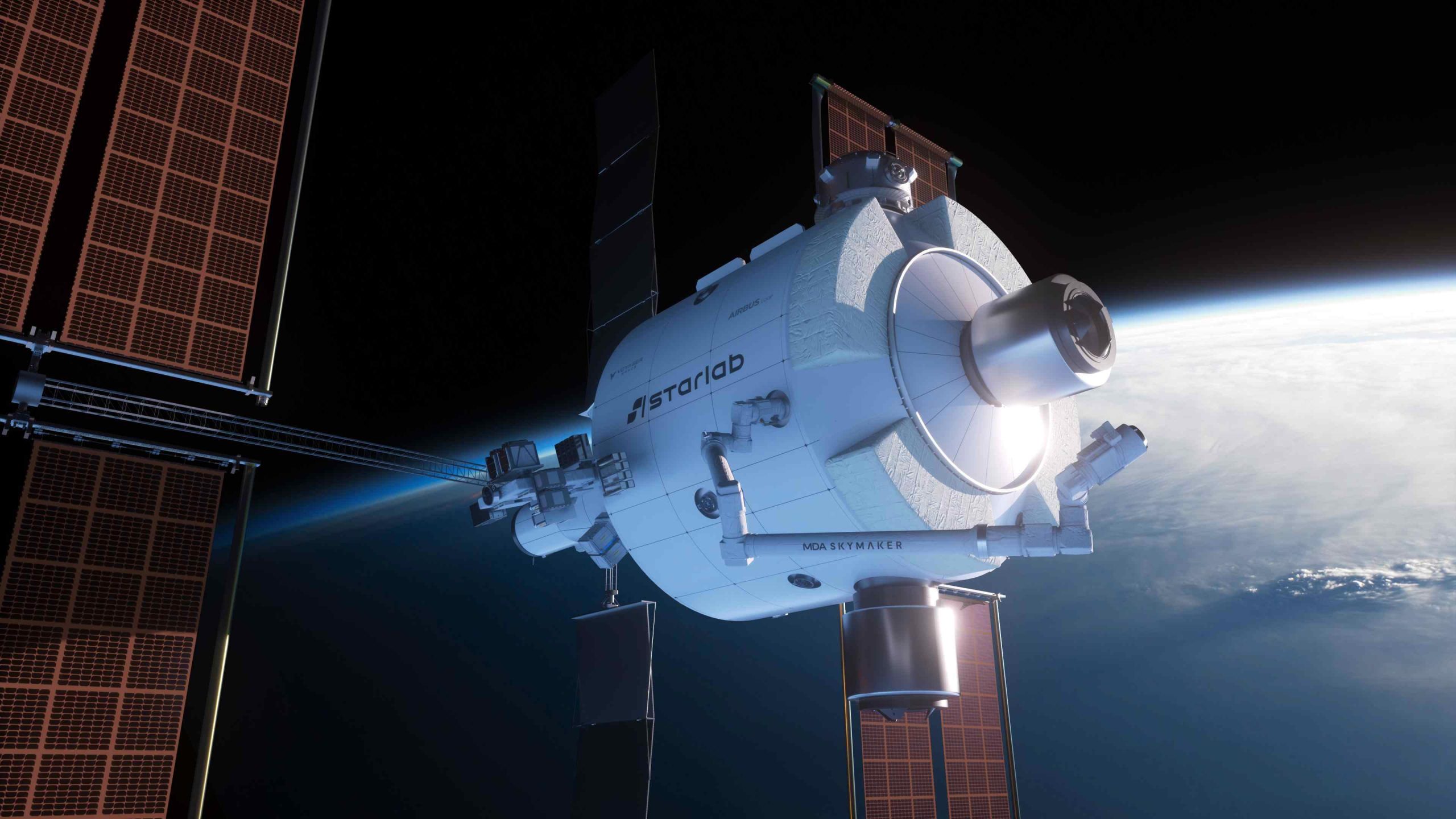
Starlab has completed critical milestones including design reviews and testing plans for its commercial space station components, under NASA’s oversight.
The station will launch in one flight, aiming to offer a new venue for low Earth orbit activities as NASA transitions away from the International Space Station.
Milestone Achievements in Starlab’s Development
Starlab, a NASA-funded commercial space station, has completed four major development milestones, signaling significant progress in its design and operational readiness.
These milestones are part of a 2021 NASA Space Act Agreement and cover critical areas such as the preliminary design of the habitat’s structural test article, systems integration, integrated operations, and a structural test plan for the station’s habitat module.
“These milestone achievements are great indicators to reflect Starlab’s commitment to the continued efforts and advancements of their commercial destination,” said Angela Hart, program manager for NASA’s Commercial Low Earth Orbit Development Program. “As we look forward to the future of low Earth orbit, every successful milestone is one step closer to creating a dynamic and robust commercialized low Earth orbit.”
Design and Testing Protocols
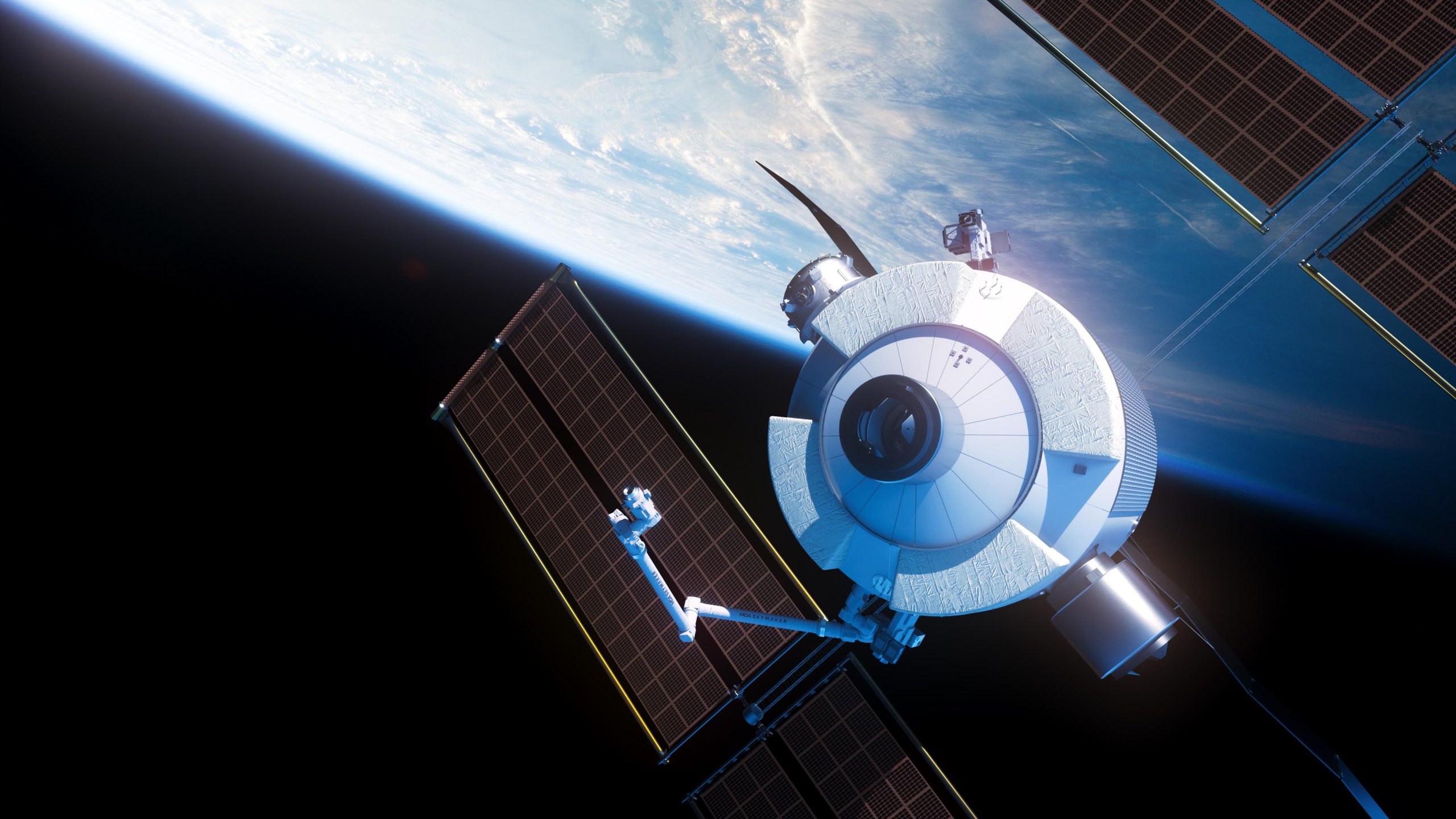
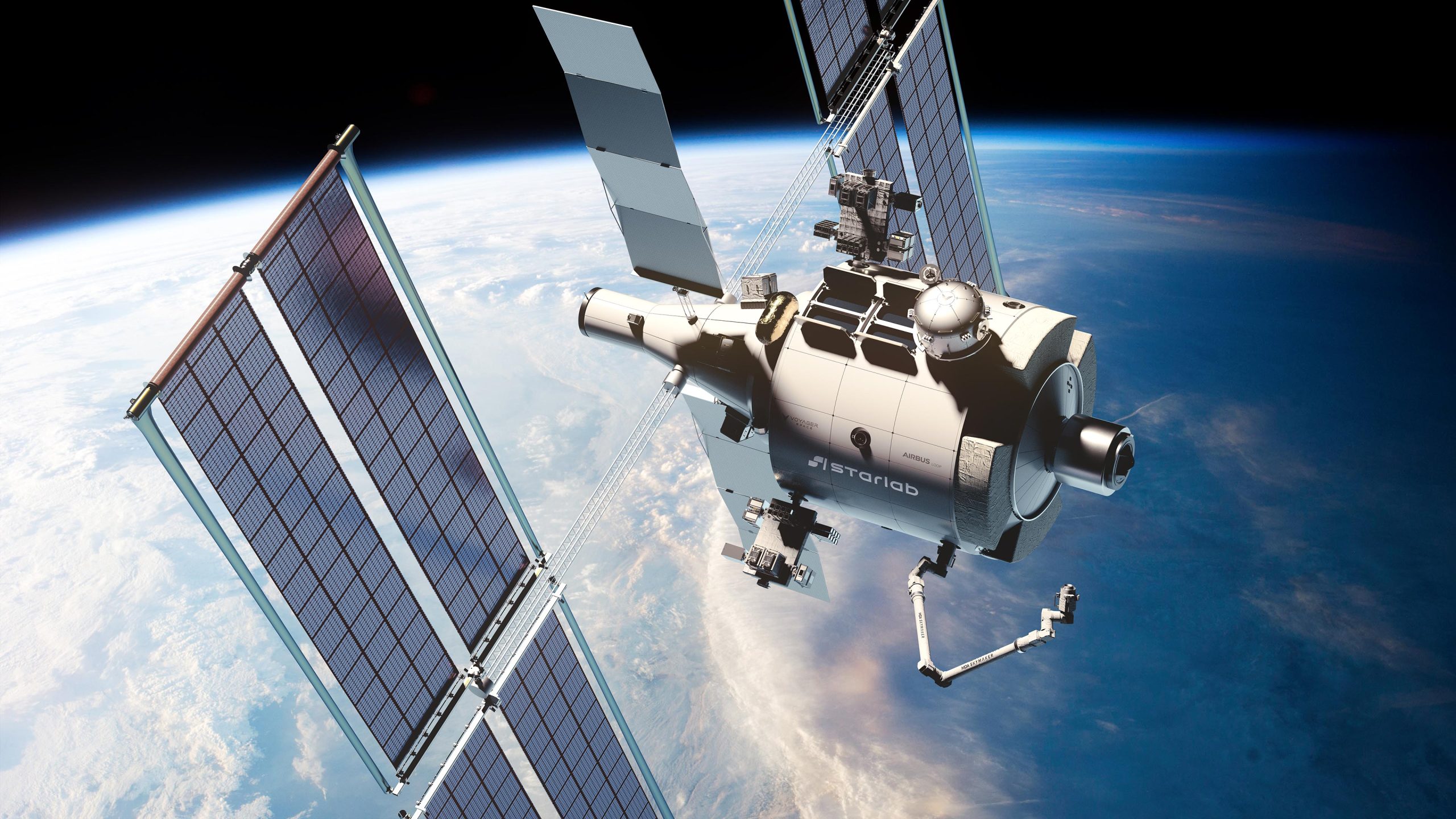
Starlab is designed for a single-launch deployment. Its core includes a large habitation and laboratory module, supported by a smaller service module providing power and propulsion.
Earlier this year, Starlab Space completed a structural test article preliminary design review, supported by NASA. The structural test article is an engineering development unit of the station’s habitation module, which is where astronauts will spend most of their time living and working aboard the future commercial destination. An engineering development unit is a physical model that is used to test and verify the design of a project, such as a space station.
Starlab also recently shared a test plan for the structural test article, which included defining qualification tests of the development unit from welding verifications to proof pressure and static load testing, among others. During proof pressure tests, a spacecraft component or system is pressurized to a significantly higher than normal operating pressure to verify its structural integrity, and a static load test measures the response of a component or system under an applied load.
Integration and Safety Reviews
In addition, Starlab completed integration operations and systems integration reviews. These reviews included updates on system and station architecture, segment interfaces, and program goals, as well as a comprehensive look into the program’s requirements.
Starlab also is set to complete a preliminary design review and phase 1 safety review by the end of the year. This review is meant to demonstrate that the station’s design meets system requirements, including human spaceflight verification, with acceptable risk. The safety review will summarize the current design and general safety approach for the destination.
NASA’s Strategy and Future Plans
NASA is supporting the design and development of multiple commercial space stations, including Starlab, through funded and unfunded agreements. The current design and development phase will be followed by the procurement of services from one or more companies, where NASA aims to be one of many customers for low Earth orbit destinations.
NASA’s low Earth orbit microgravity strategy builds on the agency’s extensive human spaceflight experience to advance future scientific and exploration goals. As the International Space Station nears the end of operations, NASA plans to transition to a new low Earth orbit model to continue leveraging microgravity benefits. Through commercial partnerships, NASA aims to maintain its leadership in microgravity research and ensure continued benefits for humanity.
Never miss a breakthrough: Join the SciTechDaily newsletter.
Follow us on Google and Google News.