
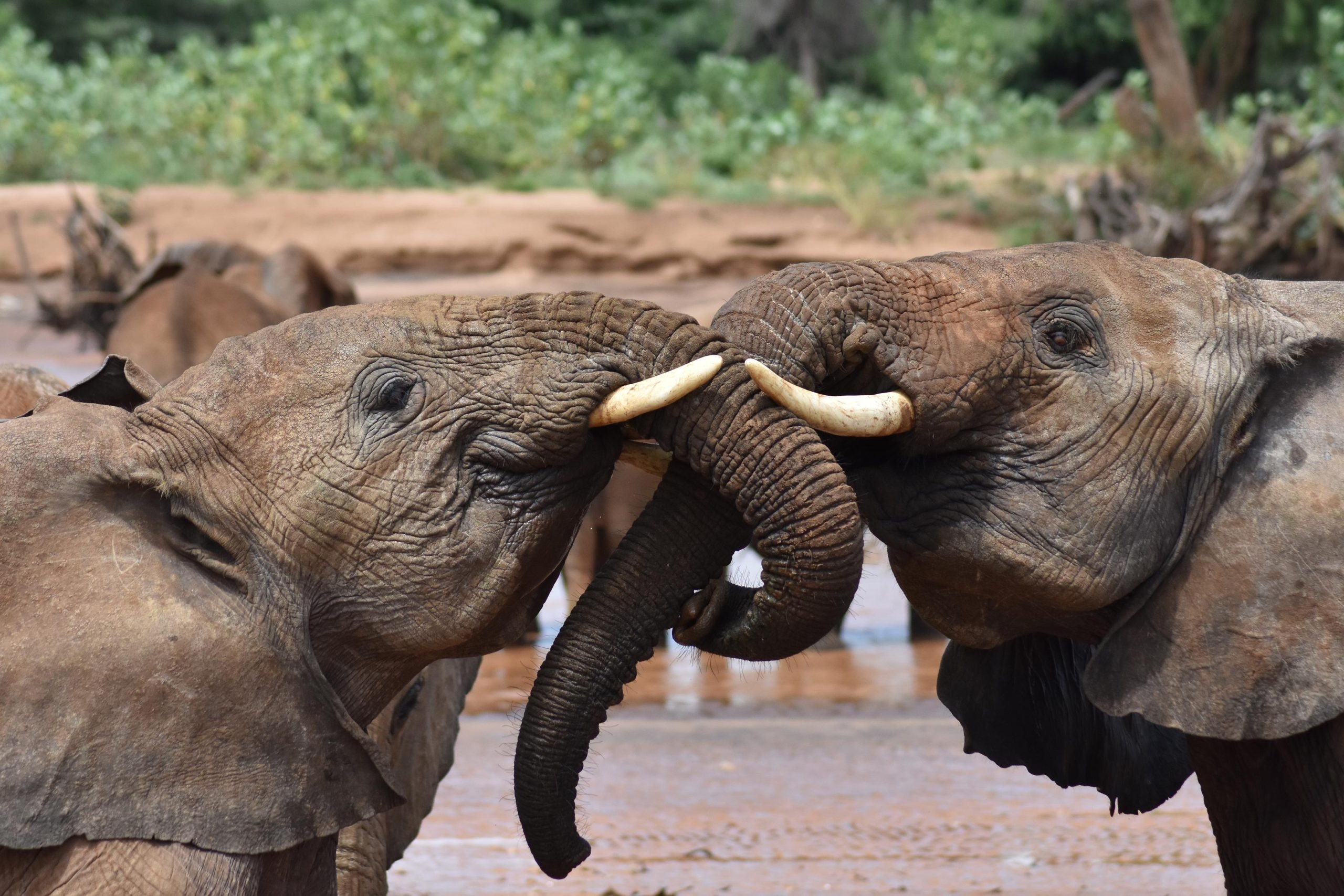
Elephants communicate using specific calls that function like names, indicating complex social behavior and advanced cognitive abilities.
Wild African elephants address each other with name-like calls, a rare ability among nonhuman animals, according to new research published in Nature Ecology and Evolution.
In the study, researchers from Colorado State University, Save the Elephants, and ElephantVoices used machine learning to confirm that elephant calls contained a name-like component identifying the intended recipient, a behavior they suspected based on observation. When the researchers played back recorded calls, elephants responded affirmatively to calls that were addressed to them by calling back or approaching the speaker. Calls meant for other elephants received less of a reaction.
Unique Vocal Identification Among Elephants
“Dolphins and parrots call one another by ‘name’ by imitating the signature call of the addressee,” said lead author Michael Pardo, who conducted the study as an NSF postdoctoral researcher at CSU and Save the Elephants, a research and conservation organization based in Kenya. “By contrast, our data suggest that elephants do not rely on imitation of the receiver’s calls to address one another, which is more similar to the way in which human names work.”
The ability to learn to produce new sounds is uncommon among animals but necessary for identifying individuals by name. Arbitrary communication – where a sound represents an idea but does not imitate it – greatly expands communication capability and is considered a next-level cognitive skill.

“If all we could do was make noises that sounded like what we were talking about, it would vastly limit our ability to communicate,” said co-author George Wittemyer, a professor in CSU’s Warner College of Natural Resources and chairman of the scientific board of Save the Elephants.
Wittemyer said that the use of arbitrary vocal labels indicates that elephants may be capable of abstract thought.
Social Dynamics and Evolutionary Insights
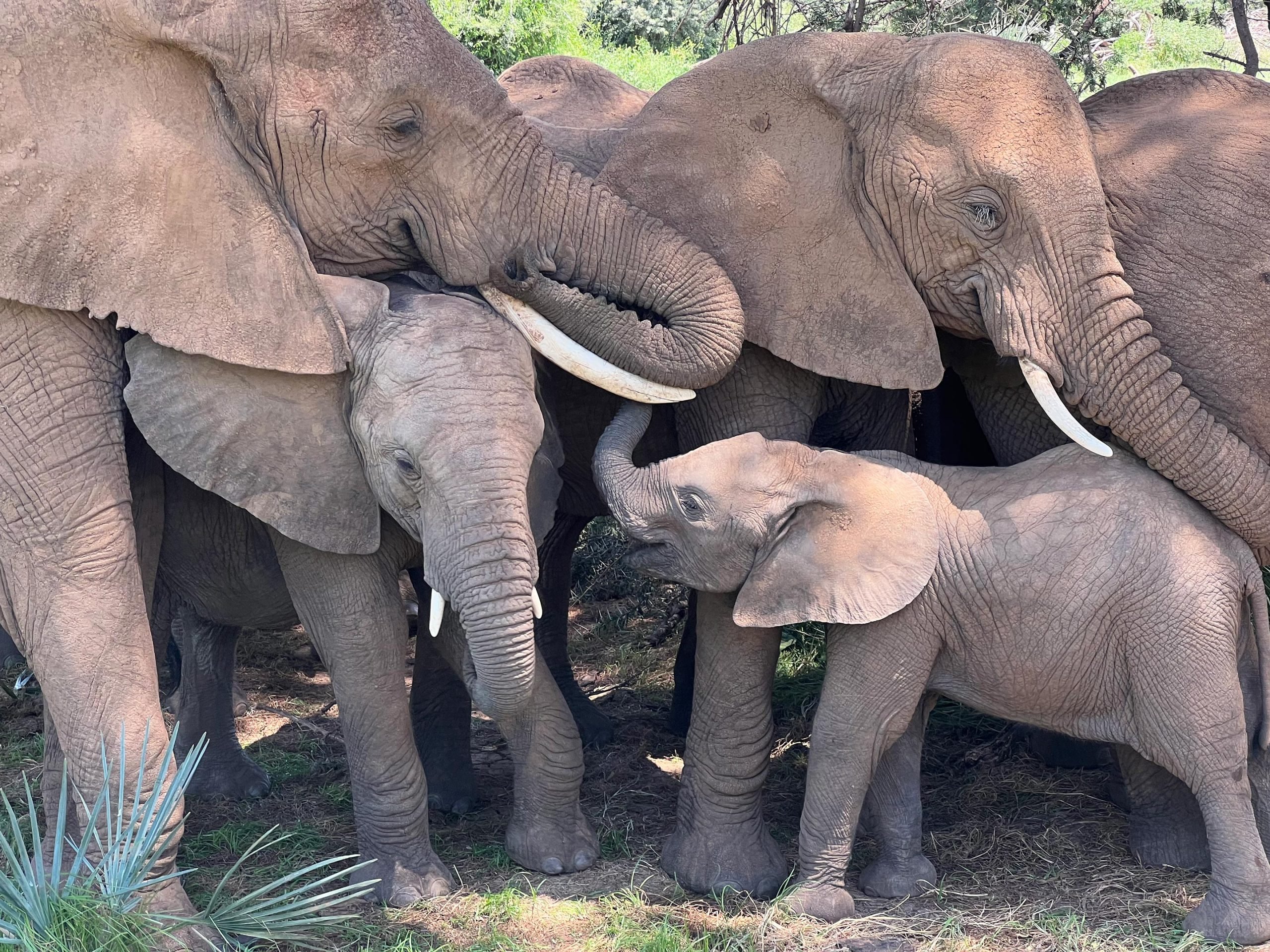
Elephant and human evolution diverged tens of millions of years ago, but both species are socially complex and highly communicative. Elephants function within family units, social groups, and a larger clan structure similar to the complex social networks humans maintain.
Similar needs likely drove the development of arbitrary vocal labeling – the naming of other individuals with abstract sounds – in both species, the researchers proposed.
“It’s probably a case where we have similar pressures, largely from complex social interactions,” Wittemyer said. “That’s one of the exciting things about this study, it gives us some insight into possible drivers of why we evolved these abilities.”
Elephants are talkative, communicating with one another vocally in addition to sight, scent, and touch. Their calls convey a lot of information, including the caller’s identity, age, sex, emotional state, and behavioral context.
Analyzing Elephant Calls Through Technology
Vocalizations – from trumpeting to the low rumbling of their vocal cords – span a broad frequency spectrum, including infrasonic sounds below the audible range of the human ear. Elephants can coordinate group movements over long distances using these calls.
Kurt Fristrup, a research scientist in CSU’s Walter Scott, Jr. College of Engineering, developed a novel signal processing technique to detect subtle differences in call structure, and Fristrup and Pardo trained a machine-learning model to correctly identify which elephant a call was addressed to based only on its acoustic features.
“Our finding that elephants are not simply mimicking the sound associated with the individual they are calling was the most intriguing,” Fristrup said. “The capacity to utilize arbitrary sonic labels for other individuals suggests that other kinds of labels or descriptors may exist in elephant calls.”
Behavioral Responses to Vocal Playbacks
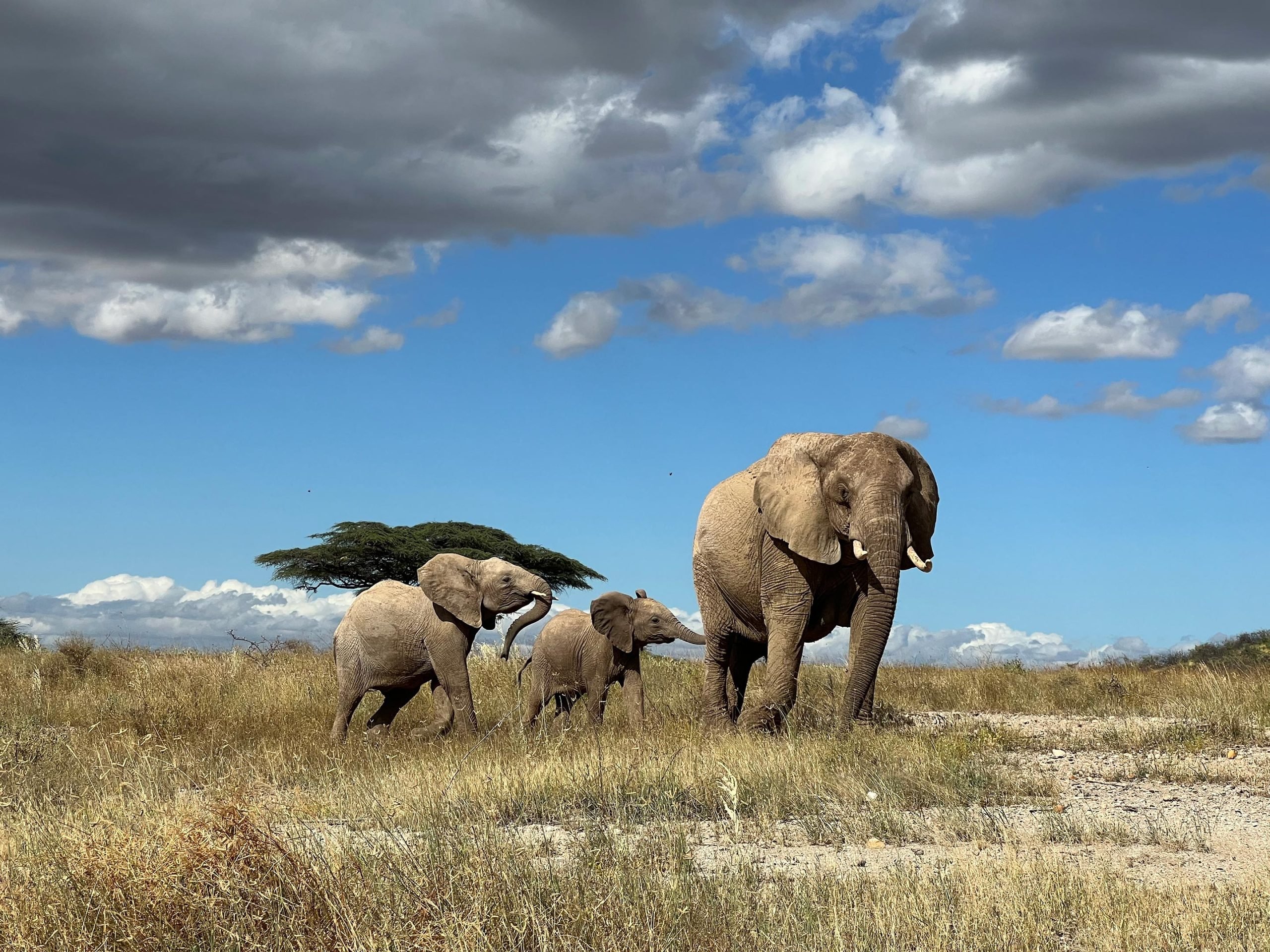
Elephants are expressive animals, Wittemyer said, and their reactions are easy to read to those familiar with them. When the researchers played back samples, the elephants responded “energetically” and positively to recordings of their friends and family members calling to them but did not react enthusiastically or move toward calls directed to others, demonstrating that they recognized their names.
How did the elephants react when they discovered they’d been prank-called?
“They were probably temporarily confused by the playback but eventually just dismissed it as a strange event and went on with their lives,” said Pardo, now at Cornell University.
The study also found that elephants, like people, don’t always address each other by name in conversation. Calling an individual by name was more common over long distances or when adults were talking to calves.
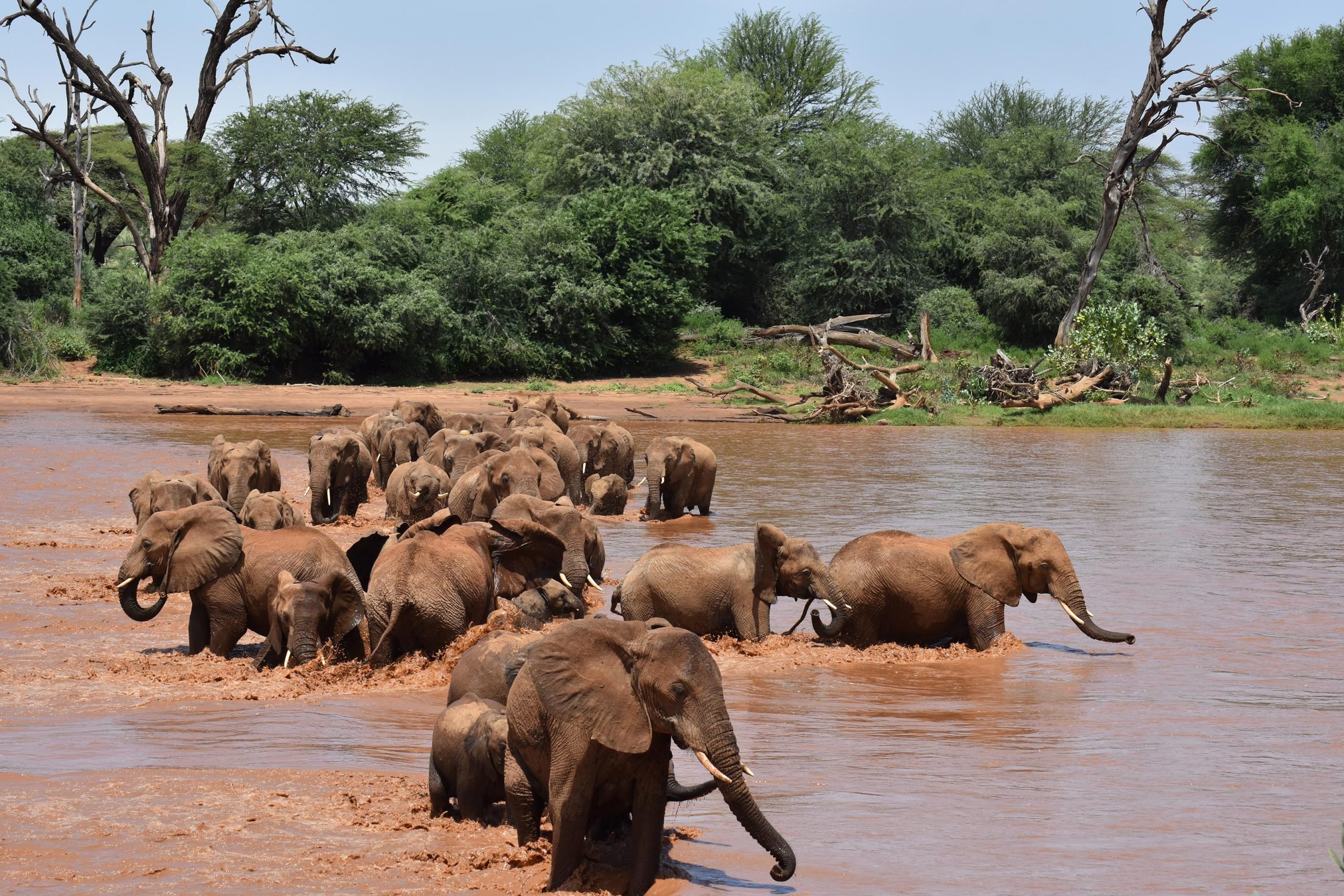
The research spanned four years and included 14 months of intensive fieldwork in Kenya, following elephants in a vehicle and recording their vocalizations. About 470 distinct calls were captured from 101 unique callers corresponding with 117 unique receivers in Samburu National Reserve and Amboseli National Park.
Future Directions in Elephant Communication
The scientists said much more data is needed to isolate the names within the calls and determine whether elephants name other things they interact with, like food, water, and places.
“Unfortunately, we can’t have them speak into microphones,” Wittemyer said, noting the barriers to collecting sufficient data.
New insights into elephant cognition and communication revealed by the study strengthen the case for their conservation, the researchers said. Elephants are classified as endangered, due to poaching for their ivory tusks and habitat loss from development. Because of their size, they need a lot of space and can be destructive to property and hazardous to people.
While conversing with pachyderms remains a distant dream, Wittemyer said that being able to communicate with them could be a game-changer for their protection.
“It’s tough to live with elephants, when you’re trying to share a landscape and they’re eating crops,” Wittemyer said. “I’d like to be able to warn them, ‘Do not come here. You’re going to be killed if you come here.’”
Reference: “African elephants address one another with individually specific name-like calls” by Michael A. Pardo, Kurt Fristrup, David S. Lolchuragi, Joyce H. Poole, Petter Granli, Cynthia Moss, Iain Douglas-Hamilton and George Wittemyer, 10 June 2024, Nature Ecology & Evolution.
DOI: 10.1038/s41559-024-02420-w
Never miss a breakthrough: Join the SciTechDaily newsletter.
Follow us on Google and Google News.
3 Comments
Which one’s named “Well Hung”?
Fascinating for sure. Such a shame they will soon exist only on film and photo.
So, it was them that named the flying one “Dumbo”? I always thought Disney made that up.