
Risk seems to be linear in women who’ve not yet gone through the menopause.
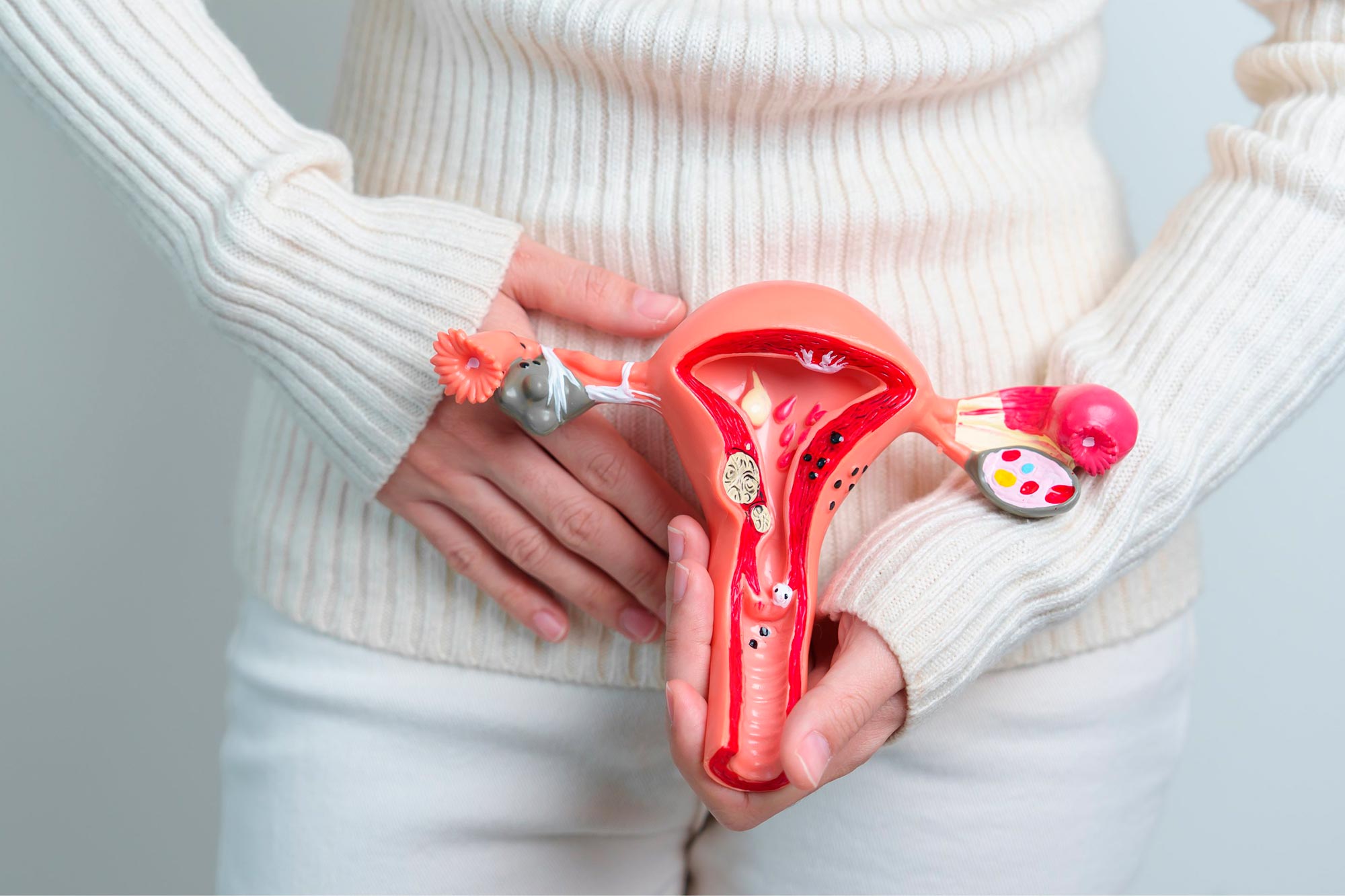
Clocking up 6 or more hours of sedentary leisure time every day may double a woman’s risk of uterine fibroids before she’s gone through menopause, suggests research published in the open-access journal BMJ Open.
The risk of these benign, but potentially large and painful, womb growths seems to rise in tandem with the amount of time spent sitting or lying down during the day, the findings suggest.
Prevalence and Symptoms of Uterine Fibroids
Uterine fibroids are the most common benign tumors in women of childbearing age, varying in prevalence from 4.5% to 69%, say the researchers.
These growths may not produce any symptoms, but they may also be associated with abnormal bleeding, pelvic and abdominal pain, and infertility, among other things, they add.
Sedentary behavior is associated with tumors that rely on the female hormone estrogen, such as endometrial, ovarian, and breast cancers; uterine fibroids are also fuelled by estrogen.
Study Design and Methodology
The researchers therefore wanted to find out if there might be a link between extensive sedentary leisure time and the risk of uterine fibroids.
They drew on the Yunnan cohort of the China Multi-Ethnic Cohort Study, which is a prospective community-based long-term study in southwest China, involving 99,556 participants from five provinces.
The final study sample included 6623 women aged 30 to 55 who had not yet gone through the menopause.
Basic background information was collected from each of the women. This included menstrual/reproductive history, number of children and age at first birth, contraceptive use, sedentary leisure time, physical activity, diet, height, and weight.
The average ages when periods first started and when giving birth for the first time were 13-16 and 20–24, respectively, and nearly 84% had more than two children.
Sedentary behavior was classified as 1.5 or fewer metabolic equivalent of task (MET) hours/day when sitting or lying down. METs express how much energy in calories is expended per hour of physical activity.
Participants were asked to specify how much time they spent playing board games, on screen time, reading, knitting, and other similar activities and were then divided into four sedentary leisure time groups: under 2 hours/day; 2–3.99 hours/day; 4–5.99 hours/day; and 6 or more hours/day.
Findings and Implications
Around 6 out of 10 (61%) of the women clocked up 2–3.99 hours/day of sedentary leisure time.
In all, 562 (8.5%) of the women had uterine fibroids, the prevalence of which increased with age. Rates were highest (2.5 times higher) among those aged 50 and older.
Weight (BMI), number of live births (more than 2), menstrual status, time since last live birth (13-17 years onwards), physical activity, and sedentary leisure time were all associated with uterine fibroids.
But the more sedentary leisure time spent, the greater the risk of uterine fibroids seemed to be. And after accounting for potentially influential factors, sedentary leisure time of 6 or more hours a day was associated with a risk twice that of women who clocked up fewer than 2.
While sedentary leisure time wasn’t associated with the prevalence of fibroids in premenopausal women, it was associated with the prevalence of fibroids in perimenopausal women: the risk was 5 times higher among those who clocked up 6 or more sedentary leisure hours a day than it was in those who clocked up fewer than 2 hours.
Study Limitations and Theoretical Explanations
This is an observational study, and as such, can’t establish causal factors. And the study relied on subjective assessment for many of the factors, point out the researchers.
But one possible explanation for the observed associations might be that sedentary behavior is related to obesity, which is a risk factor for uterine fibroids, say the researchers. Both sedentary behavior and obesity increase the body’s estrogen level.
Other possible explanations include the known associations between sedentary behavior and metabolic disorders, chronic inflammation, and vitamin D deficiency, they suggest.
“This cross-sectional study, based on the natural population, showed that [sedentary leisure time] has a linear positive correlation with [uterine fibroids], indicating that [it] may be an independent risk factor,” they conclude.
Reference: “Association between leisure sedentary behaviour and uterine fibroids in non-menopausal women: a population-based study” by Yunrui Sun, Xiaoyu Han, Zhongxin Hou, Haoyuan Deng, Nan Cheng, Nishang Zhang, Jianghui Zhang, Yi Li, Qian Wang, Jianzhong Yin and Qiong Meng, 1 December 2023, BMJ Open.
DOI: 10.1136/bmjopen-2023-073592
Never miss a breakthrough: Join the SciTechDaily newsletter.
Follow us on Google and Google News.