
Close Menu
    Facebook X (Twitter) Instagram
    SciTechDaily
    • Biology
    • Chemistry
    • Earth
    • Health
    • Physics
    • Science
    • Space
    • Technology
    Facebook X (Twitter) Pinterest YouTube RSS
    SciTechDaily
    Home»Health»Study Uncovers Hidden Heart Risks Linked to Passive Heat Exposure
    Health

    Study Uncovers Hidden Heart Risks Linked to Passive Heat Exposure

    By American College of PhysiciansJune 10, 2024No Comments3 Mins Read
    Facebook Twitter Pinterest Telegram LinkedIn WhatsApp Email Reddit
    Share
    Facebook Twitter LinkedIn Pinterest Telegram Email Reddit
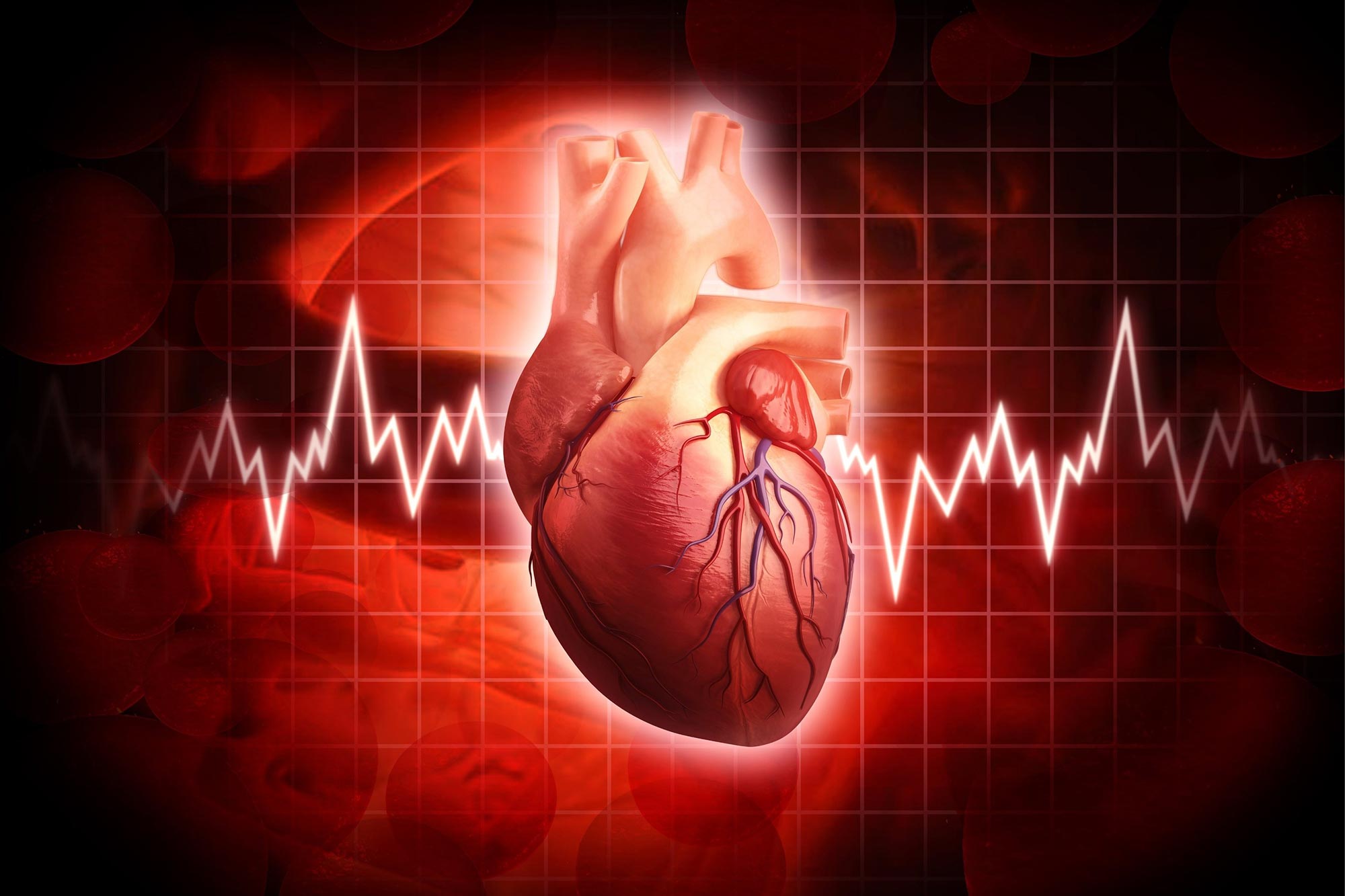
    Human Heart Cardiology Concept
    A controlled experiment with healthy young and older adults, as well as older adults with coronary artery disease, demonstrated that passive heat exposure significantly increases myocardial blood flow in all participants. This exposure led to asymptomatic heat-induced myocardial ischemia in some CAD patients. The findings underscore the need for these individuals to minimize cardiac strain during extreme heat conditions.

    A study reveals that heat exposure boosts myocardial blood flow and induces ischemia in some with coronary artery disease, suggesting high-risk individuals should avoid excessive heat.

    Researchers conducted a laboratory-controlled experiment including both healthy adults and adults with coronary artery disease (CAD). The results showed that passive heat exposure was enough to increase myocardial blood flow (MBF) in all participants, regardless of age and health status, creating significant stress on the heart.

    The scientists observed asymptomatic heat-induced myocardial ischemia in some participants with CAD, suggesting that these adults may benefit from minimizing cardiac strain during extreme heat by staying cool. The study was published today (June 10) in Annals of Internal Medicine.

    Experimental Design and Participant Demographics

    Researchers from the Montreal Heart Institute conducted an experimental study comprised of 20 healthy young adults, 21 healthy older adults, and 20 older adults with CAD to quantify the MBF requirements of heat exposure. In a laboratory setting, participants were heated until their core temperature increased 1.5 degrees Celsius (C), and their MBF was measured before exposure and at every increase of 0.5 degrees C to their core temperature.

    The investigators found that MBF increased in all participants when their body temperature increased by 1.5 degrees C. The authors additionally observed that 7 participants with CAD experienced asymptomatic heat-induced myocardial ischemia based on imaging evidence.

    Editorial Commentary and Implications

    An accompanying editorial from the Annals of Internal Medicine and the University of Pennsylvania Perelman School of Medicine puts the study findings in context. Given the global rise in average temperature, which has increased heat-related morbidity and mortality, identifying susceptible individuals, including those with obstructive coronary epicardial stenosis or microvascular dysfunction, is imperative.

    Heat exposure can cause significant stress on the heart leading to a supply-demand mismatch in vessels exhibiting flow-limiting disease. If sustained in time or potentially with repeated exposures, this can result in symptomatic or silent ischemia and explain, at least in part, the increased risk for adverse cardiovascular events observed with heat exposure in population studies.

    The authors advise that physicians counsel at-risk patients about the harms of excess temperature, including how to identify hyperthermia and the importance of adopting preventive measures.

    Reference: “Feeling the Heat: Cardiovascular Consequences of Heat Exposure Under Controlled Experimental Conditions” by Eliseo Guallar, MD, DrPH, Paco E. Bravo, MD and Victor A. Ferrari, MD 10 June 2024, Annals of Internal Medicine.
    DOI: 10.7326/M24-3504

    Never miss a breakthrough: Join the SciTechDaily newsletter.
    Follow us on Google and Google News.

    American College of Physicians Cardiology Heart
    Share. Facebook Twitter Pinterest LinkedIn Email Reddit

    Related Articles

    Millions of Americans Are Unknowingly at High Risk for Heart Failure

    Pfizer COVID-19 Vaccine Associated With Increased Risk of Carditis (Heart Inflammation)

    Frequent Drinking Worse Than Than Binge Drinking for Heart Rhythm Disorder

    Urgent Action in Children Required to Tackle Cardiovascular Deaths

    Beating Heart Patch Repairs Damage Caused by Heart Attack

    Smartphones Can Disrupt Pacemakers and Cause Painful Shocks

    Research Shows There Is a Medical Benefit to Reducing D2B Time

    UCLA Cardiologists Complete Their First Transcatheter Aortic Valve Replacement

    Survival Rates for Mitral Valve Surgery Patients Improve

    Leave A Reply Cancel Reply

    • Facebook
    • Twitter
    • Pinterest
    • YouTube

    Don't Miss a Discovery

    Subscribe for the Latest in Science & Tech!

    Trending News

    Collapsing Plasma May Hold the Key to Cosmic Magnetism

    This Breakthrough Solar Panel Generates Power From Both Sunlight and Raindrops

    Scientists Uncover New Metabolic Effects Beyond Weight Loss of Mounjaro

    Scientists Discover Cancer Tumors Are “Addicted” to This Common Antioxidant

    1,800 Miles Down: Scientists Uncover Mysterious Movements at the Edge of Earth’s Core

    Scientists Discover Hidden “Good Fats” in Green Rice That Could Transform Nutrition

    Your Child’s Clothes Could Contain Toxic Lead, Study Finds

    Researchers Break a 150-Year-Old Math Law With a Surprising Donut Discovery

    Follow SciTechDaily
    • Facebook
    • Twitter
    • YouTube
    • Pinterest
    • Newsletter
    • RSS
    SciTech News
    • Biology News
    • Chemistry News
    • Earth News
    • Health News
    • Physics News
    • Science News
    • Space News
    • Technology News
    Recent Posts
    • The Mystery of the Notes: Why No One Knows How This 120-Year-Old Song Should Sound
    • Scientists Discover 132-Million-Year-Old Dinosaur Tracks on South Africa’s Coast
    • Scientists Uncover the Secret Ingredient Behind the Spark That May Have Started Life on Earth
    • Natural Oils vs. Antibiotics: The Swine Study That Could Change Farming
    • The Biggest Volcanic Event in Earth’s History Transformed an Entire Oceanic Plate
    Copyright © 1998 - 2026 SciTechDaily. All Rights Reserved.
    • Science News
    • About
    • Contact
    • Editorial Board
    • Privacy Policy
    • Terms of Use

    Type above and press Enter to search. Press Esc to cancel.