
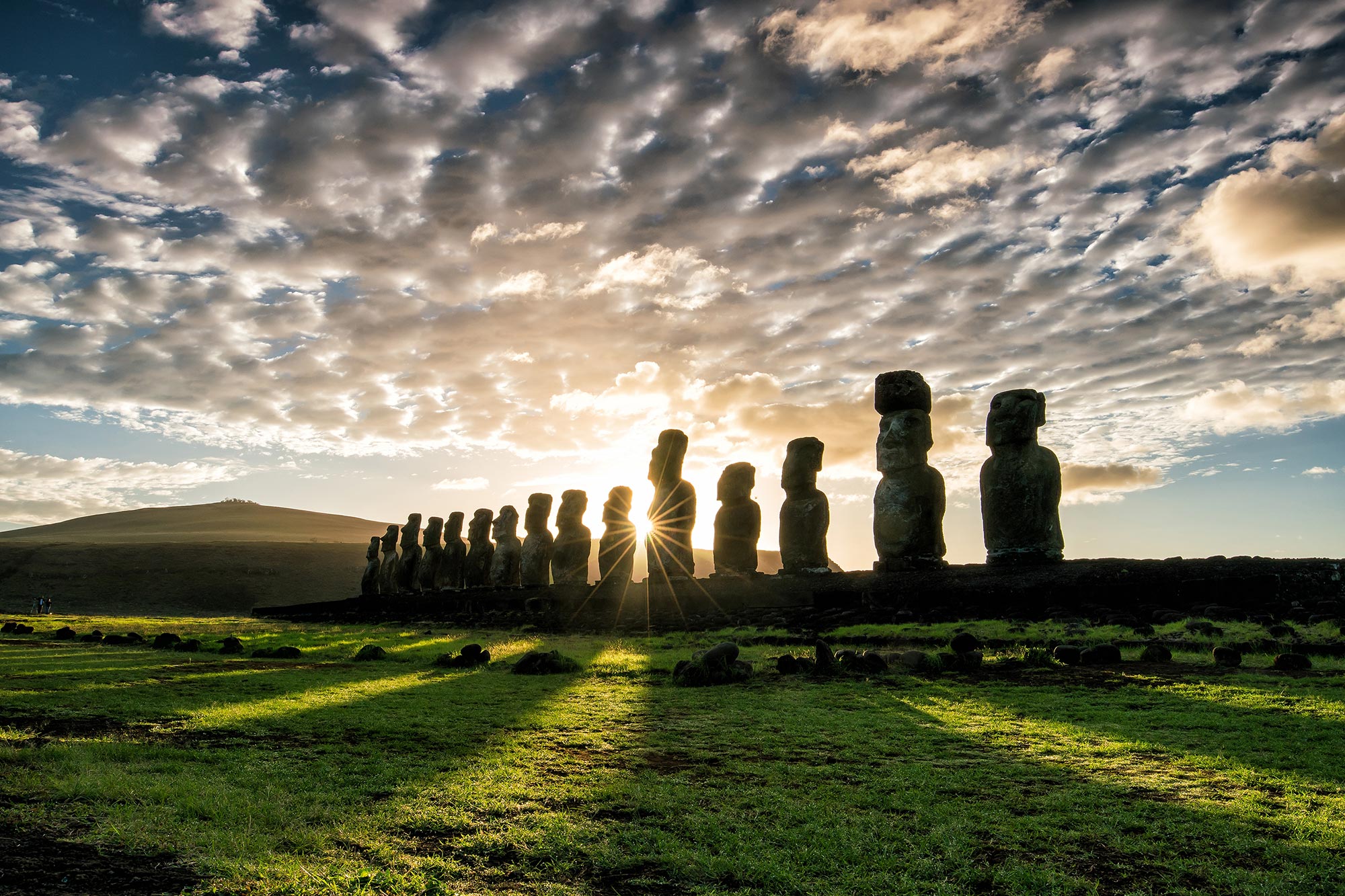
A sweeping 3D analysis of Rapa Nui’s main moai quarry shows that the island’s iconic statues weren’t produced by a single ruling authority, but by many small, independent groups working simultaneously.
Independent Carving Efforts Across Rapa Nui
A new study published today (November 26, 2025) in the open-access journal PLOS One reports that the well-known stone figures of Rapa Nui (Easter Island) were created by many separate groups rather than a single unified authority. The research, led by Carl Philipp Lipo of Binghamton University, New York and his colleagues, offers a fresh look at how these iconic monuments came to be.
The island is renowned for its hundreds of stone statues (moai), produced by Polynesian communities beginning in the 13th century. Archaeological discoveries have long pointed to a society made up of small, autonomous family groups instead of one centralized political system. This background has raised an important question about whether the same decentralized structure shaped how the moai were carved.
3D Mapping Reveals Dozens of Quarry Activity Centers
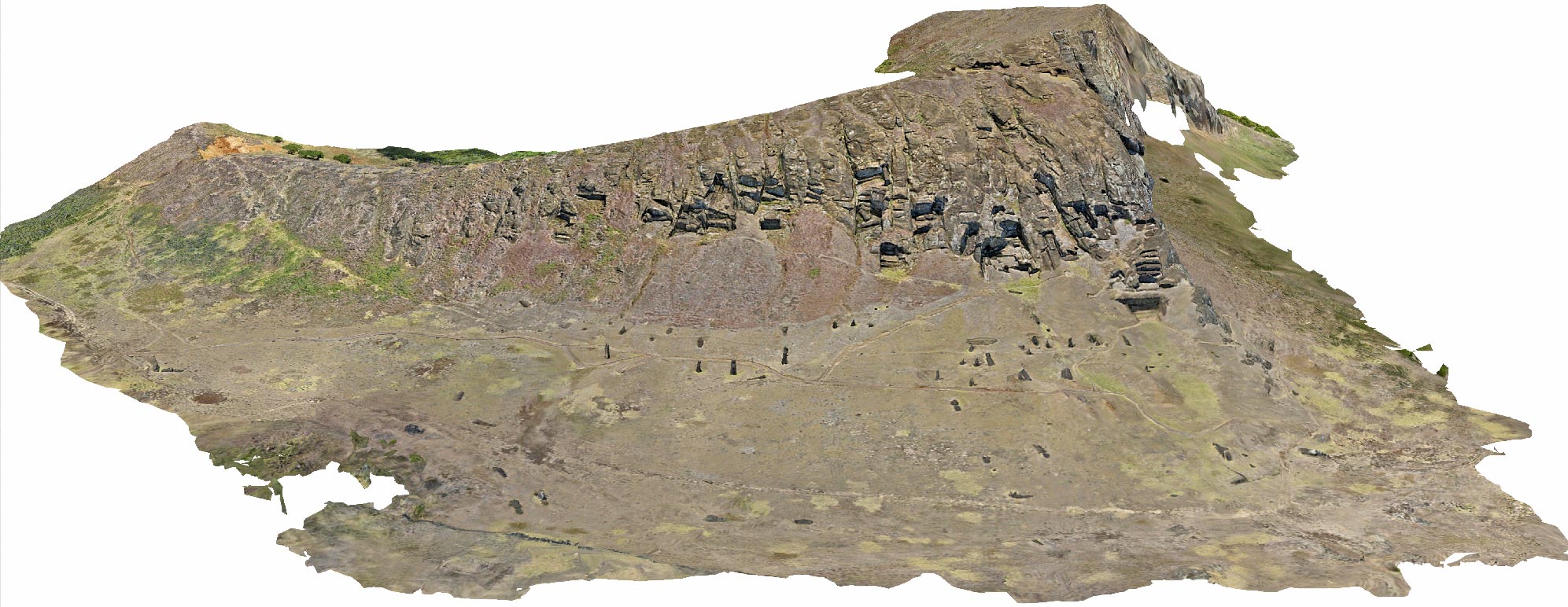
To explore this idea, the researchers compiled more than 11,000 images of Rano Raraku, the primary moai quarry. They combined these images into a detailed 3D reconstruction that captured hundreds of statues at various stages of production. Analysis of the digital model revealed 30 distinct zones of quarrying activity, each showing different carving approaches.
The team also identified signs that finished or partially carved moai were moved out of the quarry in several directions. Together, these clues indicate that the creation and transportation of the statues followed a decentralized pattern similar to the organization of Rapa Nui society.
New Evidence Challenges Assumptions About Monument Building
This conclusion calls into question the idea that such large-scale construction requires a strict hierarchy or top-down system. The similarities seen among different moai appear to reflect cultural exchange among communities rather than coordinated efforts to carve them collectively. The new quarry model also offers a highly detailed dataset that can support further studies and help guide cultural preservation efforts at this UNESCO World Heritage site. The same analytical approach can also be applied to other archaeological locations.
The authors explain: “Much of the so-called “mystery” of Rapa Nui (Easter Island) comes from the lack of openly available, detailed evidence that would allow researchers to evaluate hypotheses and construct explanations. Here, we present the first high-resolution 3D model of the moai quarry at Rano Raraku, the central quarry for nearly 1,000 statues, offering new insights into the organizational and manufacturing processes of these giant megalithic figures.”
Reference: “Megalithic statue (moai) production on Rapa Nui (Easter Island, Chile)” by Carl Philipp Lipo, Terry L. Hunt, Gina Pakarati, Thomas Pingel, Noah Simmons, Kevin Heard, Laryssa Shipley, Caroline Keller and Colin Omilanowski, 26 November 2025, PLOS ONE.
DOI: 10.1371/journal.pone.0336251
Never miss a breakthrough: Join the SciTechDaily newsletter.
Follow us on Google and Google News.