

NSF’s flagship solar telescope, the largest in the world, to herald a new era of solar science.
New observations released in celebration of the Inouye Solar Telescope Inauguration Ceremony.
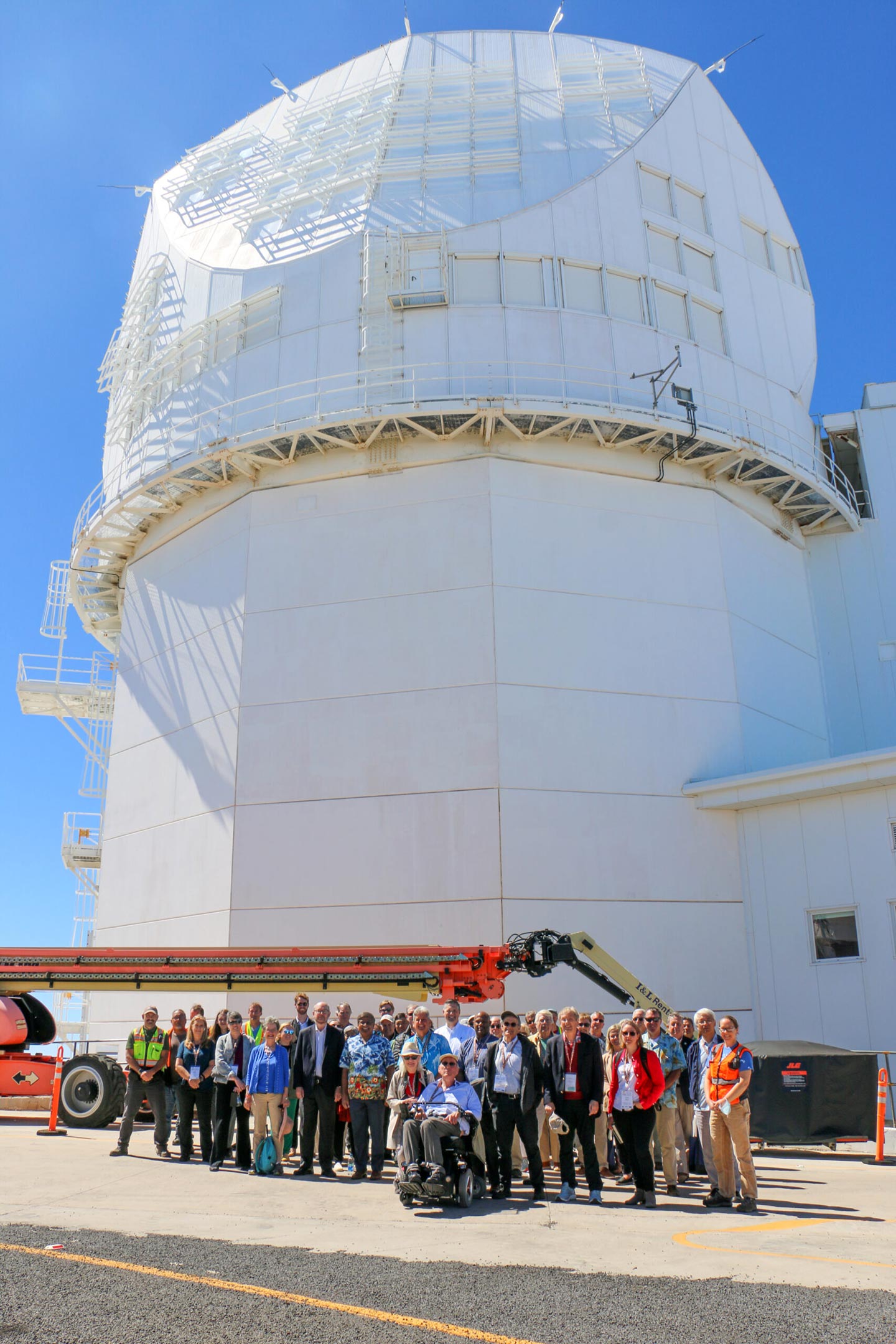
On August 31, 2022, a delegation of U.S. National Science Foundation (NSF) leaders, congressional dignitaries, and members of both the scientific and Native Hawaiian communities gathered near the summit of Haleakalā, Maui to commemorate the inauguration of the world’s most powerful solar telescope. The NSF’s Daniel K. Inouye Solar Telescope is delivering on its promise to reveal the Sun in ways never seen before as it nears the completion of the first year of its Operations Commissioning Phase (OCP).

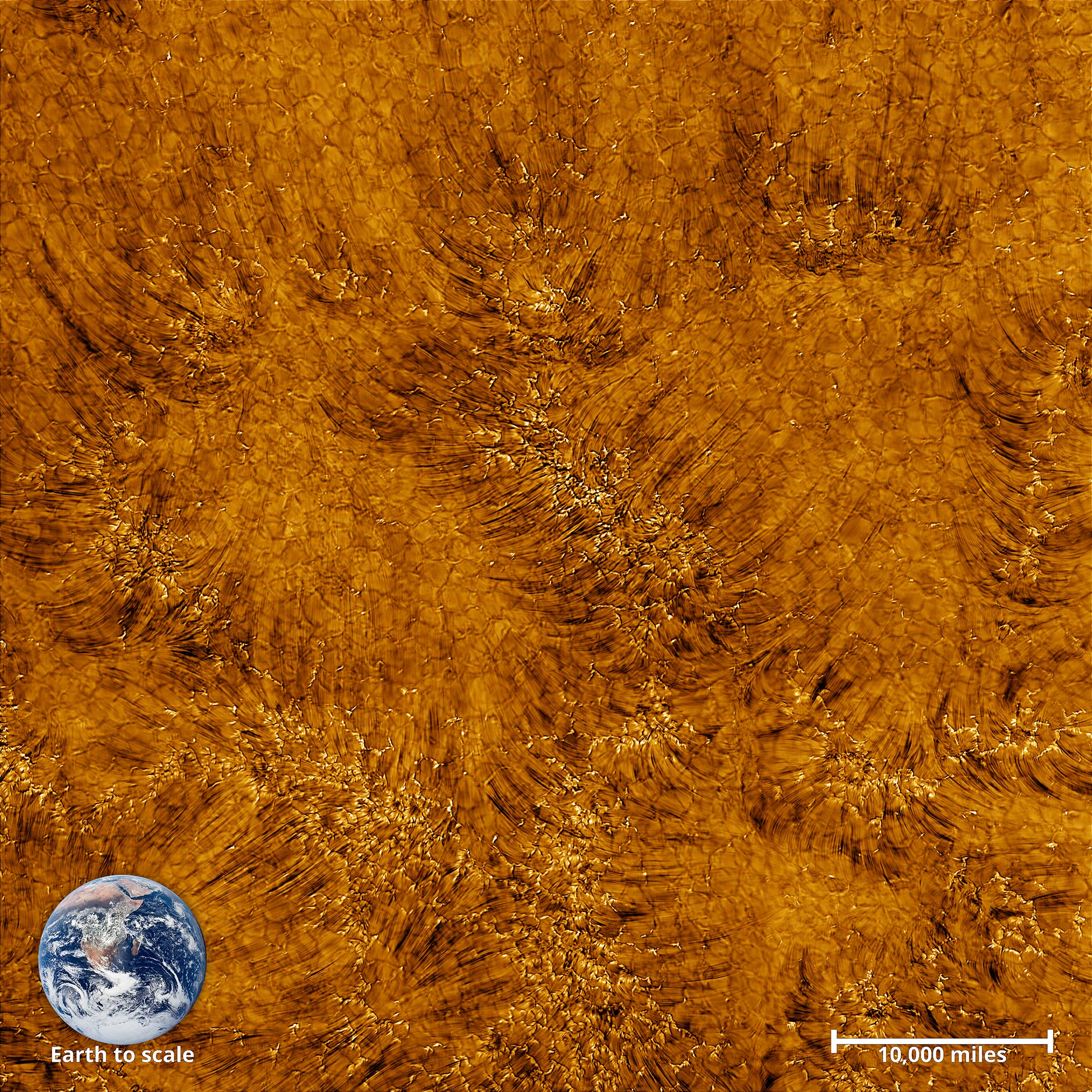
If a picture is worth a thousand words, the images and data produced by the Inouye Solar Telescope will write the next chapters of solar physics research. Included in this are two stunning new images released in celebration of last week’s events. Over 25 years ago, the NSF invested in creating a world-leading, ground-based solar observatory to address the most pressing questions in solar physics and space weather events that impact Earth. This vision, executed by the Association of Universities for Research in Astronomy (AURA) through the NSF’s National Solar Observatory (NSO), was realized during the formal inauguration of the Inouye Solar Telescope.
“NSF’s Inouye Solar Telescope is the world’s most powerful solar telescope that will forever change the way we explore and understand our sun,” said NSF Director, Sethuraman Panchanathan. “Its insights will transform how our nation, and the planet, predict and prepare for events like solar storms.”


To commemorate this momentous occasion the inauguration brought NSF leadership, telescope staff, and members of the scientific community together to acknowledge this historical milestone of bringing the telescope online. Representatives from the NSF, AURA, and the NSO were joined by key House and Senate staffers from the Commerce, Justice, Science, and Related Agencies Appropriations Subcommittee, as well as key staff from the House Science, Space, and Technology Committee responsible for authorizing and funding the Daniel K. Inouye Solar Telescope.
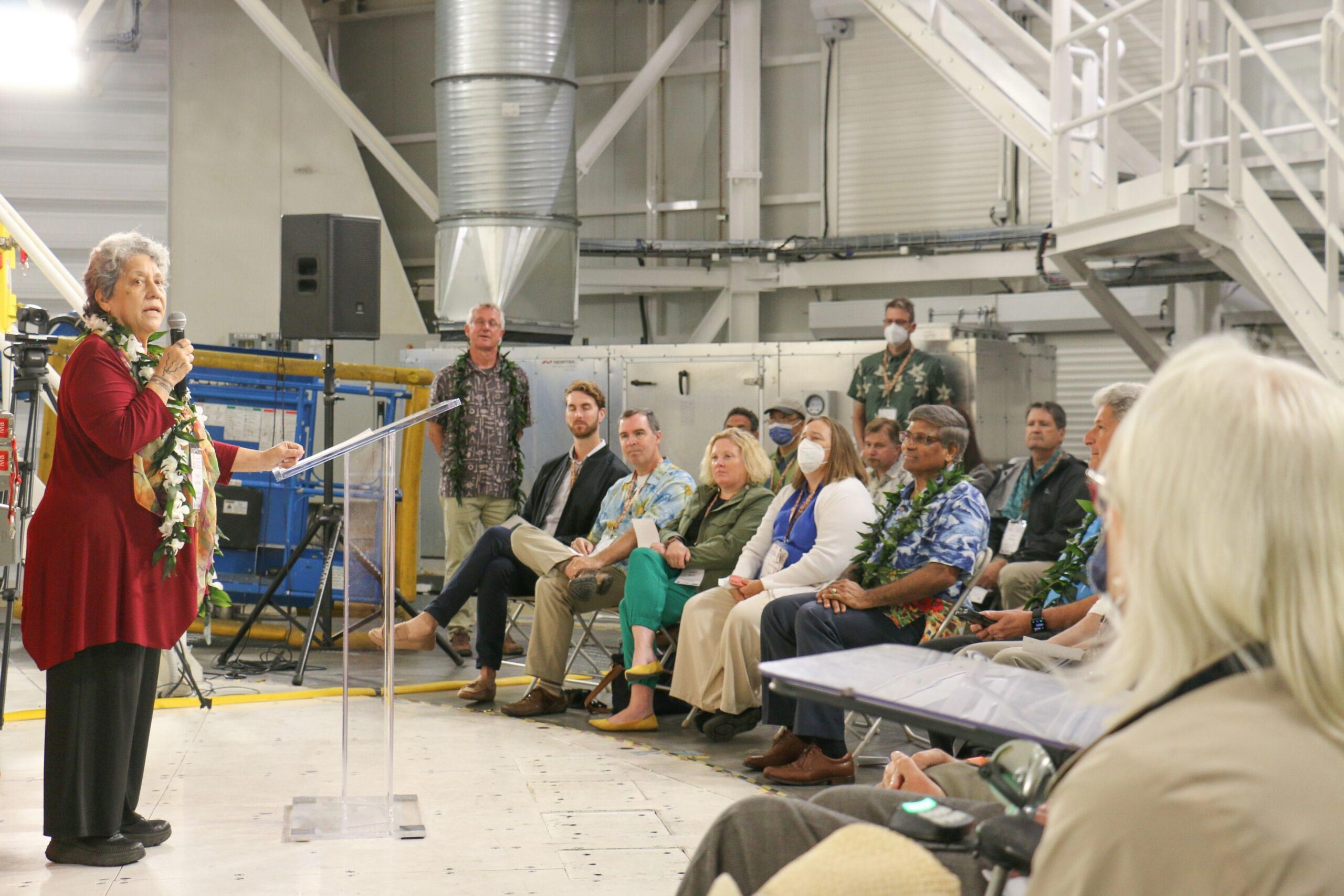
It is noted that the Inouye Solar Telescope is located on land of spiritual and cultural significance to the Native Hawaiian people. The use of this meaningful site to further scientific knowledge is done so with appreciation and respect. Members of the Inouye Solar Telescope Native Hawaiian Working Group were recognized for their invaluable role in educating NSF and NSO staff about cultural issues of importance to them and in providing cultural input throughout the telescope’s construction. Hōkūlani Holt, Director of the Ka Hikina O Ka Lā program at the University of Hawai‘i Maui College, led an opening pule (prayer) in accordance with Hawaiian cultural protocol.
The Inouye Solar Telescope has embarked on a mission to progress solar science, research, and education and foster relationships with local communities throughout Hawaiʻi. Since OCP began in February 2022, the Inouye Solar Telescope has gathered data for more than 20 of the accepted scientific proposals and has conducted initial coordinated solar observations with NASA’s Parker Solar Probe and ESA/NASA’s Solar Orbiter.
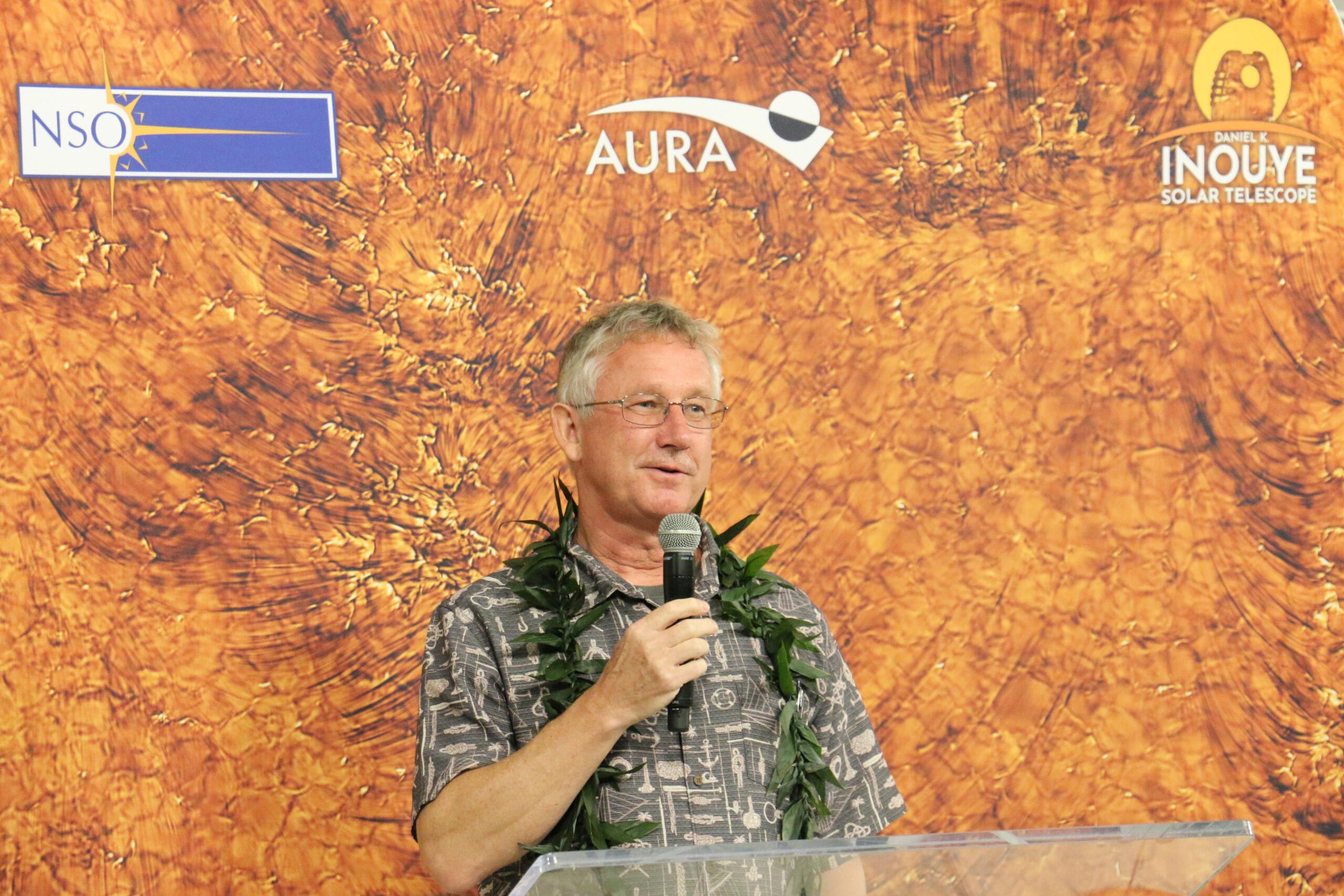
“With the world’s largest solar telescope now in science operations, we are grateful for all who make this remarkable facility possible,” said Matt Mountain, AURA President. “In particular we thank the people of Hawai‘i for the privilege of operating from this remarkable site, to the National Science Foundation and the US Congress for their consistent support, and to our Inouye Solar Telescope Team, many of whom have tirelessly devoted over a decade to this transformational project. A new era of Solar Physics is beginning!”
The NSF and NSO support the growth and development of Hawai‘i’s scientific & technical workforce through educational and workforce development programs. Hawai‘i and Native Hawaiian students are supported on their journey to obtaining careers in STEM through school and community outreach events, participation in the Akamai Workforce Initiative, and the NSF-funded Ka Hikina O Ka Lā program. The partnership with the National Park Service (Haleakalā National Park) to host Solar Week in 2022 is an example of the efforts to bring solar science to the general public. Employment opportunities at the Inouye Solar Telescope aim to diversify Hawaiʻi’s job industry and provide STEM-based career opportunities for Hawaiʻiʻs workforce.

The inauguration puts a stamp on an ambitious, multi-decade project to provide the world with its preeminent solar observatory. The celebration honored the collaborative effort between the many entities and individuals needed to successfully bring the telescope to operations. It marked the beginning of the Inouye Solar Telescope’s 50-year journey to revolutionize our understanding of the Sun, its magnetic behavior, and its influence on Earth.
The U.S. National Science Foundation’s Daniel K. Inouye Solar Telescope is operated by the National Solar Observatory (NSO). It is a federally funded research and development center focused on solar research, under management by the Association of Universities for Research in Astronomy (AURA). The Inouye Solar Telescope and NSO are funded by the National Science Foundation (NSF) through a cooperative agreement with AURA. The Inouye Solar Telescope is located on land of spiritual and cultural significance to Native Hawaiian people. The use of this important site to further scientific knowledge is done so with appreciation and respect.
Never miss a breakthrough: Join the SciTechDaily newsletter.
Follow us on Google and Google News.