
Close Menu
    Facebook X (Twitter) Instagram
    SciTechDaily
    • Biology
    • Chemistry
    • Earth
    • Health
    • Physics
    • Science
    • Space
    • Technology
    Facebook X (Twitter) Pinterest YouTube RSS
    SciTechDaily
    Home»Earth»Super Typhoon Goni: Devastating Storm Hits the Philippines
    Earth

    Super Typhoon Goni: Devastating Storm Hits the Philippines

    By Kasha Patel, NASA Earth ObservatoryNovember 3, 2020No Comments2 Mins Read
    Facebook Twitter Pinterest Telegram LinkedIn WhatsApp Email Reddit
    Share
    Facebook Twitter LinkedIn Pinterest Telegram Email Reddit
    Philippines Super Typhoon Goni Annotated
    October 31, 2020

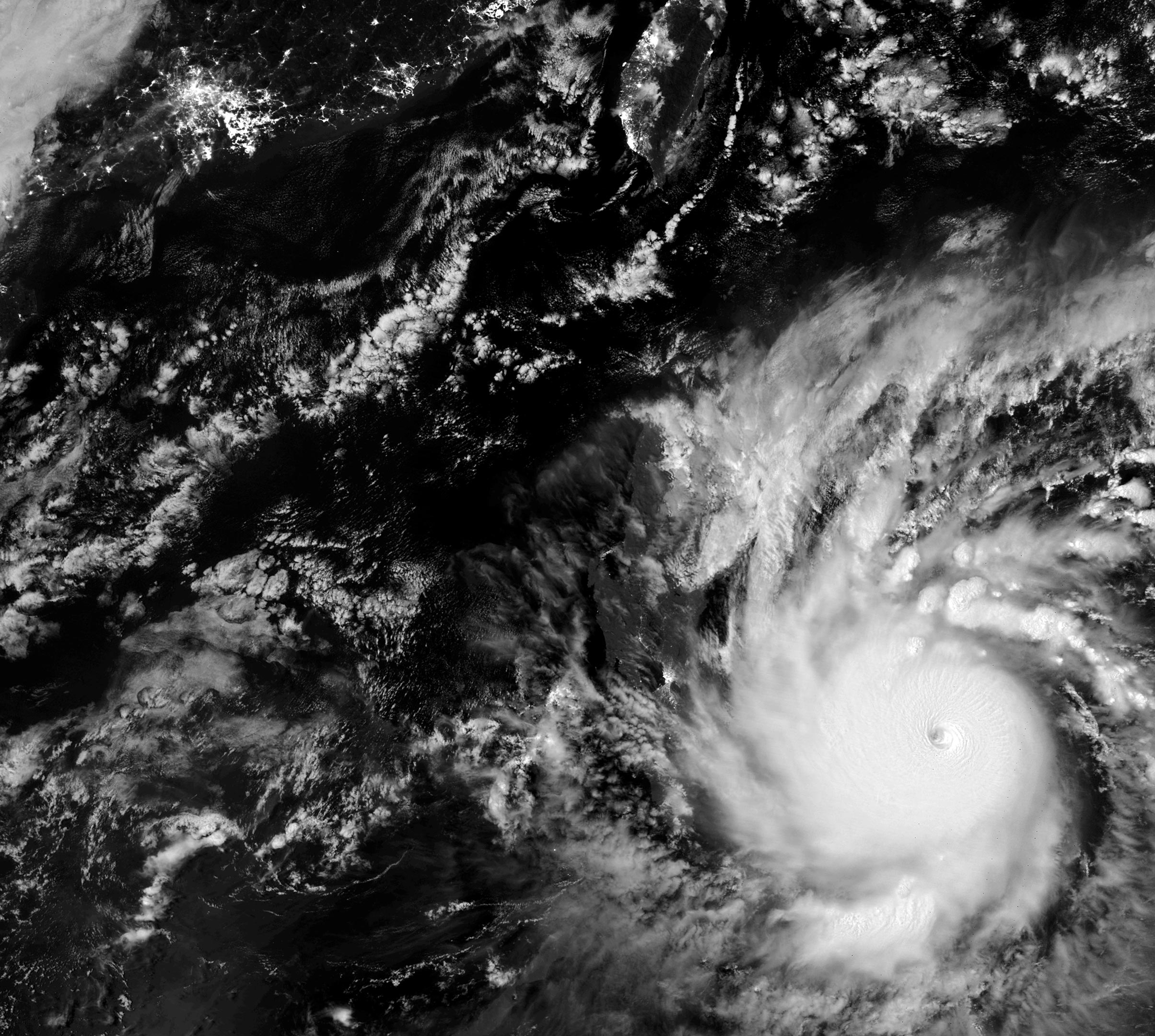
    On November 1, 2020, the strongest storm of the year pummeled the Philippines. The Joint Typhoon Warning Center reported that Super Typhoon Goni made landfall with maximum sustained winds of 310 kilometers (195 miles) per hour near its center.

    Relief organizations suggest that on Catanduanes Island, where the storm initially made landfall, up to 90 percent of buildings were destroyed. Though the national capital, Manila, was largely spared, the storm destroyed tens of thousands of homes on the island, displaced more than 300,000 people, and killed at least 20 people. As of November 2, the Philippine Red Cross reported Catanduanes Island had no access to electricity, water, and cellular network.

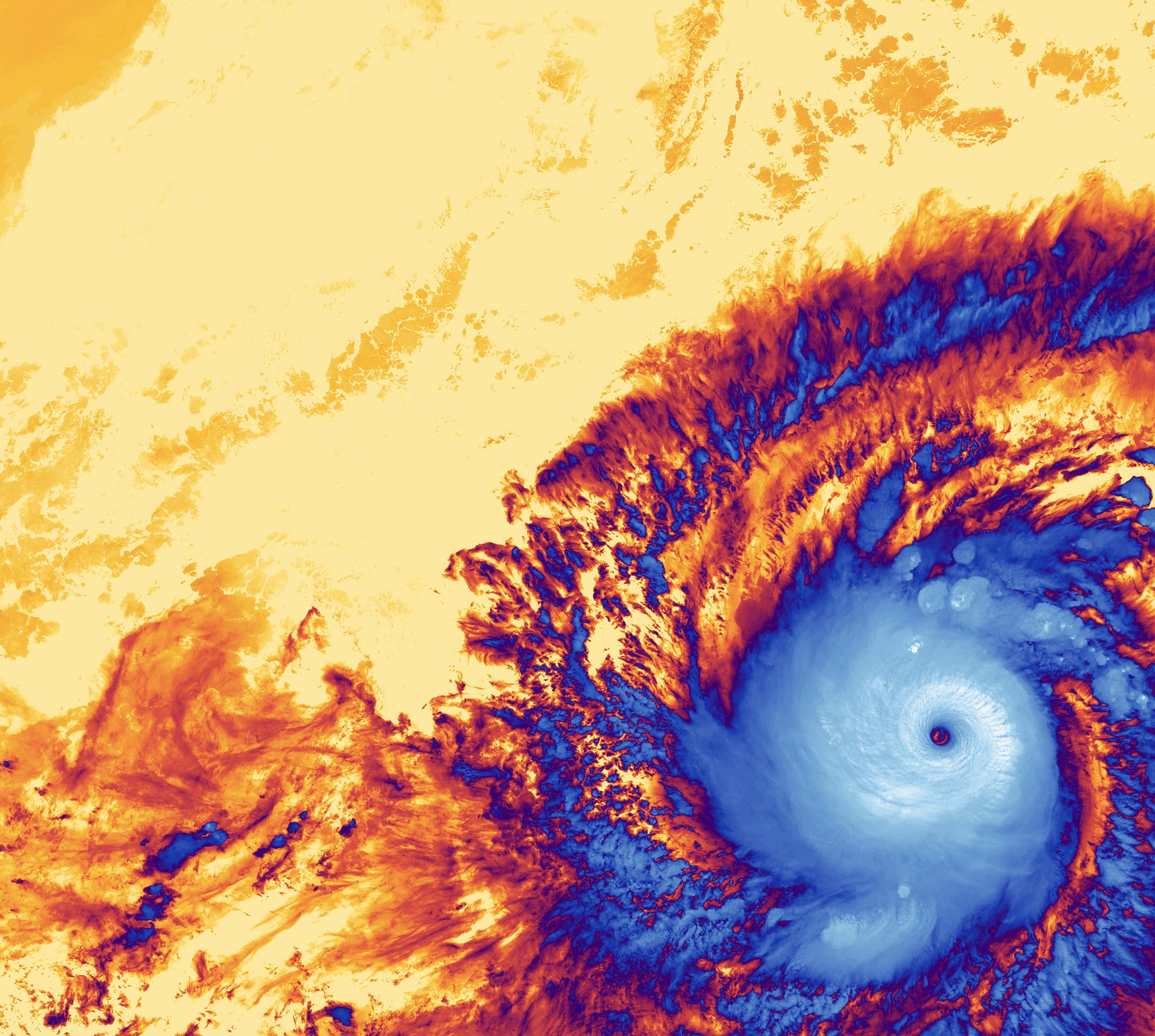
    On October 31, 2020, the Visible Infrared Imaging Radiometer Suite (VIIRS) instrument on NASA-NOAA’s Suomi NPP satellite captured these natural-color and infrared images of Goni (locally known as Rolly) before making landfall. The image below shows brightness temperature data, which is useful for distinguishing cloud structures (blue) from the surface below (yellow).
    Philippines Super Typhoon Goni Infrared Annotated
    October 31, 2020

    Goni started to rapidly intensify on October 28, increasing from a tropical depression with 50-kilometer (30-mile) per hour winds to a 280-kilometer (175-mile) per hour super typhoon in 54 hours. Conditions for intensification were nearly ideal: Goni encountered a moist atmosphere, very warm ocean temperatures, and little wind shear.

    Goni is the fourth tropical storm to hit the Philippines since October. On average, the country experiences 20 storms and typhoons per year. However, the last typhoons to approach the region at this strength were Super Typhoon Meranti in 2016 and Super Typhoon Haiyan in 2013.

    Goni has since weakened to a tropical storm and is expected to make landfall in central Vietnam this week. Goni will be the sixth tropical storm to hit Vietnam since the beginning of October. Vietnam is still reeling from recent typhoon Molave, which was one of the most powerful storms to hit the country in decades.

    NASA Earth Observatory images by Joshua Stevens, using VIIRS data from NASA EOSDIS/LANCE and GIBS/Worldview and the Suomi National Polar-orbiting Partnership.

    Never miss a breakthrough: Join the SciTechDaily newsletter.
    Follow us on Google and Google News.

    NASA NASA Earth Observatory Typhoon Weather
    Share. Facebook Twitter Pinterest LinkedIn Email Reddit

    Related Articles

    NASA Captures Unprecedented Quadruple Typhoon Event in Stunning Detail

    Train of Typhoons in the Western Pacific Leave a Trail of Destruction in the Philippines, Taiwan, and China

    Deadly Super Typhoon Noru Strikes the Philippines

    Hurricane Fiona & Typhoon Nanmadol: Powerful Storms Hit Puerto Rico and Japan

    Typhoon Muifa Lands Near Shanghai – Near China’s Largest Metropolitan Area and Major Shipping Ports

    Rapid Intensification for Super Typhoon Chanthu

    Super Typhoon Surigae Stirs Up the Pacific

    Typhoon Vamco Thrashes the Philippines

    Muddy Flooding After Catastrophic Dam Failures in Michigan Seen From Space

    Leave A Reply Cancel Reply

    • Facebook
    • Twitter
    • Pinterest
    • YouTube

    Don't Miss a Discovery

    Subscribe for the Latest in Science & Tech!

    Trending News

    Your Blood Pressure Reading Could Be Wrong Because of One Simple Mistake

    Astronomers Stunned by Ancient Galaxy With No Spin

    Physicists May Be on the Verge of Discovering “New Physics” at CERN

    Scientists Solve 320-Million-Year Mystery of Reptile Skin Armor

    Scientists Say This Daily Walking Habit May Be the Secret to Keeping Weight Off After Dieting

    New Therapy Rewires the Brain To Restore Joy in Depression Patients

    Giant Squid Detected off Western Australia in Stunning Deep-Sea Discovery

    Popular Sugar-Free Sweetener Linked to Liver Disease, Study Warns

    Follow SciTechDaily
    • Facebook
    • Twitter
    • YouTube
    • Pinterest
    • Newsletter
    • RSS
    SciTech News
    • Biology News
    • Chemistry News
    • Earth News
    • Health News
    • Physics News
    • Science News
    • Space News
    • Technology News
    Recent Posts
    • Marijuana Use May Raise Lung Cancer Risk, Researchers Warn
    • This Common Type of Food May Be Raising Your Risk of Heart Disease
    • Fur Seals’ Hearts Suddenly Spike Hours After Returning to Land
    • Scientists Say Cognitive Decline Isn’t Inevitable — Your Brain Can Improve at Any Age
    • This Weird Sea Creature May Have Rewritten Life’s Genetic Rulebook
    Copyright © 1998 - 2026 SciTechDaily. All Rights Reserved.
    • Science News
    • About
    • Contact
    • Editorial Board
    • Privacy Policy
    • Terms of Use

    Type above and press Enter to search. Press Esc to cancel.