
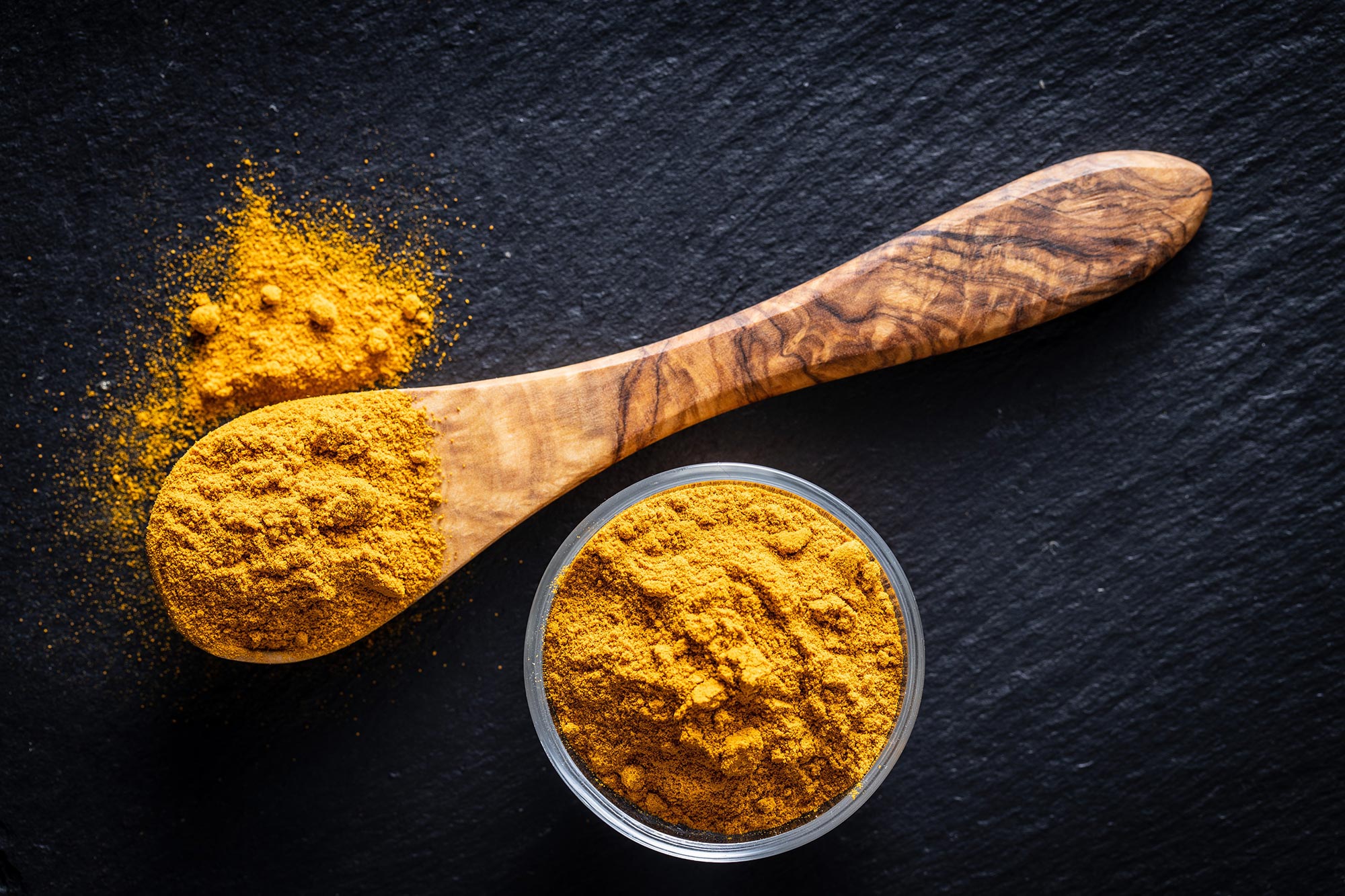
Texas A&M researchers have found that curcumin, when activated by light, can weaken antibiotic-resistant bacteria, restoring the effectiveness of conventional antibiotics.
This breakthrough, called photodynamic inactivation, could help combat deadly superbugs and reduce medical costs worldwide.
Curcumin: A Surprising Ally Against Superbugs
In 2017, a woman admitted to a Nevada hospital with pneumonia died from multiple organ failure and sepsis. The cause? A strain of bacteria resistant to 26 different antibiotics. These antibiotic-resistant bacteria, known as superbugs, pose a serious and growing global health threat.
In the fight against these dangerous pathogens, researchers at Texas A&M have discovered a potential new tool—curcumin, the natural compound that gives turmeric its bright yellow color.
Their study found that when bacteria consume curcumin and are then exposed to light, harmful reactions occur within the microbes, ultimately killing them. This approach reduces the number of antibiotic-resistant strains and restores the effectiveness of conventional antibiotics.
The findings were published in Scientific Reports.
The Antibiotic Crisis and the Rise of Superbugs
Before antibiotics, infectious diseases were the leading cause of death and disability around the world. With the advent of these life-saving medications, the human lifespan has increased by 23 years on average. In the last several decades, while the discovery of novel antibiotics has plateaued, antibiotic-resistant bacteria have simultaneously become more common, ushering in the era of superbugs, such as methicillin-resistant Staphylococcus aureus (MRSA), vancomycin-resistant enterococcus, and pneumonia, which are all extremely hard to treat. In fact, infectious diseases are projected to be the main causes of human mortality once again, claiming up to 10 million lives annually.
A New Strategy to Overcome Antibiotic Failure
“When bacteria start becoming resistant to conventional antibiotics, we have what we call an antibiotic catastrophe,” said Dr. Vanderlei Bagnato, professor in the Department of Biomedical Engineering and senior author on the study. “To overcome this challenge, we need alternative ways to either kill the superbugs or find a novel way to modify natural processes within the bacteria so that antibiotics start to act again.”
Bacteria display natural variation within a given population. This heterogeneity introduces variations in cell behaviors, including response to antibiotics, which can directly contribute to treatment resistance if some strains survive antimicrobial medication and continue replicating. Thus, the researchers wanted to curb bacterial heterogeneity to control bacterial resistance.
Harnessing Light to Kill Drug-Resistant Bacteria
Photodynamic inactivation, a technique that has shown promise in combating bacterial resistance, uses light and light-sensitive molecules, called photosensitizers, to produce reactive oxygen species that can kill microorganisms by disrupting their metabolic processes. In their experiments, the team used curcumin, which is also a natural food for bacteria. They tested this technique on strains of Staphylococcus aureus that are resistant to amoxicillin, erythromycin, and gentamicin.
A Game-Changer for Antibiotic Effectiveness
The researchers exposed the bacteria to many cycles of light exposure and then compared the minimum concentration of antibiotics needed to kill the bacteria after light exposure versus those that did not get light exposure.
“When we have a mixed population of bacteria where some are resistant, we can use photodynamic inactivation to narrow the bacterial distribution, leaving behind strains that are more or less similar in their response to antibiotics,” said Bagnato. “It’s much easier now to predict the precise antibiotic dose needed to remove the infection.”
Expanding the Potential of Curcumin Therapy
The team noted that photodynamic inactivation using curcumin has tremendous potential as an adjuvant or additional therapy with antibiotics for diseases, like pneumonia, caused by antibiotic-resistant bacteria.
“Photodynamic inactivation offers a cost-effective treatment option, which is crucial for reducing medical expenses not only in developing countries but also in the United States,” said Dr. Vladislav Yakovlev, professor in the Department of Biomedical Engineering and author on the study. “It also has potential applications in military medicine, where this technology could be used to treat battlefield wounds and prevent the development and spread of antimicrobial resistance, a significant concern in combat situations.”
Reference: “Photodynamic inactivation and its effects on the heterogeneity of bacterial resistance” by Jennifer M. Soares, Vladislav V. Yakovlev, Kate C. Blanco and Vanderlei S. Bagnato, 16 November 2024, Scientific Reports.
DOI: 10.1038/s41598-024-79743-y
Contributors to the research include Dr. Jennifer Soares, who is the primary author on the paper, and Dr. Kate Blanco from the Institute of Physics of São Carlos, University of São Paulo, Brazil.
This research was financially supported by the São Paulo Research Foundation, the National Council for Scientific and Technological Development, the Cancer Prevention and Research Institute of Texas, the Governor’s University Research Initiative, the Air Force Office of Scientific Research, and the National Institutes of Health.
Never miss a breakthrough: Join the SciTechDaily newsletter.
Follow us on Google and Google News.
10 Comments
Turmeric in its natural form is the most effective. But, pharma will make money by creating ‘drugs’ that are useless!
and we elderlies already on consistent supplement capsules (per Ayervedic guidance) for joint-pain are already protected! woohoo!
No, the process requires repeated photodynamic inactivation of the curcumin-fed bacteria to be effective. Sorry.
I’ve been taking turmeric for 4 years. I am in my early 40s, and I began taking it because there were some small studies that compared the use of turmeric against the use of SSRI drugs for “the blues” when covid started keeping us inside. Ever since I started the regimen of taking turmeric in various amounts over the last few years, I have noticed a severe decrease in the number of times I fell ill in previous years. And I did note a greater uptick in my mood without the side effects common to antidepressant chemicals. I do this with my own consent and assume all the risks. It has been beneficial for me. I don’t however share with people by and large because the Western idea of “medicine” doesn’t allow for natural cures. There is no money in the cure, after all. Just the treatment. So, I use coconut oil and tea tree for antifungal skin treatment, honey sometimes for scrapes, and turmeric for mood management. I am on no prescription drugs, do no recreational drugs except for coffee, and I do not smoke or drink. Take all that for what you will.
I have learned that the money that controls the “science of medicine” is very much geared towards making segments of society richer, while keeping other segments sicker. If nature has provided a way to heal ourselves, I believe we owe it to ourselves to try those first and give our bodies a chance to heal naturally. Allopathic medicine is always there if it doesn’t. But he is a fool who thinks that there isn’t anything out there but petroleum sourced drugs for medicine.
Be your own advocate, do your own research, and remember that in the end, we are all individually responsible for what happens to these bodies of ours. Be well.
According to the study light inactivation is essential to deactivate the bacteria, with five repetitions PDI appearing to be optimal, so no, “turmeric in its natural form” is clearly not “the most effective”, and may not be effective at all.
The Light inactivation is a key component required for the effectiveness here. How to get light to the bacteria in your body making you sick; not sure how that will happen.
Turmeric along with some black pepper as a daily dose will help many things and keep one’s immune system strong.
The article seems a bit far-fetched. Using light to deactivate systemic bacteria would be quite a challenge.e quite a challenge.
Neither the article nor the abstract indicate what the sequence is for applying this method. The abstract mentions describes the process as “Photodynamic inactivation (PDI) with light-activated photosensitizers”, but it’s unclear to me whether the first step is to activate the photosensitizer (curcumin here) and then introduce it to the site, or whether the bacteria needs to feed on the curcumin before applying the PDI, which would require either that the bacteria to be sampled from the site, then photodynamically inactivated, and finally reintroduced, or a bacterial sample can be kept at the ready (thus omitting taking the bacterial sample from the patient).
At any rate, this and similar articles have many readers believing they can take curcumin prophylactically, when the fivefold inactivation by light, wherever this study may have applied it, is a crucial step. In fact, the apparent affinity of these bacteria for curcumin might suggest that taking the spice without the light might encourage bacterial growth rather than counter it. Or … I could have missed something very basic, so do correct me if I’m wrong.
The article was only hinting at some treatment, but I came away with no real information that could be used.
I agree with those questioning how this might be applied to kill bacteria- after it consumes curcumin.
Photo dynamic therapy-(“light”) is a harsh, necrotic therapy, often with a lengthy recovery period. None the less, this discovery represents a beginning to build on.