

SeekRNA enhances gene editing with greater precision and simpler application than CRISPR, promising broader and more effective genetic interventions.
Researchers from the University of Sydney have developed a new gene-editing tool, SeekRNA, which promises greater accuracy and flexibility than CRISPR. SeekRNA uses a programmable ribonucleic acid (RNA) strand that can directly identify sites for insertion in genetic sequences, simplifying the editing process and reducing errors. This technology, detailed in Nature Communications, could revolutionize medicine, agriculture, and biotechnology by allowing for precise genetic modifications.
Advantages Over CRISPR
“We are tremendously excited by the potential for this technology. SeekRNA’s ability to target selection with precision and flexibility sets the stage for a new era of genetic engineering, surpassing the limitations of current technologies,” research lead Dr Sandro Ataide said.
“With CRISPR you need extra components to have a ‘cut-and-paste tool’, whereas the promise of seekRNA is that it is a stand-alone ‘cut-and-paste tool’ with higher accuracy that can deliver a wide range of DNA sequences.”
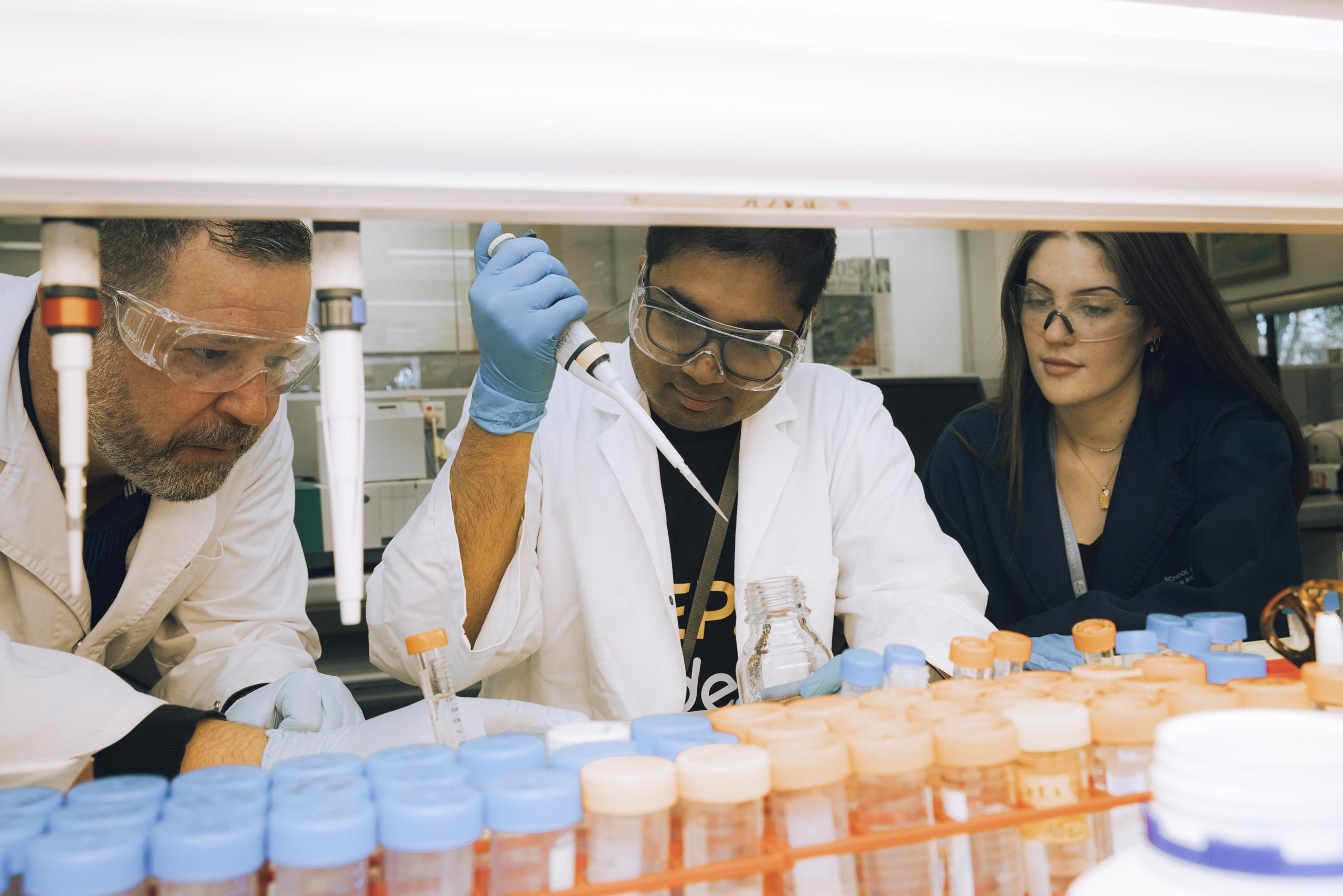
CRISPR relies on creating a break in both strands of target DNA, the double-helix genetic code of life, and needs other proteins or the DNA repair machinery to insert the new DNA sequence. This can introduce errors.
“SeekRNA can precisely cleave the target site and insert the new DNA sequence without the use of any other proteins. This allows for a much cleaner editing tool with higher accuracy and fewer errors,” Ataide said.
Applications and Potential
Since the development of CRISPR more than 10 years ago, gene editing has opened new research and application areas. It has led to improvements in disease resistance in fruit and crops, reduced the cost and speed of human disease detection, helped in the search for a cure for sickle cell disease, and allowed for the development of a revolutionary cancer treatment known as (CAR) T-cell therapy.
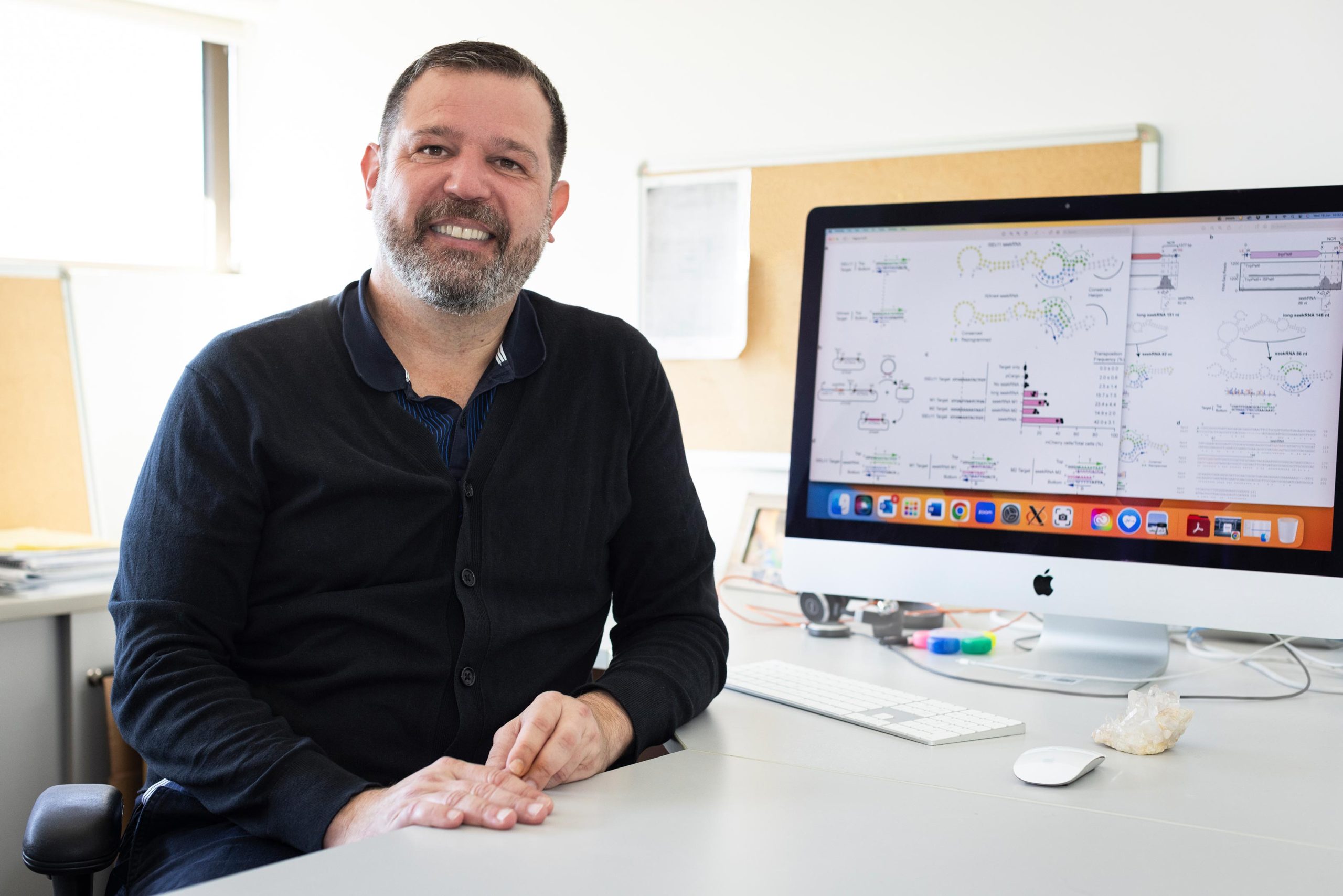
“We are very much in the early days of what gene editing can do. We hope that by developing this new approach to gene editing, we can contribute to advances in health, agriculture and biotechnology,” said joint author Professor Ruth Hall from the University of Sydney.
Technical Breakthroughs and Future Prospects
SeekRNA is derived from a family of naturally occurring insertion sequences known as IS1111 and IS110, discovered in bacteria and archaea (cells without a nucleus). Most insertion sequence proteins exhibit little or no target selectivity, however these families exhibit high target specificity.
It is this accuracy that seekRNA has used to achieve its promising results to date.

Using the accuracy from this insertion sequence family, seekRNA can be modified to any genomic sequence and insert the new DNA in a precise orientation.
“In the laboratory we have successfully tested seekRNA in bacteria. Our next steps will be to investigate if the technology can be adapted for the more complex eukaryotic cells found in humans,” Ataide said.
Novel Delivery Systems
An advantage of the system reported in this study is that it can be applied using only a single protein of modest size plus a short seekRNA strand, to efficiently move genetic cargo. SeekRNA is made up of a small protein of 350 amino acids and an RNA strand of between 70 and 100 nucleotides. A system of this size could be packed into biological nanoscale delivery vehicles (vesicles or lipid nanoparticles) for delivery to cells of interest.
Overcoming CRISPR Limitations
Another point of differentiation is this technology’s ability to insert DNA sequences in the desired location by itself, a feat not possible with many current editing tools.
“Current CRISPR technology has limitations on the size of genetic sequences that can be introduced,” said University of Sydney research associate Rezwan Siddiquee, lead author of the paper. “This restricts the scope of application.”
International Research Context
Globally, other teams are pursuing similar research into the gene-editing potential of the IS1111 and IS110 family. However, Ataide says they only have shown results for one member of the IS110 family and rely on a much larger RNA version. The team at Sydney is advancing its technique through direct laboratory sampling and application of the shorter seekRNA itself.
Reference: “A programmable seekRNA guides target selection by IS1111 and IS110 type insertion sequences” by Rezwan Siddiquee, Carol H. Pong, Ruth M. Hall and Sandro F. Ataide, 19 June 2024, Nature Communications.
DOI: 10.1038/s41467-024-49474-9
Dr Sandro Ataide, Professor Ruth Hall, and Rezwan Siddiquee are inventors of patent applications related to this work. The research was supported by the University of Sydney Deputy Vice-Chancellor (Research) Strategic Research Impact Fund and a National Health and Medical Research Council (NHMRC) Investigator grant.
Never miss a breakthrough: Join the SciTechDaily newsletter.
Follow us on Google and Google News.