
Close Menu
    Facebook X (Twitter) Instagram
    SciTechDaily
    • Biology
    • Chemistry
    • Earth
    • Health
    • Physics
    • Science
    • Space
    • Technology
    Facebook X (Twitter) Pinterest YouTube RSS
    SciTechDaily
    Home»Health»The “Cucumber Cure”: A Seafood Solution to Diabetes?
    Health

    The “Cucumber Cure”: A Seafood Solution to Diabetes?

    By University of South AustraliaJune 15, 2023No Comments3 Mins Read
    Facebook Twitter Pinterest Telegram LinkedIn WhatsApp Email Reddit
    Share
    Facebook Twitter LinkedIn Pinterest Telegram Email Reddit
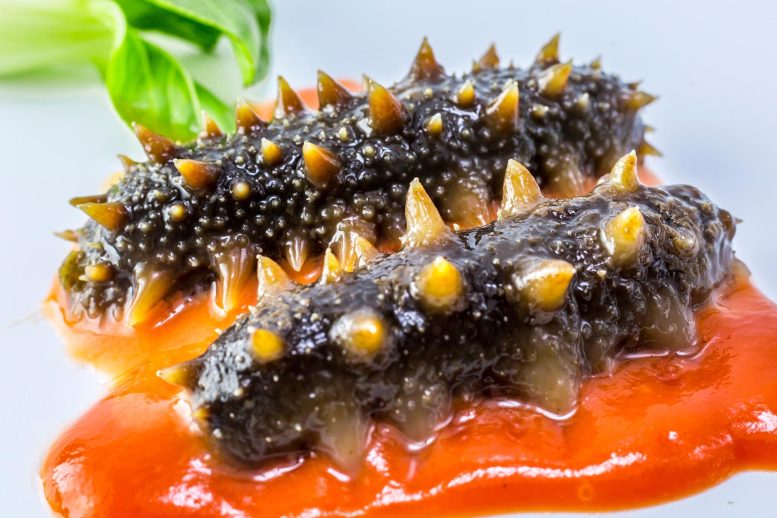
    Braised Sea Cucumber Food
    New research from the University of South Australia suggests that sea cucumbers, a marine delicacy loved across Asia, could play a significant role in preventing diabetes. The study revealed that processed dried sea cucumber with salt extracts can inhibit the formation of Advanced Glycation End products (AGEs), compounds associated with an increased risk of diabetes and its complications, such as heart disease, Alzheimer’s, Parkinson’s, kidney disease, and cancer.

    A new study reveals that sea cucumbers can inhibit the formation of a compound linked to an increased risk of diabetes. The research opens possibilities for the development of a functional food to prevent the onset of the disease and its complications.

    They’re a marine delicacy loved across Asia, but the humble sea cucumber is also proving to be a key ingredient in preventing diabetes, according to new research from the University of South Australia.

    Exploring the medicinal properties of sea cucumbers (Holothuria scabra), researchers found that processed dried sea cucumber with salt extracts can inhibit a compound that is associated with increased risk of diabetes, thereby reducing the likelihood of the disease.

    To date, there is no commercially available therapeutic agent to inhibit the formation of this compound, called Advanced Glycation End product (AGE).

    AGEs form when proteins and/or fats combine with sugars in the bloodstream. When accumulated in high levels, they increase diabetic complications, including heart disease, Alzheimer’s, Parkinson’s, kidney disease, and cancer.
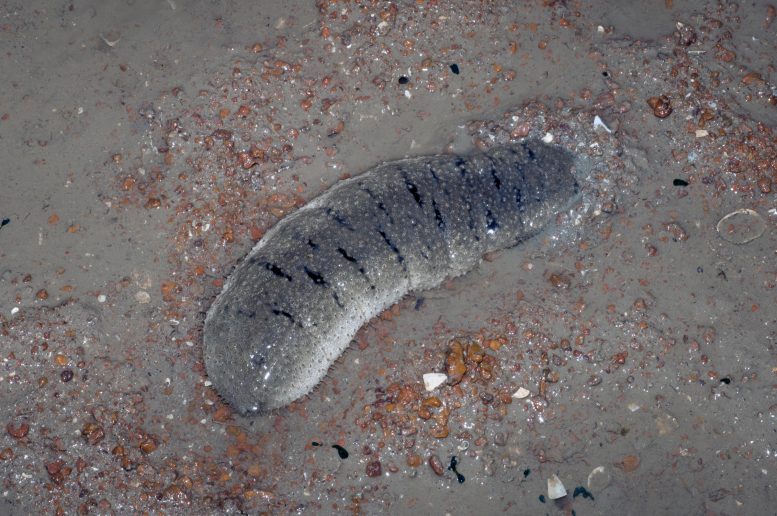
    Sea Cucumber
    The bioactive compounds in sea cucumbers could protect against Type 2 Diabetes. Credit: “Garlic bread sea cucumber (Holothuria scabra)” by wildsingapore

    How Sea Cucumbers Combat AGEs

    Lead researcher, UniSA’s Dr. Permal Deo, says understanding how the bioactive compounds in sea cucumbers can inhibit AGEs could protect against these diseases.

    We know that an accumulation of AGEs is associated with complications of type 2 diabetes, so strategies to prevent this may reduce the risk of developing diabetic complications,” Dr. Deo says.

    “Biologically active novel compounds in medicinal plants and foods are potential therapeutic agents to prevent diabetic complications.

    “Sea cucumbers are known to have a range of therapeutic properties, including anti-inflammatory and antioxidant properties, so we wanted to explore their bioactive compounds as AGE inhibitors.

    “We found that processed dried sea cucumber with salt extracts and collagen can significantly inhibit AGEs by lowering a range of sugar-related metabolites in the body and reducing the risk of diabetes.”

    In Australia, almost 1.3 million people have type 2 diabetes. Globally, about 422 million people have diabetes, with 1.5 million deaths directly attributed to the disease each year.

    Almost 60 percent of all cases of type 2 diabetes can be delayed or prevented with changes to diet and lifestyle.

    “These results provide sound evidence that sea cucumbers could be developed as a functional food product to help battle the onset of diabetes and diabetic-complications.”

    Reference: “Holothuria scabra Jaegar 1833 (Sandfish) extracts and collagens modulate protein-bound Nε-carboxymethyllysine, Nε-carboxyethyllysine and methylglyoxal-derived hydroimidazolone-1 levels” by Hoi Y. Wong, Emma L. Jaunay, Wai C. D. Lau, Brock Peake, Ravinesh Ram, Paul C. Southgate and Permal Deo, 10 February 2023, International Journal of Food Science & Technology.
    DOI: 10.1111/ijfs.16341

    Never miss a breakthrough: Join the SciTechDaily newsletter.
    Follow us on Google and Google News.

    Diabetes Food Science Nutrition Popular University of South Australia
    Share. Facebook Twitter Pinterest LinkedIn Email Reddit

    Related Articles

    A Hidden Ingredient in Processed Foods May Raise Diabetes Risk

    The Tropical Fruit That May Improve Blood Sugar and Cut Body Fat

    Doctors Have Been Saying Sugar Is Bad – But They Missed This

    Surprising Study: Iron in the Meat You Eat Could Lead to Diabetes

    Common Food Additive Found in Ice Cream, Chocolate, and Bread Linked to Diabetes

    Top 5 Health Benefits of Cinnamon: Heart, Diabetes, Inflammation, Weight Loss, Brain

    Scientists Discover Why Late-Night Eating Leads to Diabetes and Weight Gain

    Just a Small Amount of Protein Supplement Helps Control Type 2 Diabetes

    Artificial Sweeteners Doing More Harm Than Good – More Likely to Gain Weight

    Leave A Reply Cancel Reply

    • Facebook
    • Twitter
    • Pinterest
    • YouTube

    Don't Miss a Discovery

    Subscribe for the Latest in Science & Tech!

    Trending News

    Popular Sugar-Free Sweetener Linked to Liver Disease, Study Warns

    What Is Hantavirus? The Deadly Disease Raising Alarm Worldwide

    Scientists Just Discovered How the Universe Builds Monster Black Holes

    Scientists Unveil New Treatment Strategy That Could Outsmart Cancer

    A Simple Vitamin May Hold the Key to Treating Rare Genetic Diseases

    Scientists Think the Real Fountain of Youth May Be Hiding in Your Gut

    Ravens Don’t Follow Wolves, They Predict Them

    This Common Knee Surgery May Be Doing More Harm Than Good

    Follow SciTechDaily
    • Facebook
    • Twitter
    • YouTube
    • Pinterest
    • Newsletter
    • RSS
    SciTech News
    • Biology News
    • Chemistry News
    • Earth News
    • Health News
    • Physics News
    • Science News
    • Space News
    • Technology News
    Recent Posts
    • Why Are So Many New Fathers Dying? Scientists Say the U.S. Has a Dangerous Blind Spot
    • Scientists Identify Simple Supplement That Greatly Reduces Alzheimer’s Damage
    • You May Have a Dangerous Type of Cholesterol Even if Your Tests Look Normal
    • Study Reveals Dangerous Flaw in AI Symptom Checkers
    • New MRI Breakthrough Captures Stunningly Clear Images of the Eye and Brain
    Copyright © 1998 - 2026 SciTechDaily. All Rights Reserved.
    • Science News
    • About
    • Contact
    • Editorial Board
    • Privacy Policy
    • Terms of Use

    Type above and press Enter to search. Press Esc to cancel.