
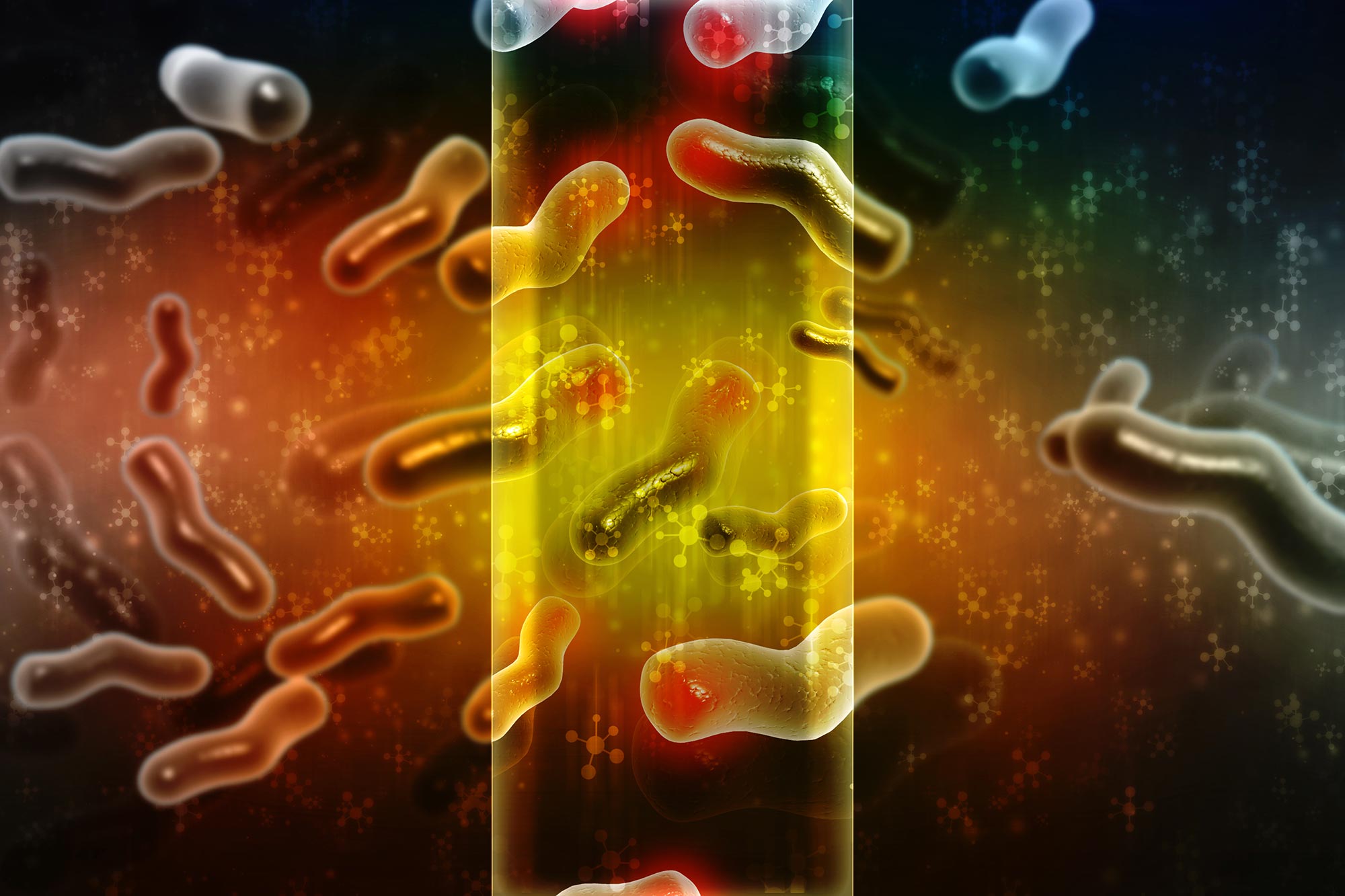
Scientists worldwide have joined forces to build the first-ever roadmap for conserving Earth’s vast invisible majority—microbes.
Their new IUCN Specialist Group reframes conservation by elevating microbial life to the same urgency as plants and animals, emphasizing microbes’ foundational role in climate stability, soil fertility, marine ecosystems, and human health. The roadmap charts new metrics, policies, and restoration tools that make unseen biodiversity visible in global conservation systems for the first time.
Global Effort to Shape Microbial Conservation
A newly published study describes how researchers collaborated to develop the first roadmap dedicated to microbial conservation, guided by Applied Microbiology International President Professor Jack Gilbert.
The paper, titled ‘Safeguarding Microbial Biodiversity: Microbial Conservation Specialist Group (MCSG) within the Species Survival Commission of the International Union for Conservation of Nature (IUCN)’, appears today (November 20) in Sustainable Microbiology, an AMI journal.
In July 2025, the IUCN officially established the MCSG within its Species Survival Commission, with Professor Gilbert and Raquel Peixoto (KAUST / ISME) serving as co-chairs. The group emerged after a May workshop led by Professor Gilbert that brought together conservation specialists and microbiologists to explore how conservation principles apply in a world shaped by microbial life.
A Paradigm Shift Toward Planetary Health
“This is the first global coalition dedicated to safeguarding microbial biodiversity, which is the ‘invisible 99% of life’, to ensure that microbes are recognized as essential to the planet’s ecological, climate, and health systems,” Professor Gilbert said.
“I think this reframes conservation from saving individual species to preserving the networks of invisible life that make visible life possible—a paradigm shift toward planetary health. It also gives us a really good look into the microbial tools that can support conservation action – so that we may use microbiology to solve the world’s biggest problems.”
Why Microbial Biodiversity Cannot Be Ignored
Microbes play central roles in soil fertility, carbon regulation, marine productivity, and organismal health, yet they have rarely been included in mainstream conservation efforts. Overlooking microbial diversity weakens climate resilience, food security, and the recovery of ecosystems.
Professor Gilbert explained that “The MCSG fills this gap by embedding microbiology directly into IUCN’s conservation machinery, i.e. using Red List criteria, ecosystem assessments, and restoration programs, to make microbes visible in policy, not just in science.”
Five Core Functions of Microbial Conservation
During the past two years, the founding group has established an international network of microbiologists, ecologists, legal experts, and Indigenous knowledge holders from more than 30 countries. Working together, they created the first microbial conservation roadmap, outlining five core components of the IUCN Species Conservation Cycle:
- Assessment – develop Red List-compatible metrics for microbial communities and biobanks.
- Planning – create ethical and economic frameworks for microbial interventions.
- Action – pilot restoration projects using microbial solutions (coral probiotics, soil carbon microbiomes, pathogen-resistant wildlife).
- Networking – connect scientists, culture collections, and Indigenous custodians worldwide.
- Communication & Policy – launch campaigns such as “Invisible but Indispensable” to engage policymakers and the public.
Funding from the Gordon & Betty Moore Foundation and in kind support from AMI and ISME supports the first phase of mapping microbial hotspots, developing conservation indices, and linking existing microbial biobanks into a global archive.
Conceptual and Technical Hurdles in Protecting Microbes
Creating a conservation framework for life forms that are microscopic posed conceptual and technical hurdles, Professor Gilbert said.
These included:
- Defining what constitutes a “microbial species” in Red List terms.
- Integrating genomic and ecological data into policy tools built for plants and animals.
- Overcoming the perception that microbes are too complex or resilient to need protection.
“Microbial conservation must contend with enormous unseen diversity and highly dynamic community structures that defy classical species concepts. Taxonomic instability, lack of long-term baselines, and the ethical handling of microbial samples (including Indigenous or human-associated microbiota) all require new definitions of ‘loss’, ‘restoration’, and ‘rights of microbes’,” Professor Gilbert said.
“But a major landmark came when the IUCN approved the MCSG as a formal Specialist Group—officially extending global conservation to microbes for the first time.”
Future Plans: Red Lists, Hotspots, and New Interventions
The group now plans to:
- Produce the first Microbial Red List framework by 2027.
- Publish global microbial hotspot maps integrating soil, marine, and host-associated ecosystems.
- Pilot conservation interventions (e.g., microbial bioremediation, coral-reef probiotics, soil carbon restoration).
- Ensure microbial indicators appear alongside plants and animals in IUCN and UN biodiversity targets by 2030
Long-term progress will require steady financial support to grow global networks that track microbial activity. It also depends on ensuring that microbes are included in national biodiversity and climate initiatives, including “30 by 30” and One Health policies. Another key need is greater public understanding of microbial roles, with “public microbial literacy—recognizing microbes as the foundation of ecosystem and human health.” In addition, researchers highlight the importance of using digital-twin and AI technologies to anticipate how microbial communities will react to environmental change.
Reference: “Safeguarding microbial biodiversity: microbial conservation specialist group within the species survival commission of the International Union for Conservation of Nature” by Jack A Gilbert, Amber Hartman Scholz, Maria Gloria Dominguez Bello, Lise Korsten, Gabriele Berg, Brajesh K Singh, Antje Boetius, Fengping Wang, Chris Greening, Kelly Wrighton, Seth R Bordenstein, Janet Jansson, Jay T Lennon, Valeria Souza, Sarah M Allard, Torsten Thomas, Don Cowan, Thomas W Crowther, Nguyen Nguyen, Lucy Harper, Louis-Patrick Haraoui, Suzanne L Ishaq, Margaret McFall-Ngai, Kent H Redford and Raquel Peixoto, 20 November 2025, Sustainable Microbiology.
DOI: 10.1093/sumbio/qvaf024
Never miss a breakthrough: Join the SciTechDaily newsletter.
Follow us on Google and Google News.