
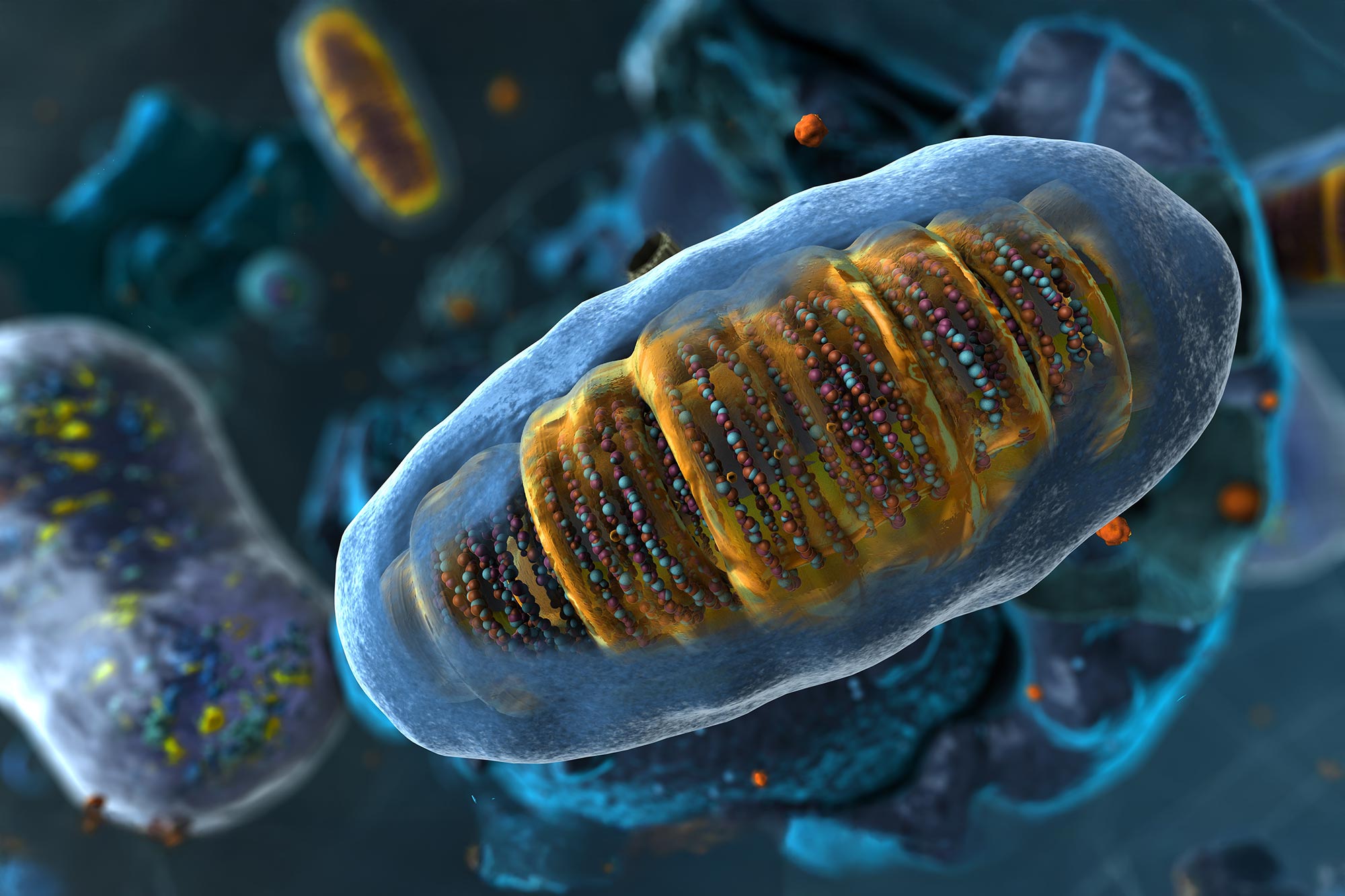
Scientists have discovered how the amino acid leucine boosts the body’s energy production by protecting key mitochondrial proteins from breaking down.
This process allows mitochondria, the cell’s power generators, to function more efficiently.
Leucine’s Surprising Role in Boosting Cellular Energy
Mitochondria are tiny structures inside cells that act as energy producers, supplying the power the body needs to grow, move, and stay healthy. Because a cell’s energy demand changes constantly, mitochondria must continually adjust their activity to keep up. This flexibility depends on the nutrients available inside the cell at any given time. Until recently, scientists did not fully understand how those nutrients drive the process of adaptation.
A team led by Professor Dr. Thorsten Hoppe from the University of Cologne’s Institute for Genetics and the CECAD Cluster of Excellence on Aging Research has now uncovered a new biological pathway showing how the amino acid leucine strengthens mitochondrial performance. The researchers found that leucine helps stabilize crucial mitochondrial proteins, leading to more efficient energy production.
Their study, titled “Leucine inhibits degradation of outer mitochondrial membrane proteins to adapt mitochondrial respiration,” was published in Nature Cell Biology.
The Amino Acid Connection: Protecting Mitochondrial Proteins
Leucine is an essential amino acid that must be obtained through food. It serves as a building block for protein synthesis and is found in protein-rich foods such as dairy, meat, beans, and lentils.
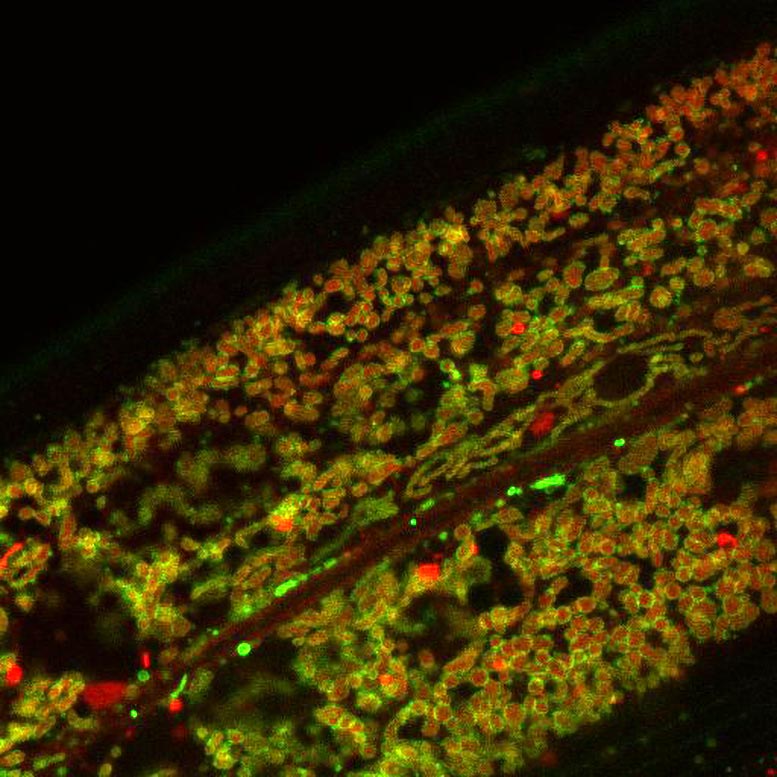
The study revealed that leucine prevents certain proteins on the mitochondrial surface from breaking down. These proteins are essential for bringing other molecules into the mitochondria that are used to generate energy. By protecting these proteins, leucine allows the mitochondria to work more efficiently and enhances overall cellular energy production.
How Nutrients Directly Influence Energy Production
“We were thrilled to discover that a cell’s nutrient status, especially its leucine levels, directly impacts energy production,” said Dr. Qiaochu Li, first author of the study. “This mechanism enables cells to swiftly adapt to increased energy demands during periods of nutrient abundance.”
The researchers also found that a protein called SEL1L plays a central role in this process. SEL1L is part of the cell’s quality control system and normally helps identify and remove damaged or misfolded proteins. Leucine appears to reduce SEL1L activity, slowing the breakdown of mitochondrial proteins and improving mitochondrial function.
“Modulating leucine and SEL1L levels could be a strategy to boost energy production,” Li added. “However, it is important to proceed with caution. SEL1L also plays a crucial role in preventing the accumulation of damaged proteins, which is essential for long-term cellular health.”
From Worms to Cancer Cells: Broader Implications
To understand the wider significance of their discovery, the scientists conducted experiments using the model organism Caenorhabditis elegans. They found that when leucine cannot be properly broken down, mitochondrial performance suffers and fertility problems can occur. In studies using human lung cancer cells, they also observed that mutations affecting leucine metabolism can help cancer cells survive—an insight that may influence future cancer treatments.
Dietary Clues to Future Therapies
This research provides new evidence that nutrients do more than fuel the body—they actively shape how energy is produced inside cells. By revealing how leucine affects mitochondrial metabolism, the study highlights new potential targets for therapies that address diseases involving disrupted energy production, including cancer and metabolic disorders.
Reference: “Leucine inhibits degradation of outer mitochondrial membrane proteins to adapt mitochondrial respiration” by Qiaochu Li, Konstantin Weiss, Fuateima Niwa, Jan Riemer and Thorsten Hoppe, 31 October 2025, Nature Cell Biology.
DOI: 10.1038/s41556-025-01799-3
This research was supported by Germany’s Excellence Strategy in the framework of CECAD as well as by various Collaborative Research Centres funded by the German Research Foundation (DFG). Additional support was provided by the European Research Council through the ERC Advanced Grant “Cellular Strategies of Protein Quality Control-Degradation” (CellularPQCD), and the Alexander von Humboldt Foundation.
Never miss a breakthrough: Join the SciTechDaily newsletter.
Follow us on Google and Google News.