
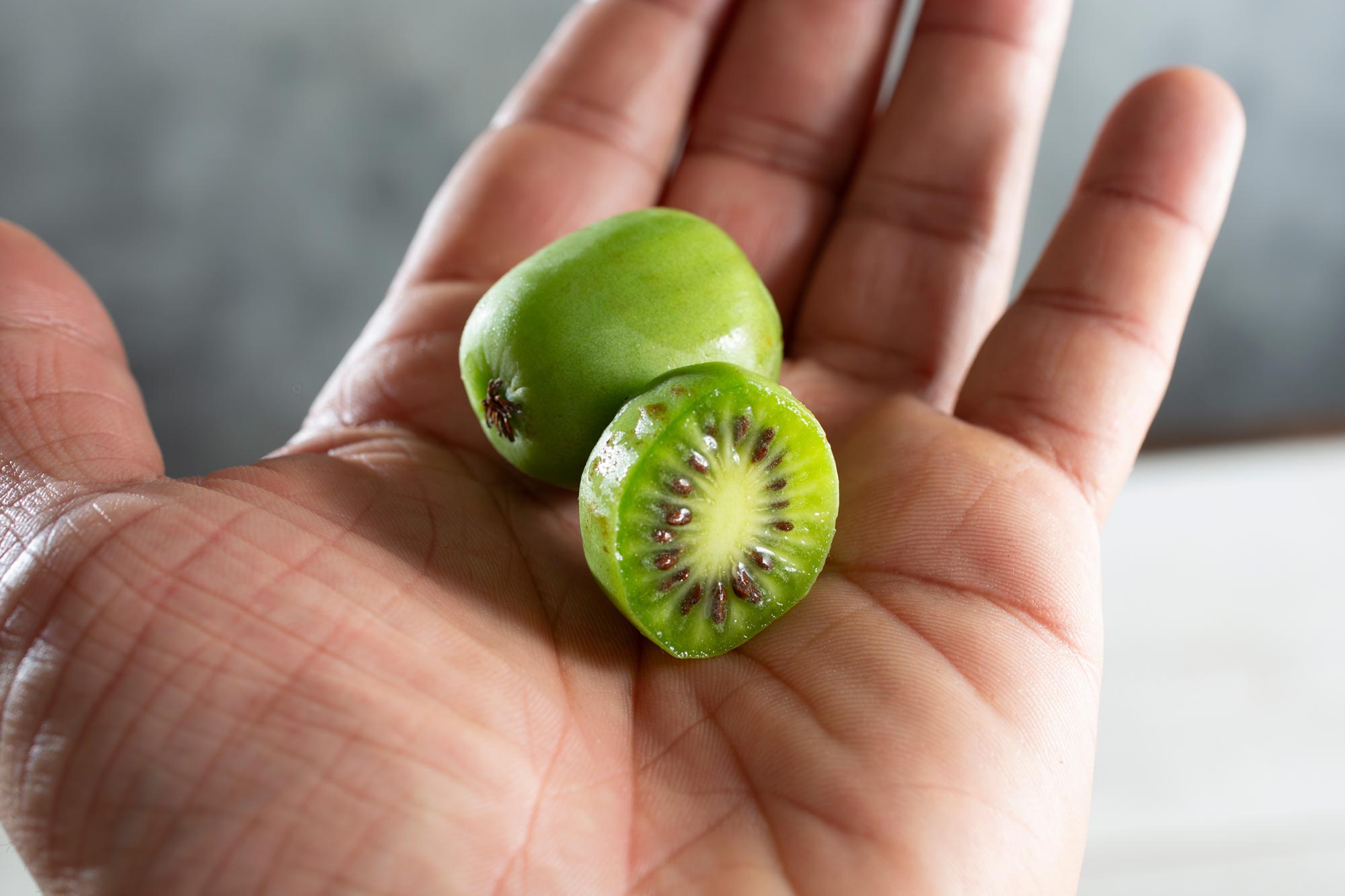
A little-studied fruit related to the kiwiberry is drawing scientific attention for its potential to interfere with early cancer-related processes.
Lung cancer remains the leading cause of cancer-related death in the United States and worldwide, with smoking as its primary risk factor. As a result, scientists continue searching for compounds that can block the earliest stages of cancer before tumors develop.
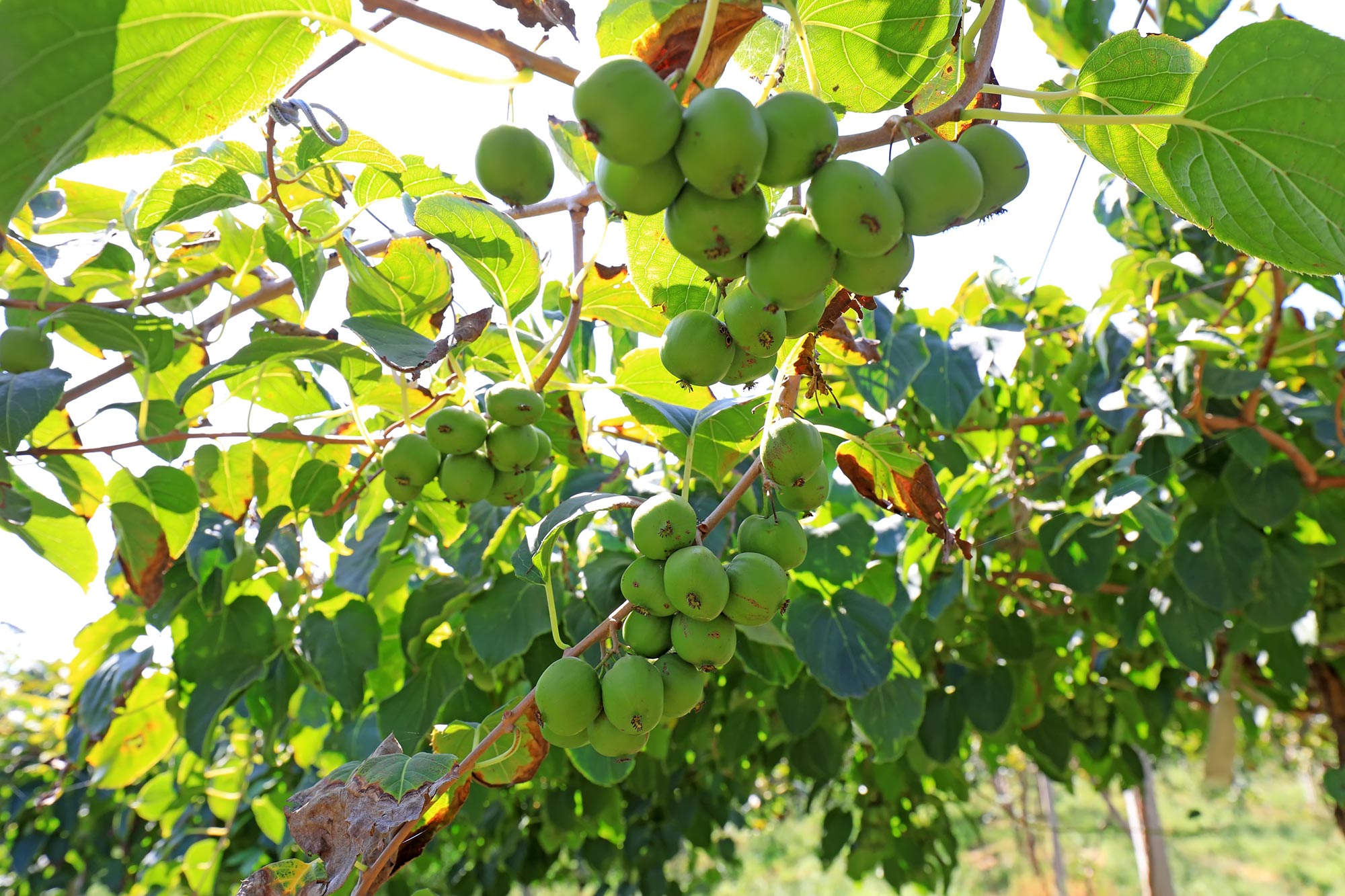
One unexpected candidate is a small fruit known as “Sarunashi” (Actinidia arguta), commonly referred to as the kiwiberry, which is being studied by researchers at Okayama University.
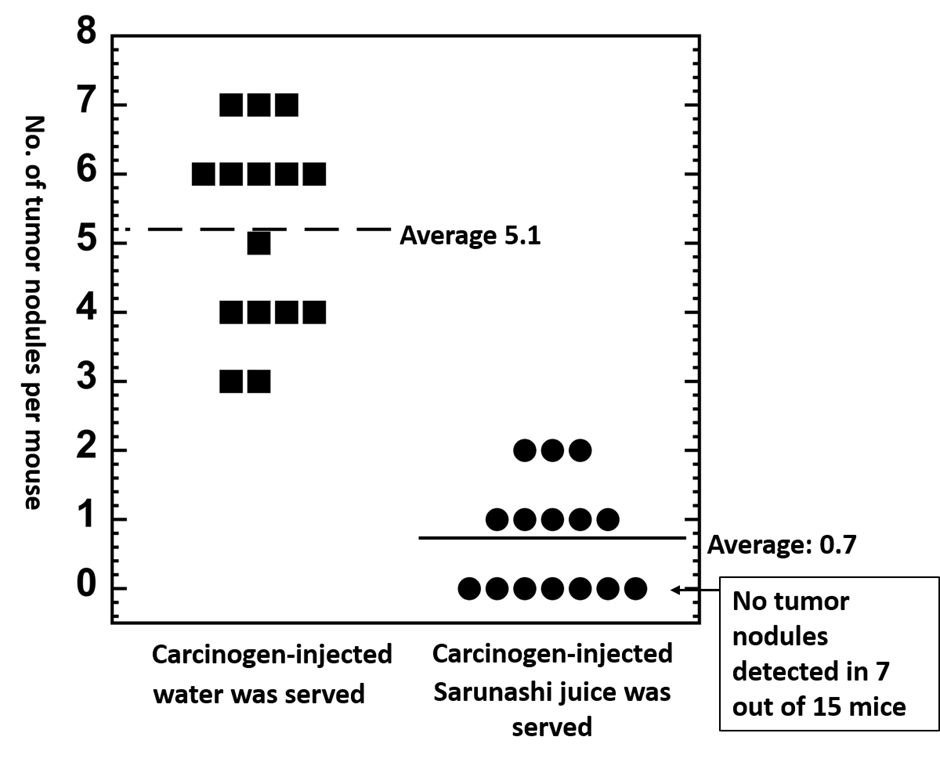
In a study published in the journal Genes and Environment, the team found that juice from the fruit reduced lung tumor formation in mice exposed to NNK, a tobacco-related carcinogen. The juice also lowered the number of tumor nodules in the lungs, while one of its best-known compounds, isoquercetin (isoQ), showed protective effects of its own.
In cell experiments, the juice also suppressed “Akt,” a protein that helps drive cancer growth. Together, those results suggested the fruit may interfere with both the start of cancer and the signals that help tumors keep growing.
Evidence From DNA and Mutation Studies
They also found that Sarunashi juice reduced the DNA-damaging effects of NNK and “MNNG,” which are chemicals known to cause mutations and are often used in cancer research. But that protection disappeared in a strain that lacks important DNA repair enzymes. This suggests the juice may help cells repair harmful genetic damage rather than simply shielding them from it.
Dr. Arimoto-Kobayashi said, “In this study, we sought to investigate the chemo-preventive effects of A. arguta juice and its constituting component isoQ on 4-(methylnitrosamino)-1-(3-pyridyl)-1-butanone (NNK)-induced lung tumorigenesis in A/J mice, and identify the possible mechanisms underlying the anti-tumorigenic effects of A. arguta.”
In a follow-up study, the team tested a tea made from the leaves and twigs of A. arguta and found that it also showed antimutagenic activity in the Ames test against several well-known mutagens, including aflatoxin B1, benzo(a)pyrene, MeIQx, Trp-P-2, and PhIP. The tea appeared weaker than the juice, suggesting the active compounds may be present at lower concentrations, but the overlap was enough to hint that both preparations may rely on some of the same protective chemistry.
Clues From Colorectal Cancer Models
In mice treated with DMH, a chemical used to trigger precancerous changes in the colon, Sarunashi tea significantly reduced the total number of aberrant crypt foci, or ACF, which are widely used as an early warning sign of colorectal tumor development. The total ACF count in tea treated mice fell to 60.5% of the level seen in the DMH only group, and smaller ACF lesions also dropped significantly.
No colon tumors were seen during the study period, but the reduction in these early lesions suggests the plant may have broader chemopreventive potential than initially thought.
Co-author Katsuyuki Kiura, a Professor in the Department of Allergy and Respiratory Medicine at Okayama University Hospital, put it this way: “Sar-j and isoQ reduced NNK-induced lung tumorigenesis. Sar-j targets both the initiation and growth or progression steps during carcinogenesis, specifically via anti-mutagenesis, stimulation of alkyl DNA adduct repair, and suppression of Akt-mediated growth signaling. IsoQ might contribute in part to the biological effects of sar-j via suppression of Akt phosphorylation, but it may not be the main active ingredient.”
The findings indicate that giving mice sar-j by mouth reduced the development of lung tumors. While clinical trials are still needed, the compounds that make up sar-j, including isoQ, appear to be promising options for cancer prevention.
References:
“Chemopreventive effects and anti-tumorigenic mechanisms of Actinidia arguta, known as sarunashi in Japan toward 4-(methylnitrosamino)-1-(3-pyridyl)-1-butanone (NNK)- induced lung tumorigenesis in a/J mouse” by Jun Takata, Naoko Miyake, Yusuke Saiki, Misako Tada, Kensuke Sasaki, Toshio Kubo, Katsuyuki Kiura and Sakae Arimoto-Kobayashi, 9 December 2022, Genes and Environment.
DOI: 10.1186/s41021-022-00255-0
“Antimutagenic effects of a tea made from Actinidia arguta, sarunashi in Japanese, and its inhibitory effects on the formation of aberrant crypt foci induced by 1,2-dimethylhydrazine in mice” by Yusuke Saiki, Naoko Miyake and Sakae Arimoto-Kobayashi, 22 December 2025, Genes and Environment.
DOI: 10.1186/s41021-025-00348-6
Never miss a breakthrough: Join the SciTechDaily newsletter.
Follow us on Google and Google News.