
Close Menu
    Facebook X (Twitter) Instagram
    SciTechDaily
    • Biology
    • Chemistry
    • Earth
    • Health
    • Physics
    • Science
    • Space
    • Technology
    Facebook X (Twitter) Pinterest YouTube RSS
    SciTechDaily
    Home»Space»This Week @NASA: Experimental Supersonic X Plane, Artemis Delays, Webb Discovery in Beta Pictoris System
    Space

    This Week @NASA: Experimental Supersonic X Plane, Artemis Delays, Webb Discovery in Beta Pictoris System

    By NASAJanuary 14, 2024No Comments3 Mins Read
    Facebook Twitter Pinterest Telegram LinkedIn WhatsApp Email Reddit
    Share
    Facebook Twitter LinkedIn Pinterest Telegram Email Reddit
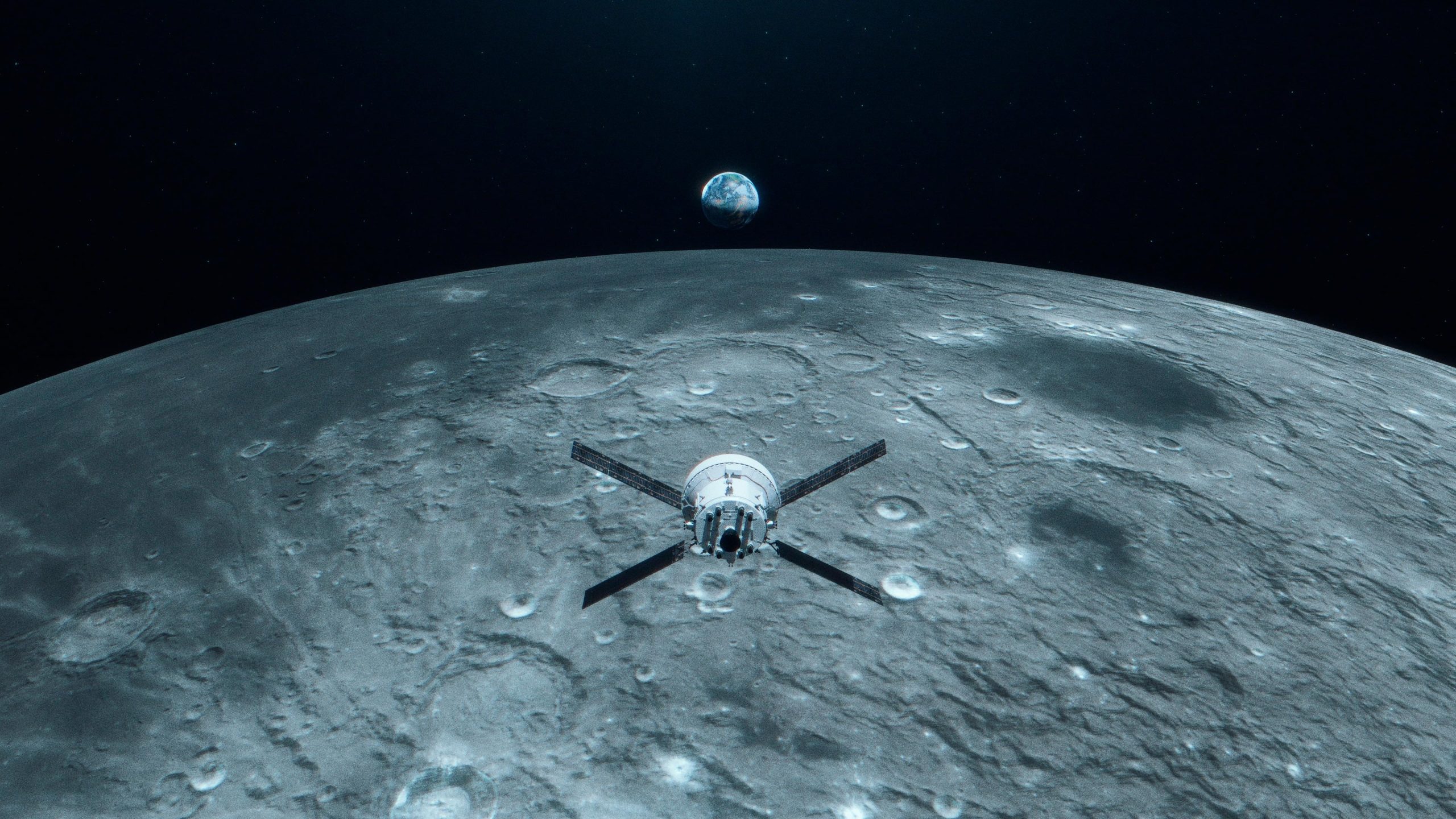
    NASA Orion Spacecraft Over Moon Beyond Earth
    Credit: NASA

    Rollout of NASA’s experimental supersonic X-plane…

    Schedule updates for future Artemis missions…

    And another year of global record heat…

    A few of the stories to tell you about – This Week at NASA!

    Rollout of NASA’s X-59 Quiet Supersonic Aircraft

    On January 12, NASA officially unveiled the fully completed and freshly painted X-59 aircraft during a rollout ceremony hosted by Lockheed Martin Skunk Works in Palmdale California. The X-59 is a one-of-a-kind experimental aircraft that, as part of NASA’s Quesst mission, will demonstrate the ability to fly supersonic while generating a gentle “sonic thump” rather than the typical loud sonic boom. For more information about Quesst, visit nasa.gov/Quesst.
    Artemis II Day of Launch Demonstration Test ISVV-1A
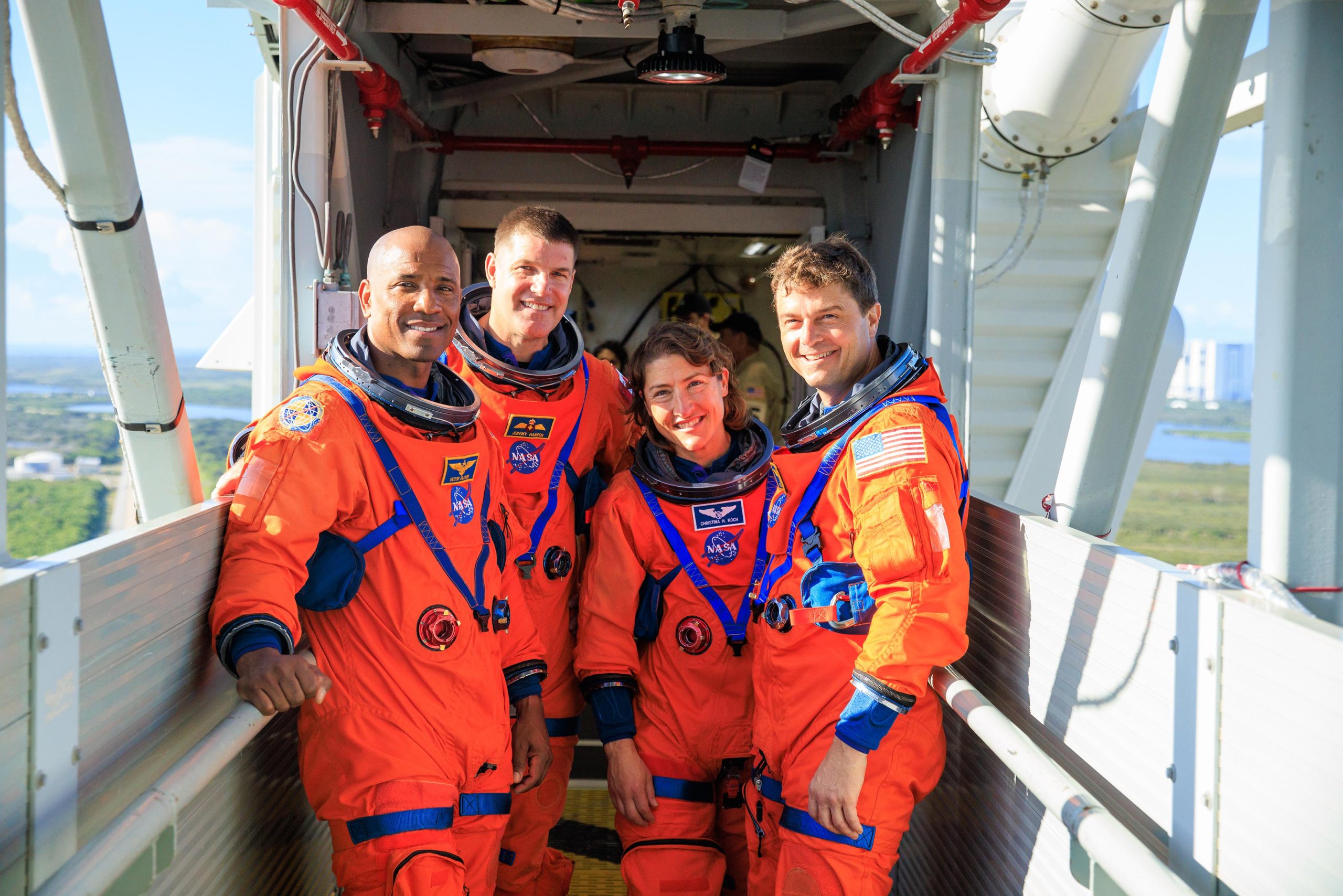
    Artemis II astronauts, from left, NASA astronaut Victor Glover (left), CSA (Canadian Space Agency) astronaut Jeremy Hansen, NASA astronauts Christina Koch and Reid Wiseman stand on the crew access arm of the mobile launcher at Launch Pad 39B as part of an integrated ground systems test at Kennedy Space Center in Florida on Wednesday, September 20. The test ensures the ground systems team is ready to support the crew timeline on launch day. Credit: NASA/Frank Michaux

    NASA Shares Progress Toward Early Crewed Artemis Moon Missions

    NASA has adjusted the schedules for NASA’s Artemis II and Artemis III missions. Artemis II, the first crewed Artemis mission around the Moon, is now targeted for September 2025. Artemis III, which is planned to land the first astronauts near the lunar South Pole, is now being targeted for September 2026. The schedule adjustments were made to allow teams to work through challenges associated with first-time developments, operations, and integration.


    2023 was Earth’s warmest year since 1880, and the last 10 consecutive years have been the warmest 10 on record. But why does NASA, a space agency, look at Earth’s temperature? And how do we even measure global temperature? Credit: NASA’s Goddard Space Flight Center

    NASA Analysis Confirms 2023 as Warmest Year on Record

    According to an analysis by NASA, Earth’s average surface temperature in 2023 was the warmest on record. Global temperatures last year were around 2.1 degrees Fahrenheit above the average for NASA’s baseline period of 1951 through 1980.

    Independent analyses by NOAA and the United Kingdom’s Hadley Centre concluded the global surface temperatures for 2023 were the highest since modern record-keeping began.

    For more about NASA’s Earth science efforts, visit nasa.gov/earth.
    Beta Pictoris (Webb MIRI Image)
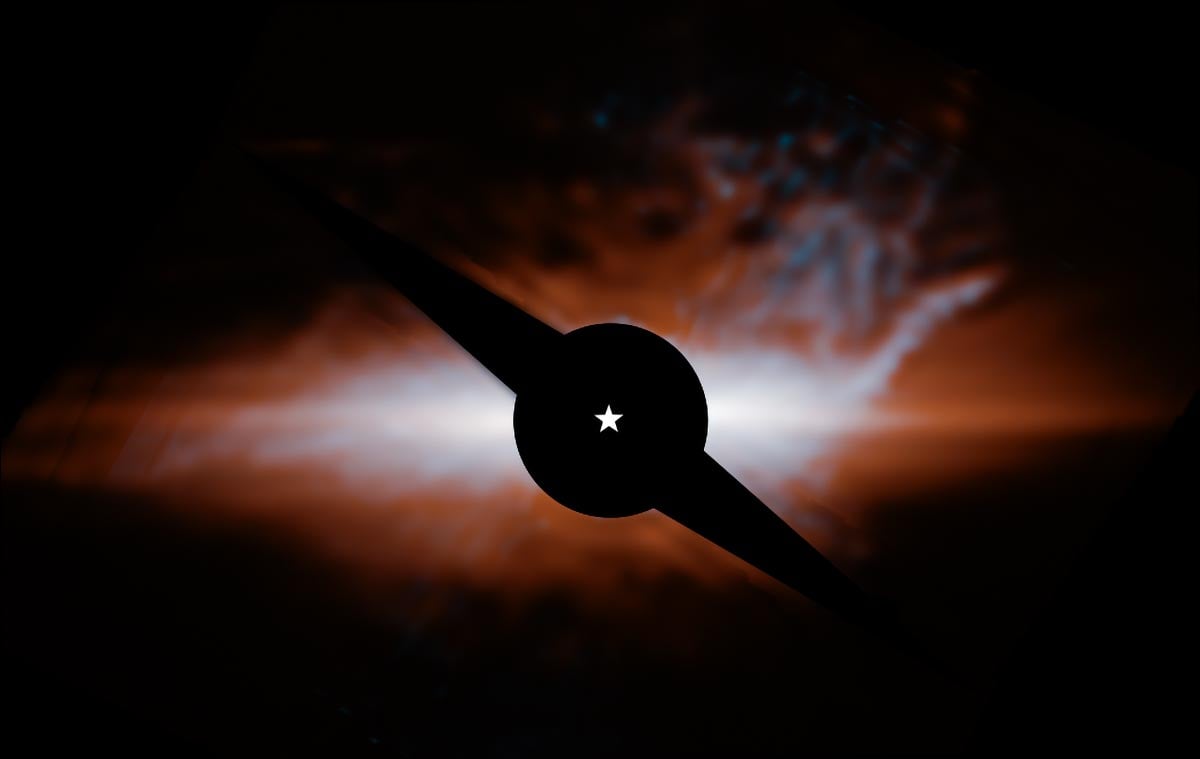
    NASA’s James Webb Space Telescope has imaged star system Beta Pictoris. Webb’s MIRI (Mid-Infrared Instrument) enabled a team of astronomers to investigate the composition of Beta Pic’s main and secondary debris disks—the latter feature previously detected by the Hubble Space Telescope. Credit: NASA, ESA, CSA, STScI, Christopher Stark (NASA-GSFC), Kellen Lawson (NASA-GSFC), Jens Kammerer (ESO), Marshall Perrin (STScI)

    Webb Discovers Dusty “Cat’s Tail” in Beta Pictoris System

    Astronomers using NASA’s James Webb Space Telescope have discovered a new, previously unseen structure in the Beta Pictoris system, about 63 light-years from Earth. The structure is a branch of dust, shaped like a cat’s tail. It extends from the system’s secondary debris disk that has been produced by collisions between asteroids, comets, and planetesimals.

    This and other NASA news was featured at the 243rd meeting of the American Astronomical Society in New Orleans.

    That’s what’s up this week @NASA.

    Never miss a breakthrough: Join the SciTechDaily newsletter.
    Follow us on Google and Google News.

    NASA
    Share. Facebook Twitter Pinterest LinkedIn Email Reddit

    Related Articles

    “At First, We Thought Something Was Wrong” – NASA DART Mission Reveals a Cosmic Snowball Fight

    What’s Really Happening on Venus? Scientists Reveal Surprising Patterns

    “Ghost Galaxy” Made of 99% Dark Matter Discovered 300 Million Light Years Away

    Hubble Captures a Dying Star Cracking Open the Egg Nebula

    NASA’s Curiosity Rover Finds Organic Molecules on Mars That Meteorites Can’t Explain

    Hubble Telescope Spots Strange, Massive Disk 40 Times the Size of Our Solar System

    NASA’s Perseverance Mars Rover Makes History With AI-Planned Drive

    NASA SpaceX Crew-12 Enters Isolation Ahead of Launch

    Astronomers Discover an Earth-Like Planet With a Dangerous Temperature Problem

    Leave A Reply Cancel Reply

    • Facebook
    • Twitter
    • Pinterest
    • YouTube

    Don't Miss a Discovery

    Subscribe for the Latest in Science & Tech!

    Trending News

    Monster Storms on Jupiter Unleash Lightning Beyond Anything on Earth

    Scientists Create “Liquid Gears” That Spin Without Touching

    The Simple Habit That Could Help Prevent Cancer

    Millions Take These IBS Drugs, But a New Study Finds Serious Risks

    Scientists Unlock Hidden Secrets of 2,300-Year-Old Mummies Using Cutting-Edge CT Scanner

    Bread Might Be Making You Gain Weight Even Without Eating More Calories

    Scientists Discover Massive Magma Reservoir Beneath Tuscany

    Europe’s Most Active Volcano Just Got Stranger – Here’s Why Scientists Are Rethinking It

    Follow SciTechDaily
    • Facebook
    • Twitter
    • YouTube
    • Pinterest
    • Newsletter
    • RSS
    SciTech News
    • Biology News
    • Chemistry News
    • Earth News
    • Health News
    • Physics News
    • Science News
    • Space News
    • Technology News
    Recent Posts
    • Scientists Discover Plants “Scream” – We Just Couldn’t Hear Them Until Now
    • 25-Year Study Uncovers Hidden Paths and Early Warning Signs of Blood Cancer
    • Not Just Snoring – New Research Reveals Sleep Apnea May Be Damaging Your Muscles
    • Scientists Discover a Surprising Reason Intermittent Fasting Extends Life
    • Scientists Discover a New Meteor Shower From a Mysterious Crumbling Asteroid
    Copyright © 1998 - 2026 SciTechDaily. All Rights Reserved.
    • Science News
    • About
    • Contact
    • Editorial Board
    • Privacy Policy
    • Terms of Use

    Type above and press Enter to search. Press Esc to cancel.