
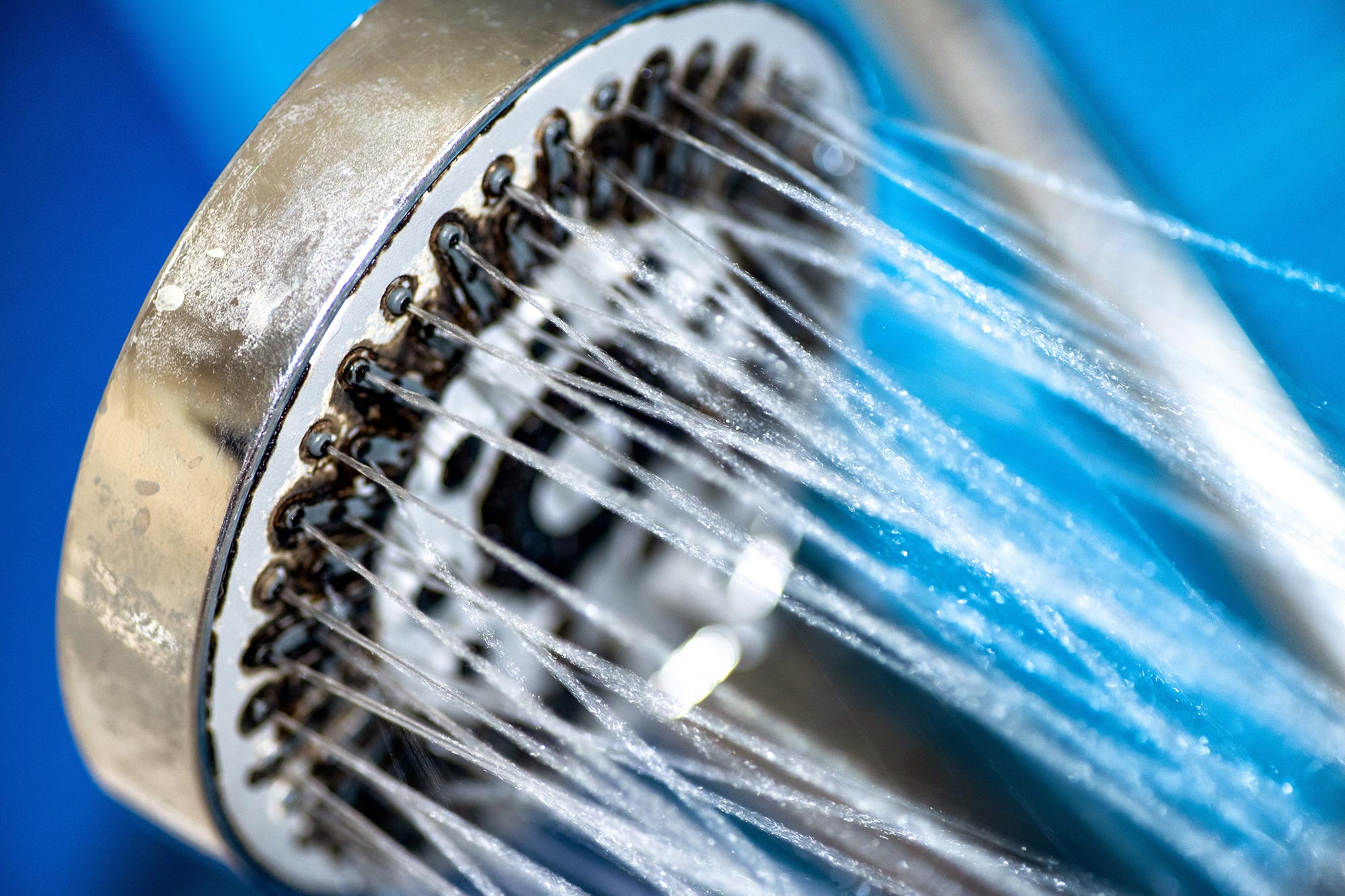
A recent study has found that common bathroom fixtures like showerheads and toothbrushes are teeming with bacteriophages, viruses that attack bacteria, not humans.
This discovery offers promising avenues for treating resistant bacterial infections and underscores the safety of household microbes.
Biodiversity in the Bathroom
Move over, tropical rainforests and coral reefs — the latest hotspot for awe-inspiring biodiversity is closer than you think: your bathroom.
In a groundbreaking study led by Northwestern University, microbiologists discovered that showerheads and toothbrushes are teeming with an incredibly diverse collection of viruses — most of which have never been seen before.
Unseen Viruses: A Treasure Trove in Your Shower
While this might seem alarming, the reassuring news is that these viruses are not harmful to humans. Instead, they target bacteria.
The microorganisms identified in the study are known as bacteriophages, or “phages,” viruses that infect and replicate within bacteria. Despite limited knowledge about them, phages have recently attracted significant interest for their potential in treating antibiotic-resistant bacterial infections. The previously unknown viruses lurking in our bathrooms could provide valuable resources for these medical applications.
The study will be published today (October 9) in the journal Frontiers in Microbiomes.
“The number of viruses that we found is absolutely wild,” said Northwestern’s Erica M. Hartmann, who led the study. “We found many viruses that we know very little about and many others that we have never seen before. It’s amazing how much untapped biodiversity is all around us. And you don’t even have to go far to find it; it’s right under our noses.”
An indoor microbiologist, Hartmann is an associate professor of civil and environmental engineering at Northwestern’s McCormick School of Engineering and a member of the Center for Synthetic Biology.
Operation Pottymouth: Exploring Microbial Life Indoors
The new study is an offshoot of previous research, in which Hartmann and her colleagues at University of Colorado at Boulder characterized bacteria living on toothbrushes and showerheads. For the previous studies, the researchers asked people to submit used toothbrushes and swabs with samples collected from their showerheads.
Inspired by concerns that a flushing toilet might generate a cloud of aerosol particles, Hartmann affectionately called the toothbrush study, “Operation Pottymouth.”
“This project started as a curiosity,” Hartmann said. “We wanted to know what microbes are living in our homes. If you think about indoor environments, surfaces like tables and walls are really difficult for microbes to live on. Microbes prefer environments with water. And where is there water? Inside our showerheads and on our toothbrushes.”
Harnessing Virus Diversity for Medical Innovation
After characterizing bacteria, Hartmann then used DNA sequencing to examine the viruses living on those same samples. She was immediately blown away. Altogether, the samples comprised more than 600 different viruses — and no two samples were alike.
“We saw basically no overlap in virus types between showerheads and toothbrushes,” Hartmann said. “We also saw very little overlap between any two samples at all. Each showerhead and each toothbrush is like its own little island. It just underscores the incredible diversity of viruses out there.”
While they found few patterns among all the samples, Hartmann and her team did notice more mycobacteriophage than other types of phage. Mycobacteriophage infect mycobacteria, a pathogenic species that causes diseases like leprosy, tuberculosis and chronic lung infections. Hartmann imagines that, someday, researchers could harness mycobacteriophage to treat these infections and others.
“We could envision taking these mycobacteriophage and using them as a way to clean pathogens out of your plumbing system,” she said. “We want to look at all the functions these viruses might have and figure out how we can use them.”
Living with Microbes: No Need for Alarm
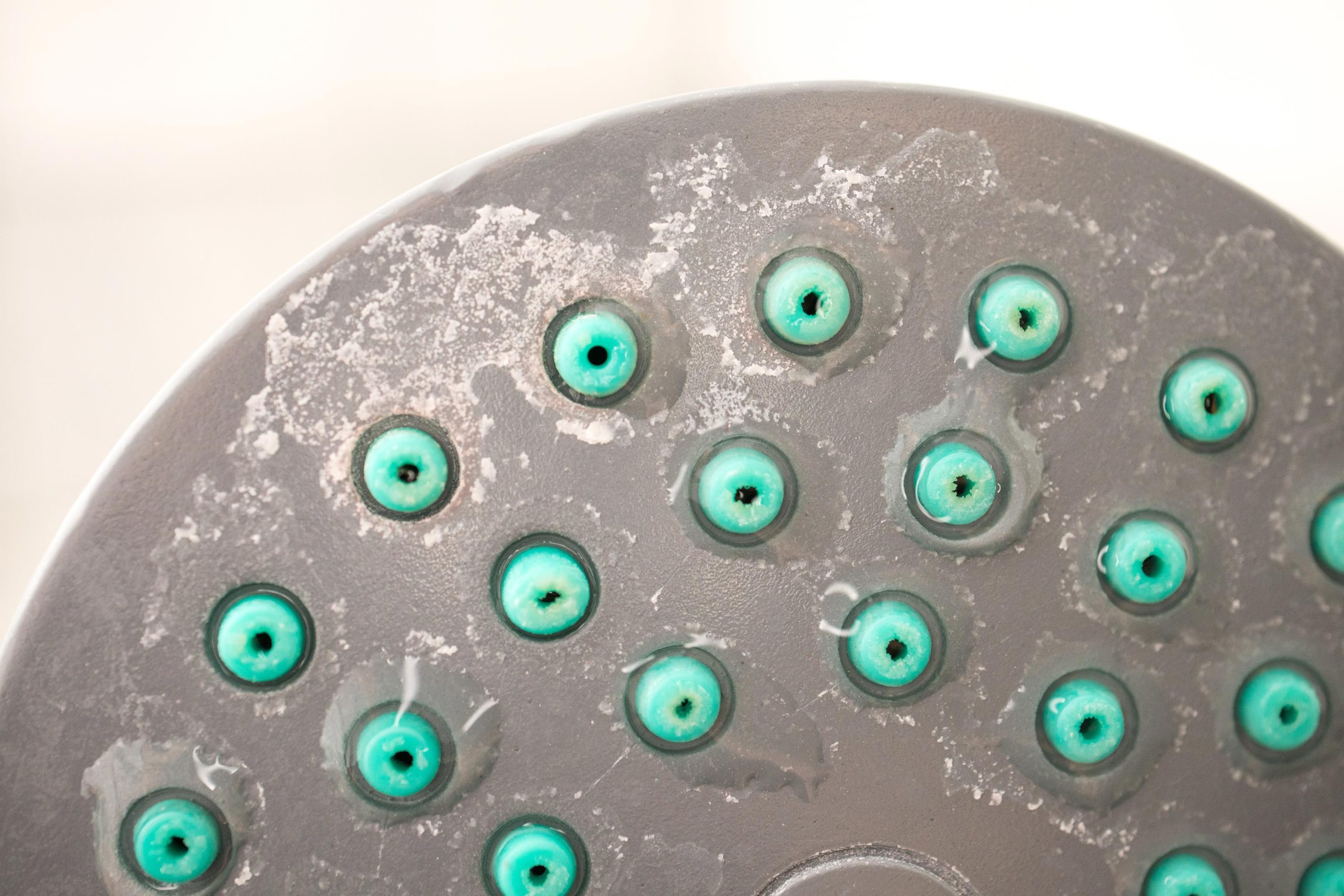
But, in the meantime, Hartmann cautions people not to fret about the invisible wildlife living within our bathrooms. Instead of grabbing for bleach, people can soak their showerheads in vinegar to remove calcium buildup or simply wash them with plain soap and water. And people should regularly replace toothbrush heads, Hartmann says. Hartmann also is not a fan of antimicrobial toothbrushes, which she said can lead to antibiotic-resistant bugs.
“Microbes are everywhere, and the vast majority of them will not make us sick,” she said. “The more you attack them with disinfectants, the more they are likely to develop resistance or become more difficult to treat. We should all just embrace them.”
The study, “Phage communities in household-related biofilms correlate with bacterial hosts but do not associate with other environmental factors,” was supported by Northwestern University.
Reference: “Phage communities in household-related biofilms correlate with bacterial hosts” by Stefanie Huttelmaier, Weitao Shuai, Jack Sumner, Matthew Gebert, Noah Fierer and Erica M. Hartmann, 30 August 2024, Frontiers in Microbiomes.
DOI: 10.3389/frmbi.2024.1396560
Never miss a breakthrough: Join the SciTechDaily newsletter.
Follow us on Google and Google News.