
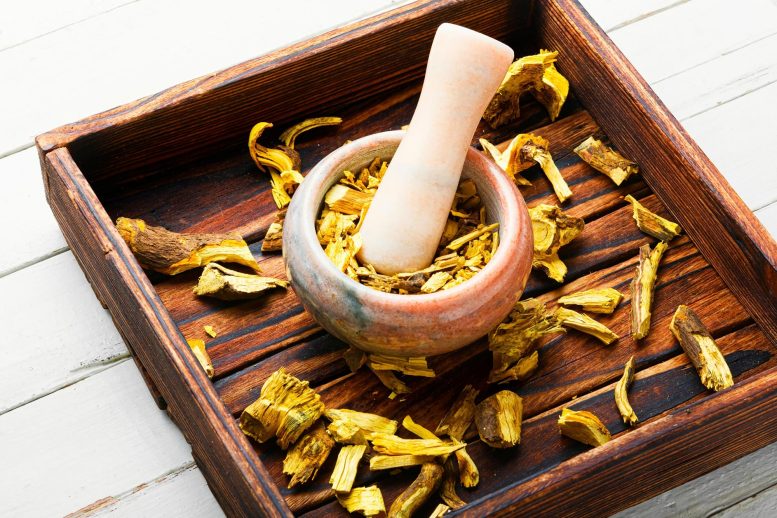
The natural compound berberine, which is present in plants like goldenseal and barberry, has promise for the treatment of lung diseases.
According to a recent study, the natural compound berberine, which is present in plants like goldenseal and barberry, inhibits the growth of lung cancer cells in the lab. It also lessens inflammation of the airways and reduces the damage to healthy lung cells exposed to the toxins from cigarette smoke.
Around 1.8 million deaths from lung cancer are reported each year, making it the leading cause of cancer-related deaths worldwide. Chronic inflammation increases the risk of lung cancer and other disorders including chronic obstructive pulmonary disease (COPD) and asthma.
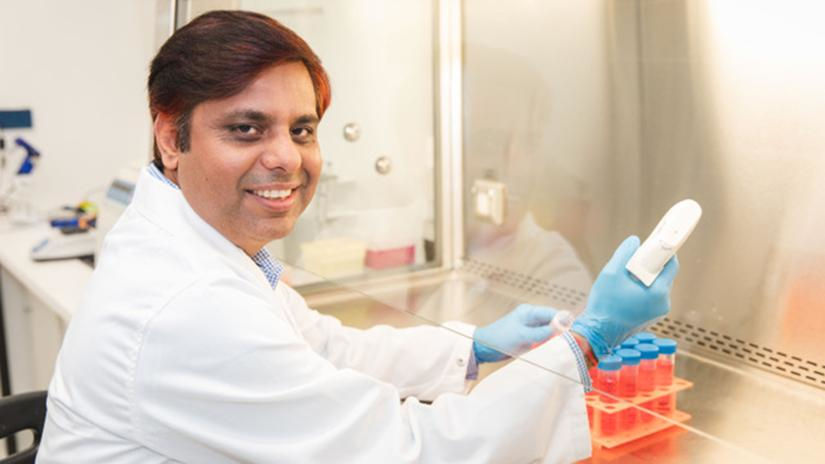
“Berberine has shown therapeutic benefits for diabetes and cardiovascular disease. We were keen to explore its potential in suppressing lung cancer and reducing inflammation,” says lead researcher Dr. Kamal Dua, a senior lecturer in Pharmacy at the University of Technology Sydney (UTS).
Berberine’s Anti-Cancer Mechanism of Action
In a study recently published in the journal Pharmaceutics, berberine’s impact on non-small cell lung cancer has been evaluated. It demonstrates that berberine has significant anticancer activity, suppressing the growth of cancer cells in vitro.
By assessing the mRNA levels of tumor-associated genes and protein expression levels, the potential mechanism of action for anti-cancer efficacy was identified. It demonstrated that berberine regulates proteins involved in cancer cell migration and proliferation while upregulating genes known to decrease tumor growth.
The study is a follow-up to research led by Dr. Dua that was recently published in the journal Antioxidants and demonstrated that berberine may inhibit oxidative stress, reduce inflammation, and slow down cellular senescence caused by cigarette smoke extract in lab-grown human healthy lung cells.
Professors Phil Hansbro, Brian Oliver, Bikash Manandhar, and Keshav Raj Paudel were also members of the research team. International colleagues from Qassim University in Saudi Arabia and the International Medical University in Malaysia also contributed.
Dr. Dua’s focus is on exploring the curative potential of traditional medicinal plants and how their active compounds work at the cellular level. He has a multi-faceted research background with experience in drug delivery technology, biomedical sciences, immunology, and microbiology.
Challenges with Berberine’s Therapeutic Use and Nanoparticle Solution
Berberine has long been used in traditional Chinese and Ayurvedic medicine, however, its therapeutic benefits have been limited by its lack of water solubility and absorption in the gut, as well as toxicity at higher doses.
To overcome these challenges Dr. Dua has developed the use of liquid crystalline nanoparticles, an advanced drug delivery system that encapsulates berberine in tiny soluble and biodegradable polymer balls to enhance safety and effectiveness.
Decades of research have shown that cigarette smoke is toxic to lung cells, causing inflammation of the airways and hastening diseases such as cancer, chronic obstructive pulmonary disease (COPD), and asthma.
The researchers found that berberine suppressed the generation of inflammatory chemicals, called reactive oxygen species, which cause damaging effects to cells. It also modulated genes involved in inflammation, oxidative stress, and reduced premature cell senescence.
Dr. Dua is now in discussion and working closely with Sydney-based companies to take this research to the next level and identify the best formulation and delivery system for these nanoparticles so that they can be translated to the bedside.
References: “Evaluation of the Cytotoxic Activity and Anti-Migratory Effect of Berberine–Phytantriol Liquid Crystalline Nanoparticle Formulation on Non-Small-Cell Lung Cancer In Vitro” by Abdullah M. Alnuqaydan, Abdulmajeed G. Almutary, Mohd Azam, Bikash Manandhar, Geena Hew Suet Yin, Lee Li Yen, Thiagarajan Madheswaran, Keshav Raj Paudel, Philip M. Hansbro, Dinesh Kumar Chellappan and Kamal Dua, 24 May 2022, Pharmaceutics.
DOI: 10.3390/pharmaceutics14061119
“Attenuation of Cigarette-Smoke-Induced Oxidative Stress, Senescence, and Inflammation by Berberine-Loaded Liquid Crystalline Nanoparticles: In Vitro Study in 16HBE and RAW264.7 Cells” by Keshav Raj Paudel, Nisha Panth, Bikash Manandhar, Sachin Kumar Singh, Gaurav Gupta, Peter R. Wich, Srinivas Nammi, Ronan MacLoughlin, Jon Adams, Majid Ebrahimi Warkiani, Dinesh Kumar Chellappan, Brian G. Oliver, Philip M. Hansbro and Kamal Dua, 28 April 2022, Antioxidants.
DOI: 10.3390/antiox11050873
Never miss a breakthrough: Join the SciTechDaily newsletter.
Follow us on Google and Google News.