
Close Menu
    Facebook X (Twitter) Instagram
    SciTechDaily
    • Biology
    • Chemistry
    • Earth
    • Health
    • Physics
    • Science
    • Space
    • Technology
    Facebook X (Twitter) Pinterest YouTube RSS
    SciTechDaily
    Home»Earth»We Asked a NASA Scientist: Has COVID Affected Climate Change?
    Earth

    We Asked a NASA Scientist: Has COVID Affected Climate Change?

    By NASAJune 10, 20231 Comment3 Mins Read
    Facebook Twitter Pinterest Telegram LinkedIn WhatsApp Email Reddit
    Share
    Facebook Twitter LinkedIn Pinterest Telegram Email Reddit
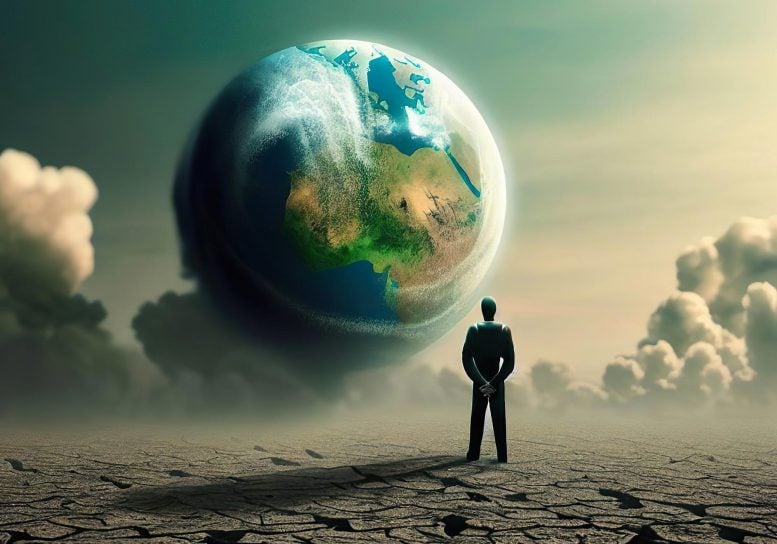
    Earth Climate Change Art Concept
    The COVID-19 pandemic led to a significant decrease in air pollutants like nitrogen dioxide, but its impact on climate change was minimal. Reductions in greenhouse gas emissions were only about 5 to 10% due to the continued operation of power plants for heating and cooling. Despite slight decreases, greenhouse gases continued to accumulate in the atmosphere, emphasizing the necessity of ongoing emission reduction efforts.

    Has COVID affected climate change?

    This is a question we actually get a lot because one of the first things that people notice in terms of the environment during COVID was that the air seemed to be a little bit cleaner.

    And when scientists started looking at the data, we did see a decrease in air quality pollutants like nitrogen dioxide. In some cases, those decreases were as large as 30%. So pretty significant.

    But when we started looking more at greenhouse gases like carbon dioxide, the gases that stay in the atmosphere a really long time and caused climate change, we saw that the decreases were much more subtle, more on the order of 5 to 10%.

    That’s because the shorter-lived air pollutants that are harmful to human health are emitted more strongly from things like traffic, while the climate polluters, like carbon dioxide, come from things like power plants. And during COVID, while we weren’t driving as much going into the office or meeting up with friends, we were still heating our homes. We were still using air conditioning during the summer. So those decreases in the gases that caused climate change were much more subtle.


    Greenhouse gas emissions decreased a little during the first year of COVID, but not enough to make a lasting impact. Less travel and cars on the road meant improved air quality. But greenhouse gases that cause climate change only decreased a little because we were still heating and cooling our homes, so these gases continued to build up in our atmosphere. NASA climate change scientist Lesley Ott tells us more about what scientists discovered. Credit: NASA

    So has COVID affected climate change? The answer is a little bit.

    We saw small decreases in emissions of greenhouse gases, like carbon dioxide and methane, but they continued to build up in our atmosphere much like in any other year.

    That means that we all have to continue to work hard to reduce emissions of those gases if we really want to turn climate change around.

    We Asked a NASA Expert Video Series

    • Why is Sea Level Rising?
    • Why is Venus Called Earth’s Evil Twin?
    • Is NASA Really Crashing a Spacecraft Into an Asteroid?
    • Is NASA Aware of Any Earth-Threatening Asteroids?
    • When Was the Last Time an Asteroid Hit Earth?
    • How Did Perseverance Mars Rover Pick Its Landing Spot?
    • What if an Asteroid Was Going To Hit Earth?
    • Did Mars Ever Look Like Earth?
    • What Are Lagrange Points?
    • What Are the Trojan Asteroids?
    • Is There Oxygen on Mars?
    • Does NASA Know About All the Asteroids?
    • Do Aliens Exist?
    • Is There Weather on Mars?
    • Will an Asteroid Ever Hit Earth?
    • Is Mars Habitable?
    • Could Microbes Survive a Trip to Mars?

    Never miss a breakthrough: Join the SciTechDaily newsletter.
    Follow us on Google and Google News.

    Climate Change COVID-19 Greenhouse Gas NASA
    Share. Facebook Twitter Pinterest LinkedIn Email Reddit

    Related Articles

    Frozen Carbon Unleashed: Arctic Meltdown Accelerates Climate Crisis

    NASA Launches Super-Emitter Spy: Tanager-1 To Track Down Climate Culprits

    Methane Mayhem: Unveiling the Hidden Culprits Behind U.S. Greenhouse Gas Surges

    NASA’s EMIT Mission Detects More Than 50 Methane “Super-Emitters” From Space

    Millions of Arctic Methane Hotspots Detected by NASA – Global Climate Change Impact

    NASA Study Reveals Oceans Temporarily Hide Global Warming

    NASA to Launch Spacecraft to Keep Track of Global Carbon Dioxide

    Increased Methane Gas Levels Found Over Cracks in Arctic Sea Ice

    NASA’s GISS Releases Data Showing 2011 was Ninth-Warmest Year on Record

    1 Comment

    1. Clyde Spencer on June 11, 2023 11:14 am

      “… we saw that the [CO2] decreases were much more subtle, more on the order of 5 to 10%.”

      That is the average over the course of a calendar year. Individual monthly emissions were much larger, with April 2020 anthropogenic emissions decreasing more than 18%. Yes, the atmospheric CO2 concentration continued to increase. However, the rate of increase and the seasonal peak in May were no different than the preceding or following year. The question should be, why were there no measurable impacts of the decreases?

      https://wattsupwiththat.com/2021/06/11/contribution-of-anthropogenic-co2-emissions-to-changes-in-atmospheric-concentrations/

      https://wattsupwiththat.com/2022/03/22/anthropogenic-co2-and-the-expected-results-from-eliminating-it/

      Reply
    Leave A Reply Cancel Reply

    • Facebook
    • Twitter
    • Pinterest
    • YouTube

    Don't Miss a Discovery

    Subscribe for the Latest in Science & Tech!

    Trending News

    Scientists May Have Found the Key to Jupiter and Saturn’s Moon Mystery

    Scientists Uncover Brain Changes That Link Pain to Depression

    Saunas May Do More Than Raise Body Temperature – They Activate Your Immune System

    Exercise in a Pill? Metformin Shows Surprising Effects in Cancer Patients

    Hidden Oceans of Magma Could Be Protecting Alien Life

    New Study Challenges Alzheimer’s Theories: It’s Not Just About Plaques

    Artificial Sweeteners May Harm Future Generations, Study Suggests

    Splashdown! NASA Artemis II Returns From Record-Breaking Moon Mission

    Follow SciTechDaily
    • Facebook
    • Twitter
    • YouTube
    • Pinterest
    • Newsletter
    • RSS
    SciTech News
    • Biology News
    • Chemistry News
    • Earth News
    • Health News
    • Physics News
    • Science News
    • Space News
    • Technology News
    Recent Posts
    • Scientists Make Breakthrough on 40-Year-Old 2D Physics Puzzle
    • As Cities Invade the Amazon, Yellow Fever Makes a Dangerous Comeback
    • “Asian Flush” May Be a Hidden Trigger for Deadly Heart Damage
    • AI Could Detect Early Signs of Alzheimer’s in Under a Minute – Far Before Traditional Tests
    • What if Dark Matter Has Two Forms? Bold New Hypothesis Could Explain a Cosmic Mystery
    Copyright © 1998 - 2026 SciTechDaily. All Rights Reserved.
    • Science News
    • About
    • Contact
    • Editorial Board
    • Privacy Policy
    • Terms of Use

    Type above and press Enter to search. Press Esc to cancel.