
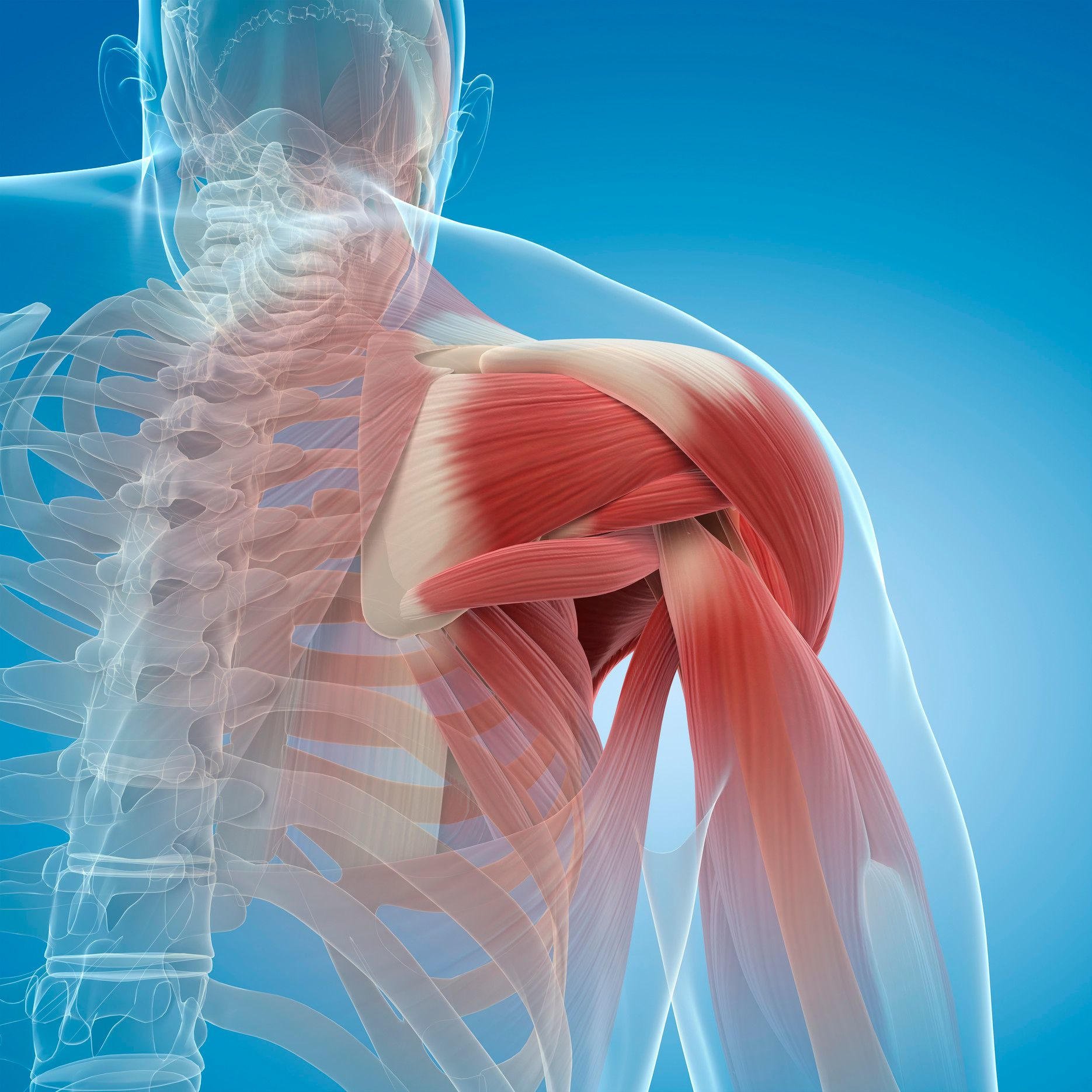
Cornell University researchers have created a detailed understanding of how muscles lose their ability to regenerate as they age, using mice as a model. They identified 29 cell types and found that immune cells and muscle stem cells behave differently in older mice, leading to discoordination in muscle repair.
As muscles age, their cells lose the ability to regenerate and heal after injury. Now, Cornell University researchers have created the most comprehensive portrait to date of how that change, in mice, unfolds over time.
“The fundamental question that drove the initial study was really a question that had perplexed the skeletal muscle biology community,” said Ben Cosgrove, associate professor of biomedical engineering and the paper’s senior author. “Does the decline in regeneration seen in old muscles come from changes to the stem cells that drive the repair process themselves, or does it come from changes in the way that they are instructed by other cell types?”
In the study published in Nature Aging, researchers sampled cells from young, old, and geriatric mice at six time points after inducing injury via a variant of snake venom toxin. They identified 29 defined cell types, including immune cells that exhibited differences in their abundance and reaction time between age groups, and muscle stem cells that self-renew in youth but stall out as muscles age.
Discoordination in Muscle Repair with Aging
The detailed assessment of many cell types over time showed discoordination in the process of muscle repair in older mice. Many immune cells, which coordinate tissue repair, show up at the wrong time.
“There’s too many of them or too few of them,” Cosgrove said. “The immune cells are playing the wrong music. They’re out of step with each other in the older muscles.”
The research team used a novel method to evaluate senescence – when a cell can no longer divide.
“We developed what we are calling a transfer-learning based method,” said lead author Lauren Walter, a doctoral student in Cosgrove’s lab at the time of the study. “We used an existing list of genes to score a cell’s senescence status and then used that methodology to evaluate senescence across age and regeneration time point.”
The study provides a better understanding of the interactions between cell types and how they induce senescence, which could inform efforts to develop drugs that target senescent cells.
Reference: “Transcriptomic analysis of skeletal muscle regeneration across mouse lifespan identifies altered stem cell states” by Lauren D. Walter, Jessica L. Orton, Ioannis Ntekas, Ern Hwei Hannah Fong, Viviana I. Maymi, Brian D. Rudd, Iwijn De Vlaminck, Jennifer H. Elisseeff and Benjamin D. Cosgrove, 22 November 2024, Nature Aging.
DOI: 10.1038/s43587-024-00756-3
The research was supported by the U.S. National Institutes of Health, the Bloomberg~Kimmel Institute and the Morton Goldberg Professorship.
Never miss a breakthrough: Join the SciTechDaily newsletter.
Follow us on Google and Google News.
1 Comment
Since the muscle injury was induced by a “variant of snake venom toxin”, how can the researchers be absolutely sure that the toxin didn’t play any role in the signal discoordination they measured? After all, toxins often have unexpected effects on cells.
Different mice may also have had slightly different reactions to this toxin. Not to mention that they would have had to give each mouse the identical dose of toxin per gram of body weight.
Actual physical injuries (such as a small cut or other wound) would have provided a much clearer understanding of muscle repair at different stages of a cell’s age. Aside from being more highly repeatable and matched from mouse to mouse, it would rule out any unforeseen effects of the toxin from the results.