
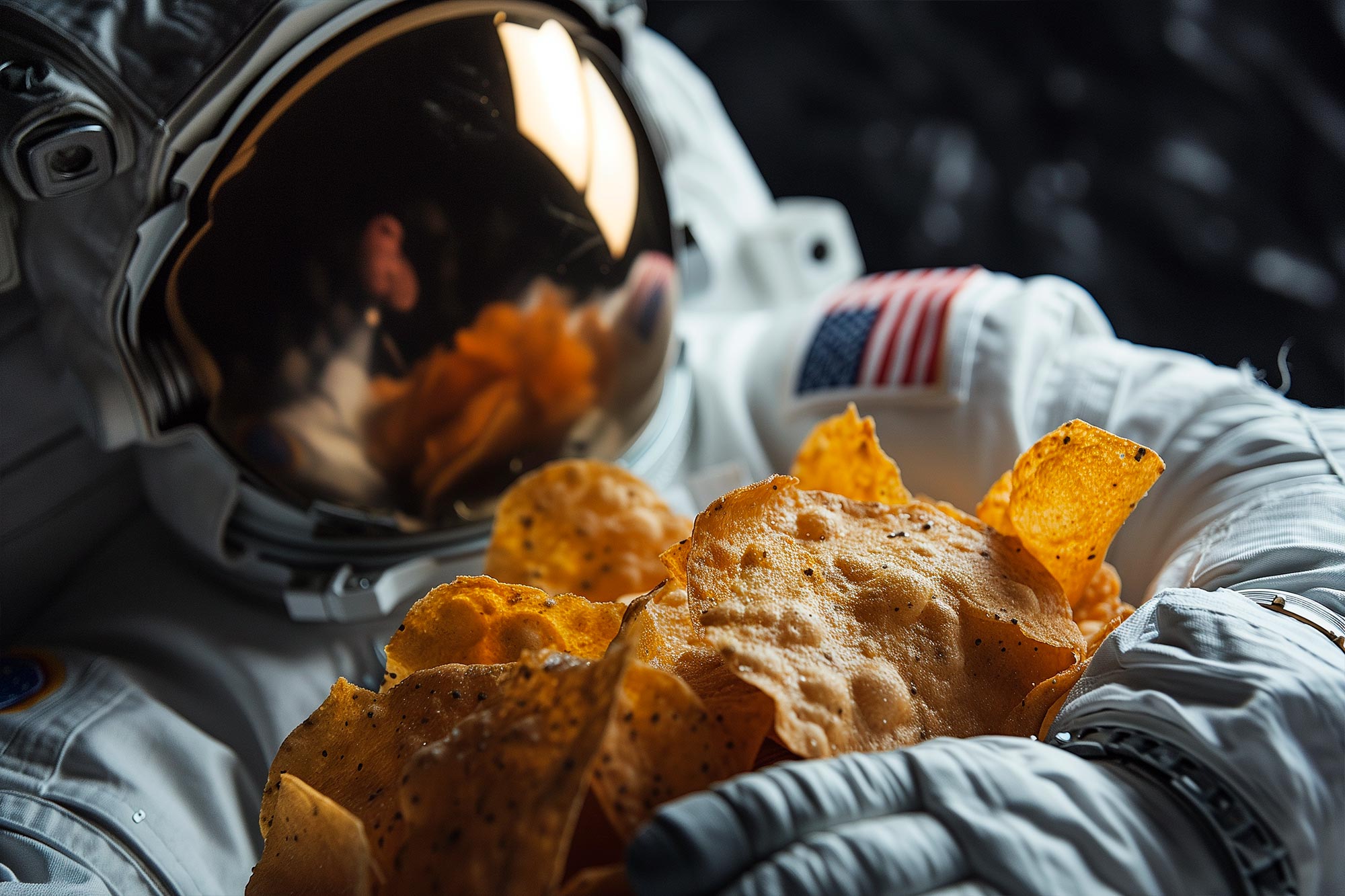
A study by RMIT University reveals that intensifying certain food aromas in simulated space conditions could explain why astronauts experience bland tastes and highlights the potential to improve nutritional intake for isolated individuals on Earth and in space.
Researchers at RMIT University have conducted a pioneering study on typical food aromas, aiming to understand why astronauts often find their meals bland in space and have difficulty consuming their usual amount of nutrients.
This research, which is published in the International Journal of Food Science and Technology, has broader implications for improving the diets of isolated people, including nursing home residents, by personalizing aromas to enhance the flavor of their food.
Previous research has shown that aroma plays a big role in the flavor of food. The team in this study tested how people perceived vanilla and almond extracts and lemon essential oil changed from normal environments on Earth to the confined setting of the International Space Station (ISS), which was simulated for participants with virtual reality goggles.
Isolation and Sensory Experience
Lead researcher Dr Julia Low from the School of Science said vanilla and almond aromas were more intense in the ISS-simulated environment, while the lemon scent remained unchanged. The team found a particular sweet chemical in the aromas of vanilla and almond, called benzaldehyde, could explain the change in perceptions, in addition to an individual’s sensitivity to the particular smell.
“A greater sense of loneliness and isolation may also play a role, and there are implications from this study around how isolated people smell and taste food,” Low said.
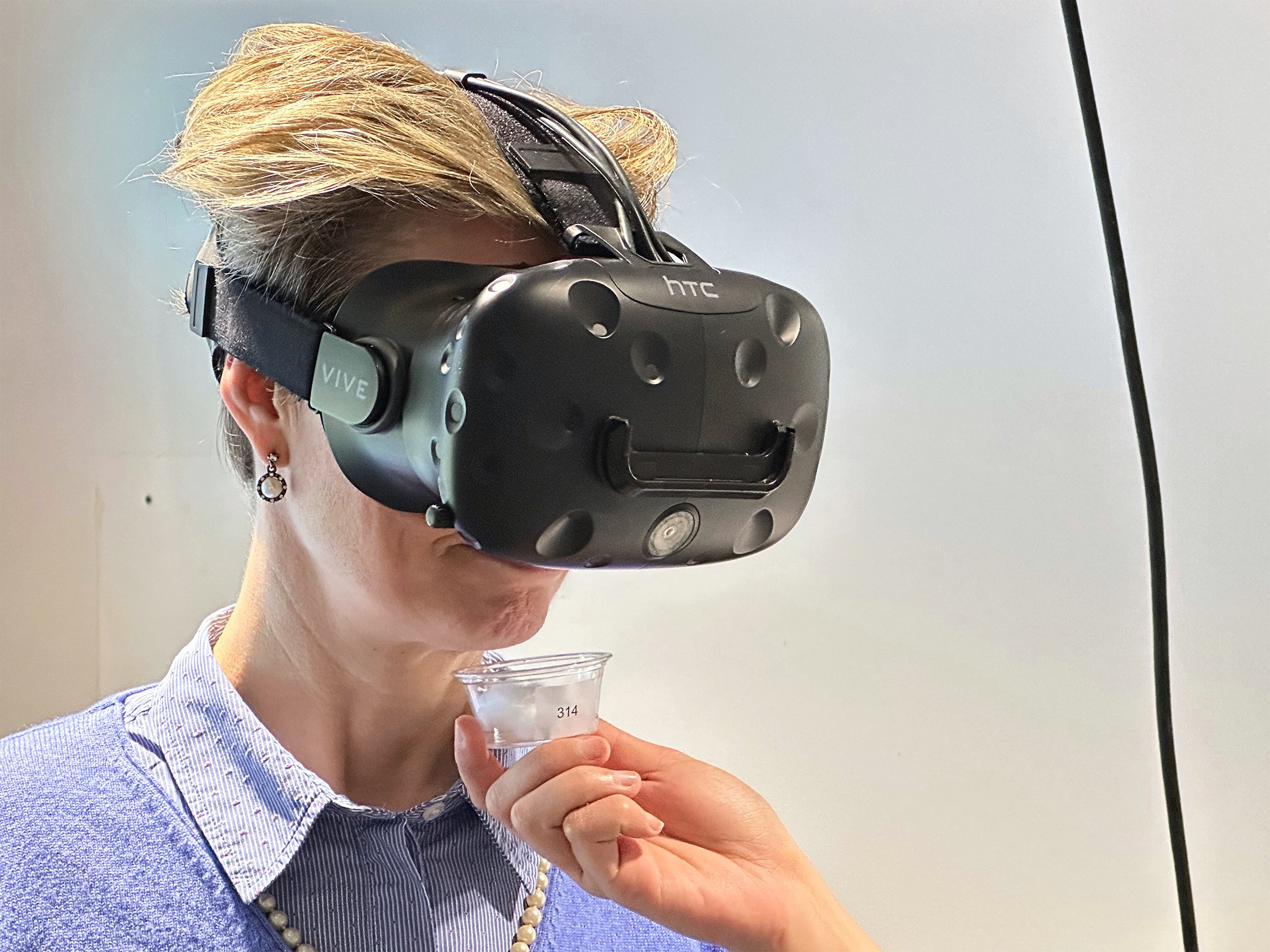
This is also the first study to involve a large sample size, with 54 adults, and capture the variation of individuals’ personal experience of aromas and tastes in isolated settings.
“One of the long-term aims of the research is to make better-tailored foods for astronauts, as well as other people who are in isolated environments, to increase their nutritional intake closer to 100%,” Low said.
She said their findings that spatial perception played a significant role in how people smell aromas complemented results from other studies on the topic of astronauts’ eating experience in space, including the phenomenon of fluid shift. Weightlessness causes fluid to shift from the lower to the upper parts of the body, which creates facial swelling and nasal congestion that affects the sense of smell and taste. These symptoms typically begin to disappear within a few weeks of being on board the space station.
“Astronauts are still not enjoying their food even after fluid shift effects have gone, suggesting that there’s something more to this,” Low said.
Long-term Space Missions and Future Research
Former astronaut instructor and co-researcher Associate Professor Gail Iles from RMIT said despite carefully designed diet plans, astronauts were not meeting their nutritional needs, which was dangerous for long-term missions.
“What we’re going to see in the future with the Artemis missions are much longer missions, years in length, particularly when we go to Mars, so we really need to understand the problems with diet and food and how crew interacts with their food,” said Iles, from the School of Science. “The incredible thing with this VR study is that it really does go a very long way to simulating the experience of being on the space station. And it really does change how you smell things and how you taste things.”
Co-researcher Associate Professor Jayani Chandrapala, a food chemistry expert from RMIT, said the sweet aroma of benzaldehyde, a common chemical compound in vanilla and almond, played a major role in the change in people’s perceptions of aroma in the space simulation.
“In our study, we believe that it’s this sweet aroma that gives that highly intensive aroma within the VR setting,” said Chandrapala from the School of Science.
Low said the study could have implications for people living in socially isolated environments on Earth, not just space travelers.
“The results of this study could help personalize people’s diets in socially isolated situations, including in nursing homes, and improve their nutritional intake,” Low said.
Reference: “Smell perception in virtual spacecraft? A ground-based approach to sensory data collection” by Grace Loke, Hirdesh Chand, Jayani Chandrapala, Ian Peake, Anne Besnard Chabot, Kevin Kantono, Gail Iles, Charles Brennan, Lisa Newman and Julia Low, 16 July 2024, International Journal of Food Science & Technology.
DOI: 10.1111/ijfs.17306
Never miss a breakthrough: Join the SciTechDaily newsletter.
Follow us on Google and Google News.