
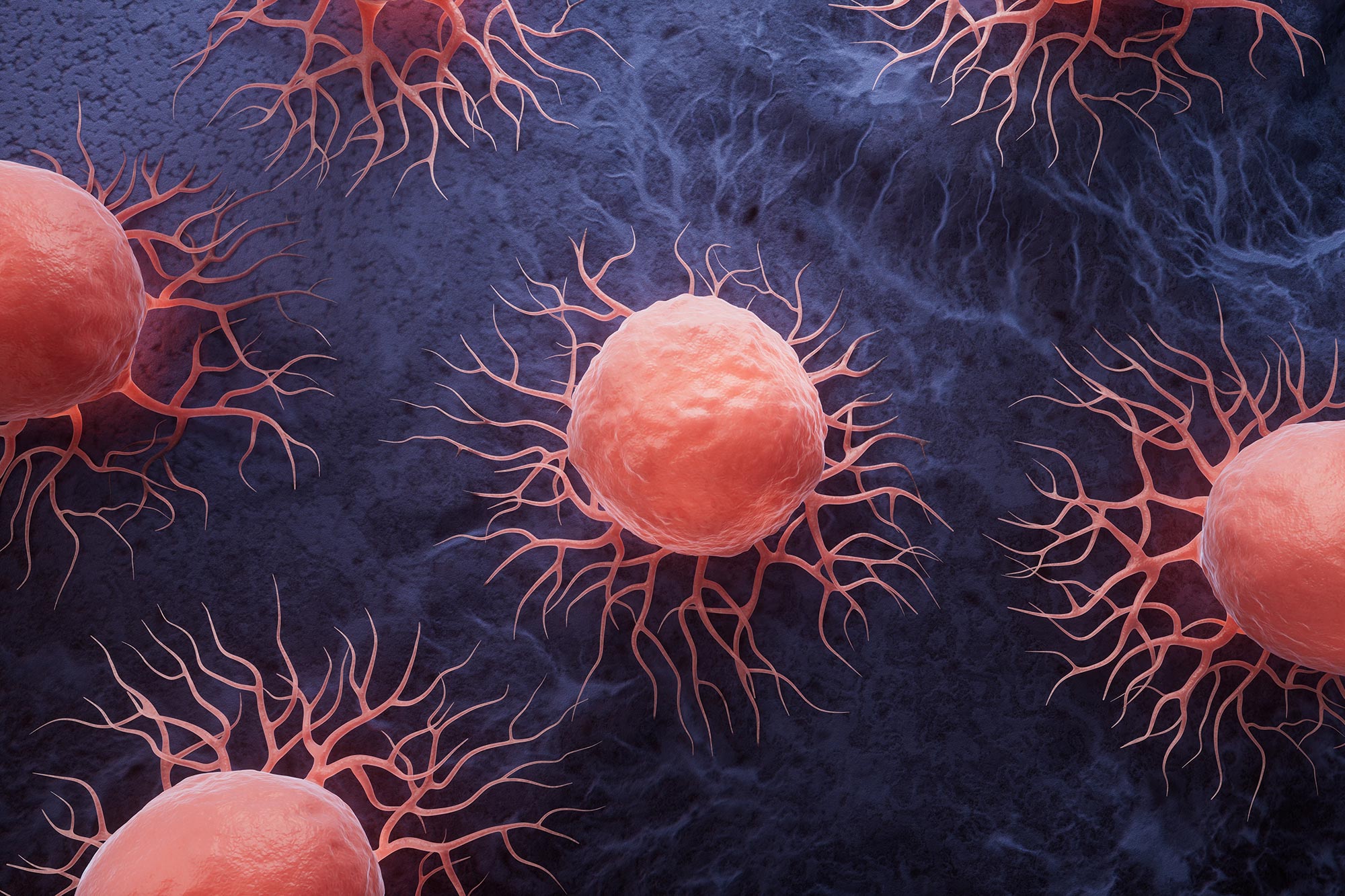
Although cancer incidence rates are rising, overall cancer deaths among young people have not increased.
Researchers at the National Institutes of Health (NIH) have uncovered some important trends in cancer cases across the United States. Between 2010 and 2019, they found that 14 types of cancer became more common among people under the age of 50. Among these were several well-known types, including breast cancer and colorectal cancer. Interestingly, nine of the rising cancer types also showed increases in some people over 50.
At the same time, the good news is that the incidence of 19 other cancers, such as lung cancer and prostate cancer, actually went down in younger adults. Because of these offsetting trends, the overall rate of cancer diagnoses stayed steady across all age groups. Even more encouraging, the overall cancer death rate did not increase during this period.
“This study provides a starting point for understanding which cancers are increasing among individuals under age 50,” said lead investigator Meredith Shiels, Ph.D., of NIH’s National Cancer Institute. “The causes of these increases are likely to be cancer specific, including cancer risk factors becoming more common at younger ages, changes in cancer screening or detection, and updates to clinical diagnosis or coding of cancers.”
The study was recently published in Cancer Discovery.
Study Design and Scope
Researchers examined incidence and mortality trends for 33 cancer types, including incidence data for 2010-2019 from CDC’s United States Cancer Statistics database, which includes cancer registry data that represent the entire U.S. population, and mortality data for 2010-2022 from national death certificate data. Data were analyzed in six age groups: three early-onset (15-29 years, 20-39 years, and 40-49 years) and three older-onset (50-59 years, 60-69 years, and 70-79 years).
Incidence of 14 of the 33 cancer types increased in at least one of the younger age groups. Incidence of nine of these 14 types also increased in at least one of the older age groups: female breast, colorectal, kidney, testicular, uterine, pancreatic, and three types of lymphoma. Although death rates did not increase in early-onset age groups for most of these cancers, researchers did observe concerning increases in rates of colorectal and uterine cancers deaths at younger ages.
Only five cancer types increased in incidence among one of the younger age groups but not among any of the older age groups: melanoma, cervical cancer, stomach cancer, myeloma, and cancers of the bones and joints.
Understanding the Numbers
To understand the magnitude of the increases in terms of absolute numbers, the researchers estimated how many additional people were diagnosed with early-onset cancers in 2019 compared with expected diagnoses based on rates in 2010. The largest absolute increases were seen for female breast cancer, with about 4,800 additional cases in 2019, followed by colorectal (2,100), kidney (1,800), uterine (1,200), and pancreatic cancers (500). Female breast, colorectal, kidney, and uterine cancers contributed to more than 80% of the additional early-onset cancers in 2019.
The researchers speculated that risk factors such as increasing obesity may have contributed to some of the increases in early-onset cancer incidence in recent years. Changes in cancer screening guidelines, advances in imaging technologies, and increased surveillance of high-risk individuals may also have led to earlier cancer diagnoses, potentially contributing to rising rates among younger age groups.
To more fully understand and address these increasing rates, the authors said that future studies should examine trends in early-onset cancers across demographics and geography in the U.S. and internationally. Additional research is also needed to better understand the risk factors that are particularly relevant to younger people.
Reference: “Trends in Cancer Incidence and Mortality Rates in Early-Onset and Older-Onset Age Groups in the United States, 2010–2019” by Meredith S. Shiels, Anika T. Haque, Amy Berrington de González, M. Constanza Camargo, Megan A. Clarke, Brittny C. Davis Lynn, Eric A. Engels, Neal D. Freedman, Gretchen L. Gierach, Jonathan N. Hofmann, Rena R. Jones, Erikka Loftfield, Rashmi Sinha, Lindsay M. Morton and Stephen J. Chanock, 8 May 2025, Cancer Discovery.
DOI: 10.1158/2159-8290.CD-24-1678
Never miss a breakthrough: Join the SciTechDaily newsletter.
Follow us on Google and Google News.