

Natufian spindle whorls from 12,000 years ago represent the earliest fast-spinning technology in the Levant, shedding light on humanity’s transition to agriculture and early wheel-based innovations.
Researchers from Hebrew University have uncovered 12,000-year-old spindle whorls—ancient tools for spinning fibers into yarn—at the Nahal-Ein Gev II excavation site in northern Israel. This remarkable find represents the earliest evidence of wheeled rotational technology in the Levant, shedding light on the technological innovations of the Natufian culture during their pivotal shift toward an agricultural way of life.
The study, recently published in PLOS ONE, was led by Talia Yashuv and Professor Leore Grosman from the Computational Archaeology Laboratory at the Hebrew University’s Institute of Archaeology.
Introducing an innovative method for studying perforated objects, based on digital 3-D models of the stones and their negative holes, the authors describe more than a hundred of the mostly-limestone pebbles, which feature a circular shape perforated by a central hole.
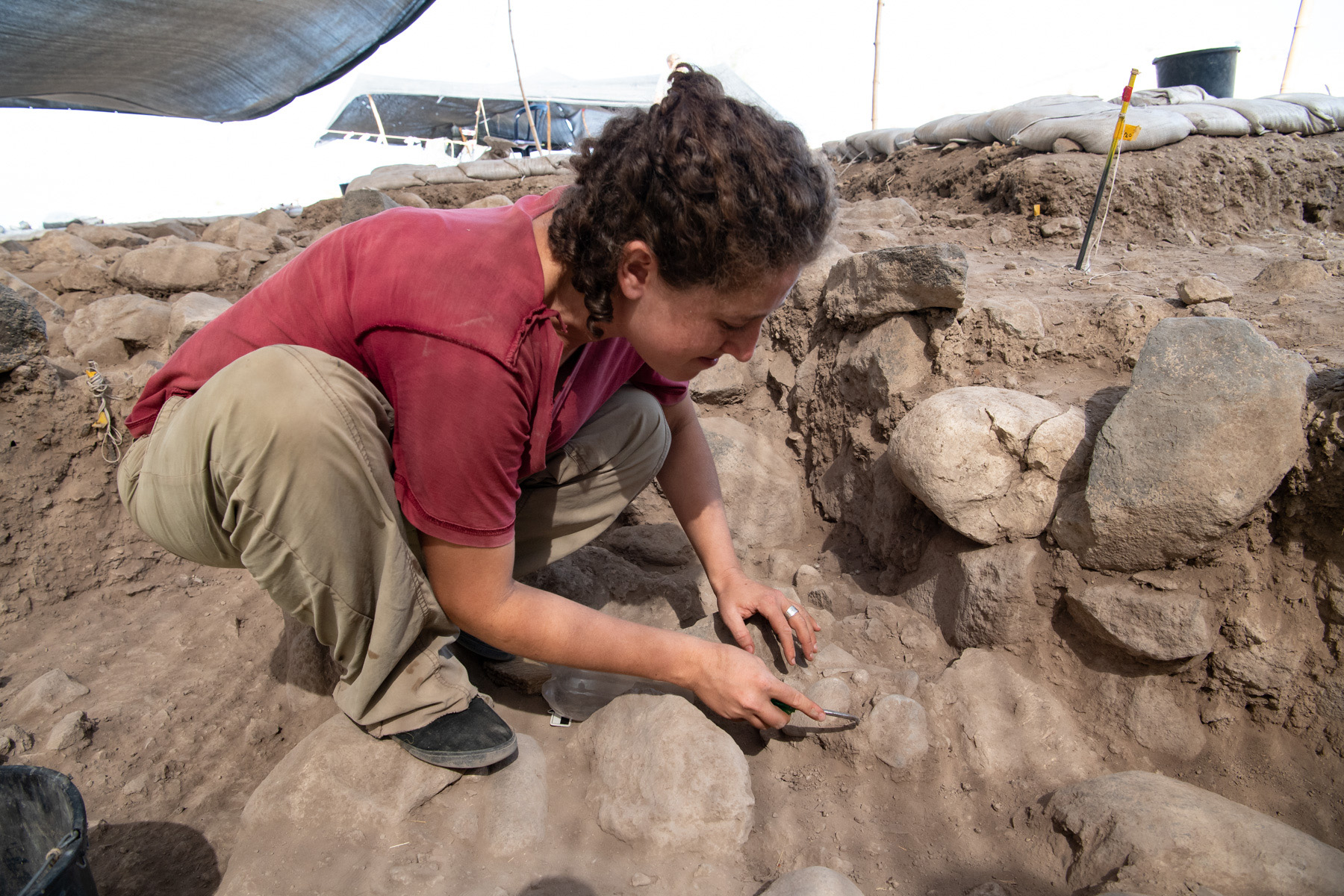
Due to this structure and composition, the authors deduce that the stones were likely used as spindle whorls — a hypothesis also supported by successfully spinning flax using replicas of the stones.
Spindle whorls, round, weighted objects that are attached to a spindle stick, form a similar wheel-and-axle-like device to help the spindle rotate faster and longer, enabling it to efficiently gather up fibers such as wool or flax and spin them into yarn.
Earliest Evidence of Fast-Spinning Technology in the Levant
This discovery marks the earliest known evidence of this fast-spinning technology in the Levant, predating previously known textile tools by 4,000 years and highlighting an important stage in human innovation.
Professor Grosman notes: “These Natufian perforated stones are actually the first wheels in form and function — a round object with a hole in the center connected to a rotating axle, used long before the appearance of the wheel for transportation purposes.”
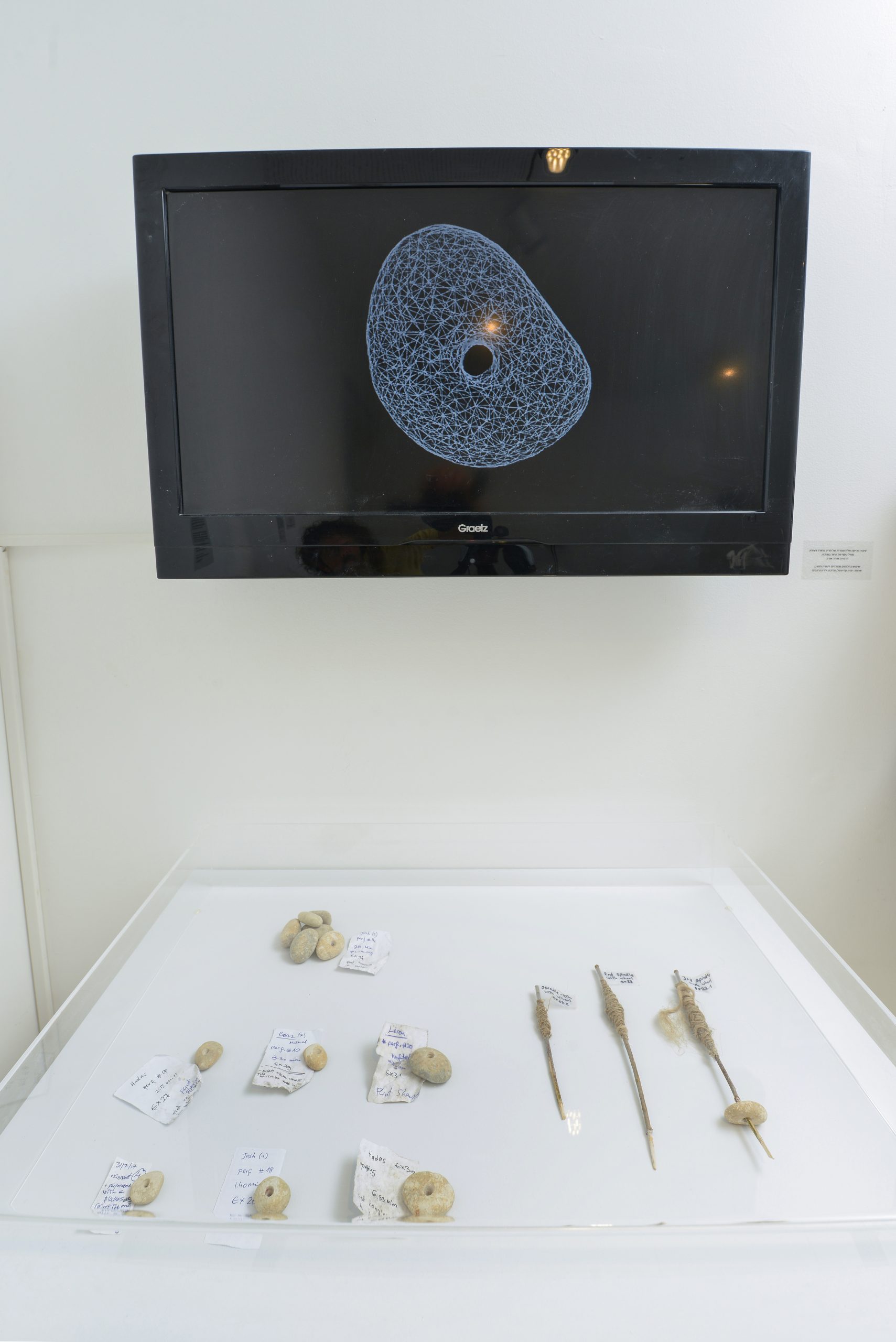
This early use paved the way for future wheel-based rotational innovations, key advancements that revolutionized human technological history such as the potter’s wheel and the cart wheel that appears 6,000 years ago.
The Nahal Ein Gev II site, with its permanent structures, lime-plastered burials, and diversified tools, provides a rare glimpse into the end of the Natufian culture and the transition from a hunter-gatherer society to an agricultural one.
The new findings underscore how the technological innovations are an important driving force in the Neolithization processes. This study not only expands our understanding of technological innovation but also showcases how advanced research tools reveal insights into prehistoric craftsmanship, underscoring humanity’s enduring drive for innovation.
Reference: “12,000-year-old spindle whorls and the innovation of wheeled rotational technologies” by Talia Yashuv and Leore Grosman, 13 November 2024, PLOS ONE.
DOI: 10.1371/journal.pone.0312007
Never miss a breakthrough: Join the SciTechDaily newsletter.
Follow us on Google and Google News.
4 Comments
I’m not surprised that I’m the first commerter, obviously, even a bead on a necklace could be mistaken for a wheel, in which case the invention of the wheel, doubtless could be pushed back to a million years earlier, that too being in the levant somewhere. The human need for narrative control will be its downfall.
@Liz: True, a wheel needs to roll to be a wheel, although this is technically known as a flywheel if its purpose it to add angular momentum to the device.
As a flywheel has no need to be round, (just balanced), methinks they are stretching their narrative to call it a wheel.
Maybe the first ancient skateboard wheels ?
I’m reminded of what is interpreted as the development of various technologies in cultures that relate more to the values and physical needs of the people than to their skills and abilities. What would a wheel be needed for? It seems obvious to us, but what did they need wheels for? What did they transport across long distances that they couldn’t carry themselves, carry on donkeys, or take by boat? If they needed wheels, they would have developed them. Moving from a bead to a rolling rock is not a great leap.