

Scientists discovered a 480-million-year-old phosphatic sponge in South China, making it the oldest known stromatoporoid and extending its fossil record by 20 million years.
International scientists have discovered the oldest known phosphatic stromatoporoid sponge in South China, dating back approximately 480 million years to the Early Ordovician period.
Stromatoporoid sponges were major reef builders during the Paleozoic era, playing a foundational role in forming reef structures—much like modern corals do today. Their significance peaked from the late Middle Ordovician to the Devonian period, a time when reef ecosystems transitioned from being dominated by microbial communities to those built primarily by skeletal organisms.
Until now, stromatoporoid reefs were believed to have appeared suddenly in the late Darriwilian period (around 460 million years ago), leading to questions about their origins and early evolutionary history.
New Insights into Reef Evolution
Recently, an international research team led by scientists from the Nanjing Institute of Geology and Palaeontology of the Chinese Academy of Sciences discovered an exceptionally preserved phosphatic stromatoporoid sponge from the Early Ordovician, dating back about 480 million years, in Yuan’an, Yichang, South China.
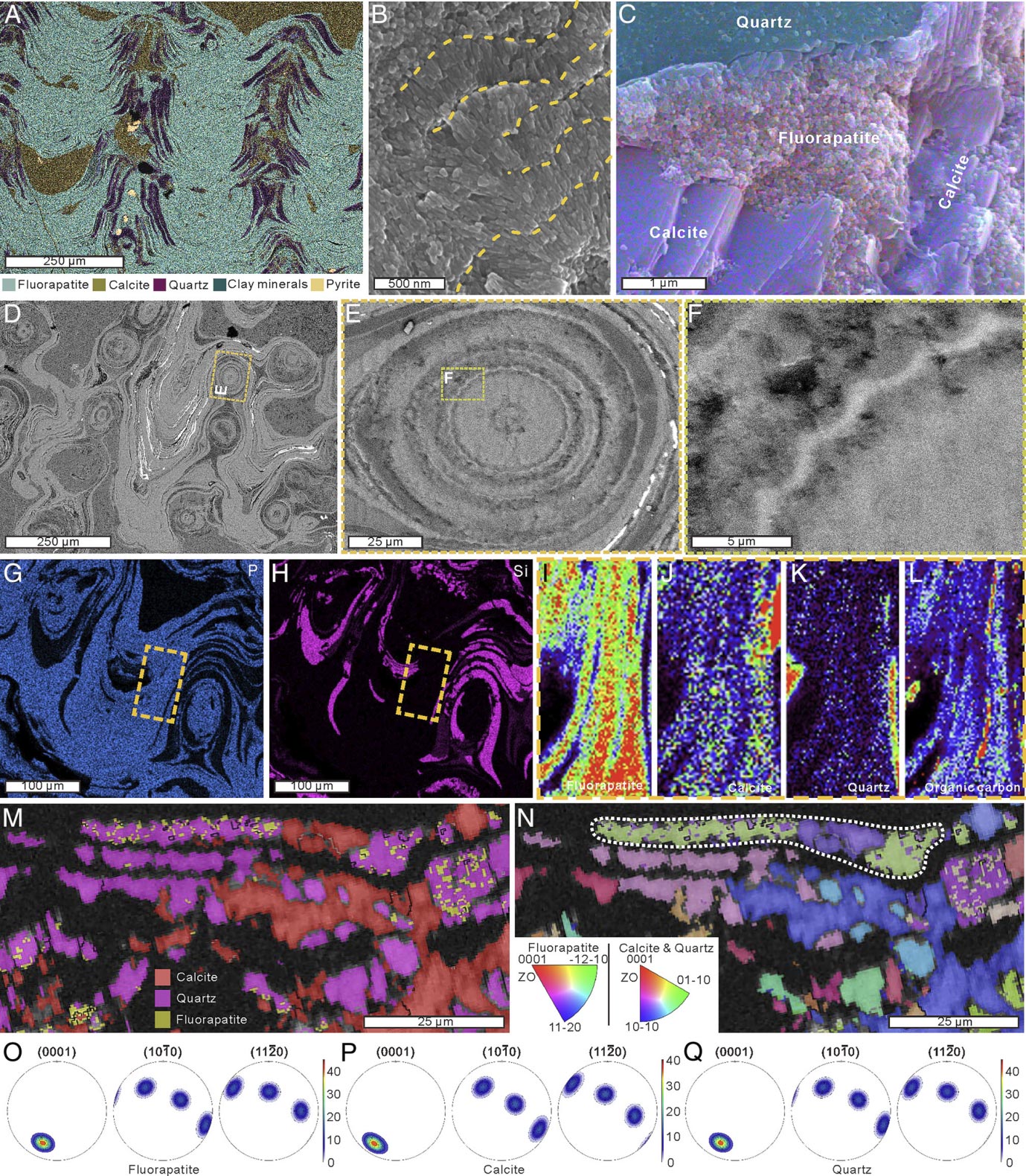
This newly identified stromatoporoid, Lophiostroma leizunia, not only extends the fossil record of stromatoporoid reefs by about 20 million years but also provides valuable insights into the early biomineralization strategies of ancient animals.
South China is renowned for its exceptional fossil preservation and its diverse Early Paleozoic marine ecosystems. Researchers have extensively studied the Ordovician strata in this region, documenting the early diversification of marine life during the Great Ordovician Biodiversification Event (GOBE)—a critical period marked by dramatic increases in marine biodiversity.
Unique Skeletal Composition
Lophiostroma leizunia is unique among all known sponges for constructing its skeleton using fluorapatite, a phosphate mineral. This finding establishes the phylum Porifera (sponges) as the first animal group known to utilize all three principal biominerals: silica, calcium carbonate, and calcium phosphate. This distinctive skeletal composition suggests that early sponges had the genetic capacity to employ diverse biomineralization strategies.
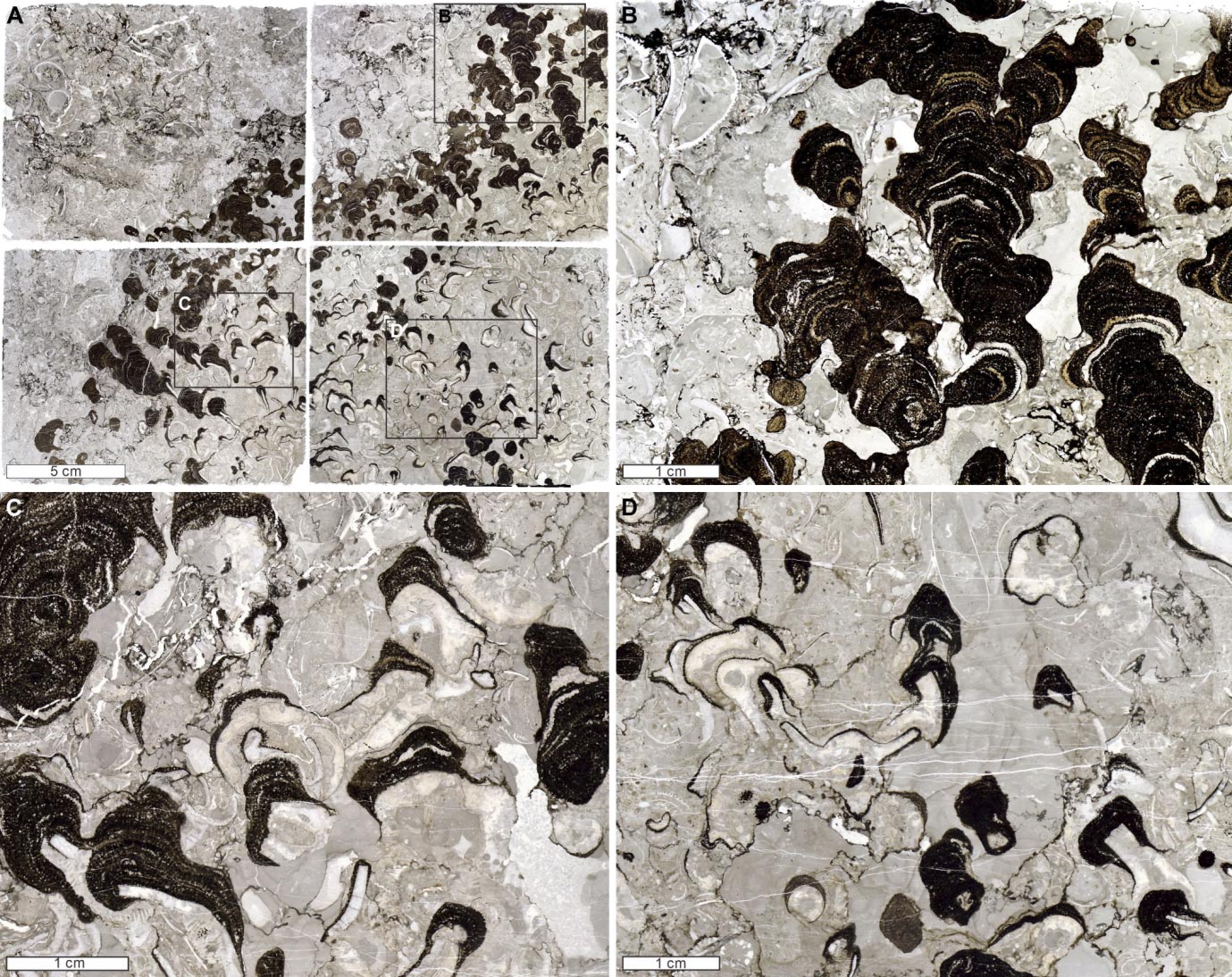
Fossil evidence indicates that Lophiostroma leizunia formed complex reef structures and played a crucial role in framework construction, binding together other reef components, including calcimicrobes, lithistid sponges, Calathium, and echinoderms. These reef ecosystems exhibit remarkable ecological complexity—comparable to those found in later reef systems.
This study enhances our understanding of early reef ecosystems and the evolution of biomineralization across the animal kingdom, providing new insights into how environmental factors influenced biological evolution during this critical period in Earth’s history.
Reference: “Phosphatic stromatoporoid sponges formed reefs ~480 Mya” by Juwan Jeon, Mar Simonet Roda, Zhong-Yang Chen, Cui Luo, Stephen Kershaw, Daeyeong Kim, Jun-Ye Ma, Jeong-Hyun Lee and Yuan-Dong Zhang, 31 March 2025, Proceedings of the National Academy of Sciences.
DOI: 10.1073/pnas.2426105122
Never miss a breakthrough: Join the SciTechDaily newsletter.
Follow us on Google and Google News.