
Close Menu
    Facebook X (Twitter) Instagram
    SciTechDaily
    • Biology
    • Chemistry
    • Earth
    • Health
    • Physics
    • Science
    • Space
    • Technology
    Facebook X (Twitter) Pinterest YouTube RSS
    SciTechDaily
    Home»Technology»Will Ice Ground the Future of Flight? Inside NASA’s Chilling Wing Trials
    Technology

    Will Ice Ground the Future of Flight? Inside NASA’s Chilling Wing Trials

    By NASAApril 6, 20251 Comment4 Mins Read
    Facebook Twitter Pinterest Telegram LinkedIn WhatsApp Email Reddit
    Share
    Facebook Twitter LinkedIn Pinterest Telegram Email Reddit
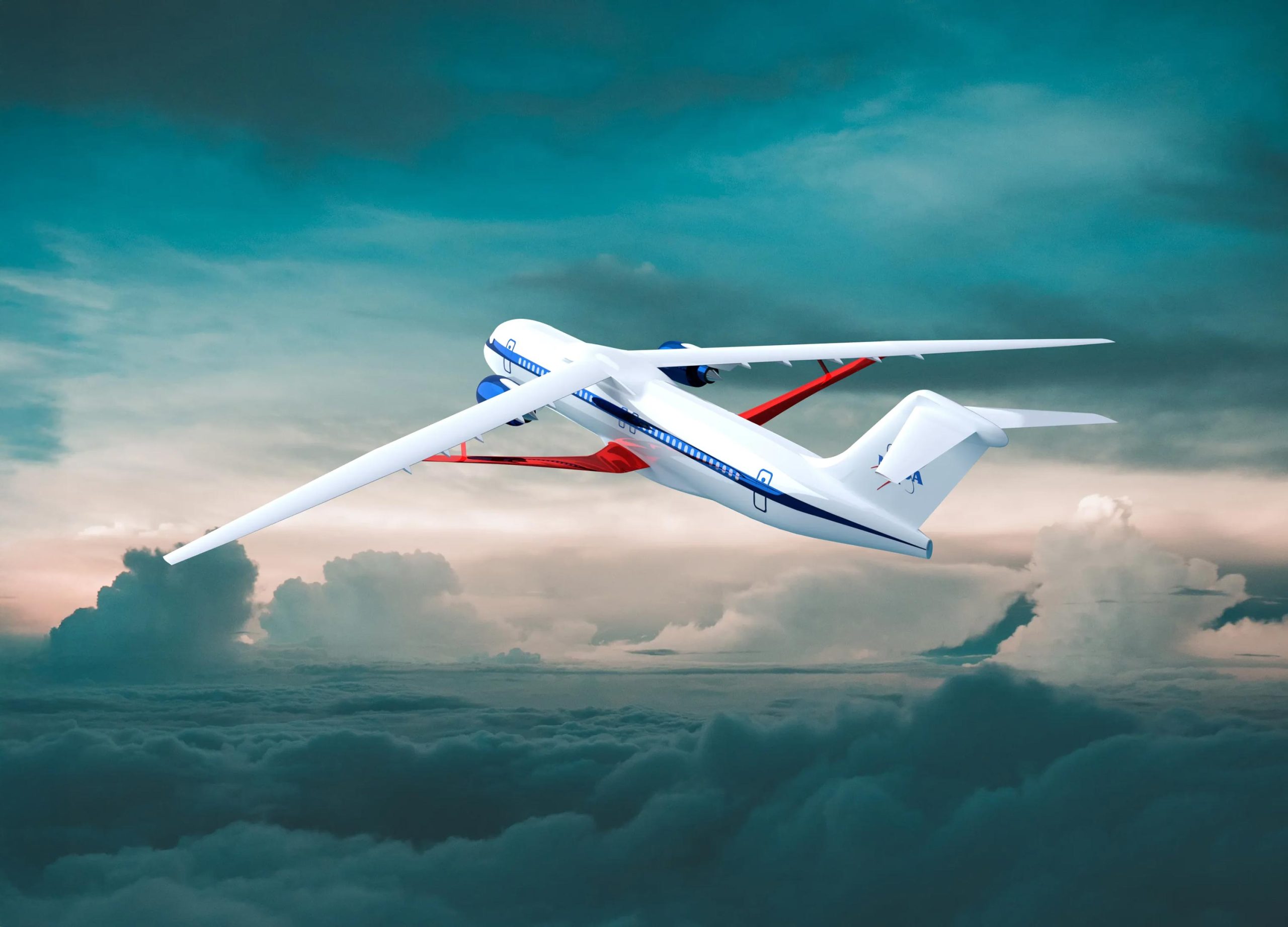
    Transonic Truss Braced Wing Concept
    This artist’s concept shows the transonic truss-braced wing concept. NASA’s Advanced Air Transport Technology project is exploring the design, which involves a longer, thinner wing structure with struts to enhance aerodynamic efficiency and reduce fuel consumption. Credit: NASA

    NASA is testing radical new airplane wing designs that could drastically cut fuel use—but there’s a catch: they may be more vulnerable to ice buildup.

    At its Glenn Research Center, NASA is using its Icing Research Tunnel to simulate dangerous weather and find out how to keep these sleek, fuel-efficient wings safe in flight. Collaborating with Boeing on the X-66 demonstrator, this research is pushing forward the boundaries of sustainable aviation.

    Ice Risks for Fuel-Saving Aircraft Designs

    In the coming years, aircraft with long, slender wings supported by aerodynamic braces could help airlines cut fuel use and lower emissions. However, these efficient wing designs may also be more vulnerable to ice buildup during flight. NASA researchers are investigating whether this is a significant risk, and how it could be managed.

    At NASA’s Glenn Research Center in Cleveland, scientists and engineers are using the historic Icing Research Tunnel to test a prototype of what’s known as a transonic truss-braced wing. Their goal is to gather critical data to guide the design of these next-generation aircraft.

    Thomas Ozoroski Takes Icing Accretion Measurements
    Thomas Ozoroski, a researcher at NASA’s Glenn Research Center in Cleveland, takes icing accretion measurements in October 2024 as part of transonic truss-braced wing concept research. Researchers at NASA Glenn conducted another test campaign in March 2025. Credit: NASA/Jordan Cochran

    Balancing Efficiency and Safety in Wing Design

    Transonic truss-braced wings create less drag than traditional wings, allowing planes to use less fuel. But the tradeoff is a potentially higher chance of ice forming on the wing’s surface. To ensure safety and performance, NASA is putting the design through a series of rigorous icing tests. So far, their results suggest that much of the wing’s leading edge, the frontmost part that cuts through the air, will need an ice protection system, similar to those used on some current commercial aircraft.

    NASA Glenn can simulate icing conditions in its Icing Research Tunnel to identify potential challenges for new aircraft designs. These tests provide important information about how ice builds up on wings and can help identify the most critical icing conditions for safety. All commercial aircraft must be approved by the Federal Aviation Administration to operate in all kinds of weather.

    Transonic Truss Braced Wing Design Ice Build Up
    Because of the thinness of transonic truss-braced wing design, ice tends to build up during cold conditions, as seen during a test in October 2024. Researchers at NASA’s Glenn Research Center in Cleveland conducted another test campaign in March 2025, collecting important data to ensure safety. Credit: NASA/Jordan Cochran

    Industry Collaboration and Real-World Application

    This research is part of NASA’s work to mature transonic truss-braced technology by looking at issues including safety and how future aircraft could be integrated into U.S. aviation infrastructure. Boeing is also working with NASA to build, test, and fly the X-66, a full-sized demonstrator aircraft with transonic truss-braced wings. Because the experimental aircraft will not be flown in icy conditions, tests in the Icing Research Tunnel are providing answers to questions about ice buildup.

    This work advances NASA’s role in developing ultra-efficient airliner technologies that are economically, operationally, and environmentally sustainable. For about two decades, NASA has invested in research aimed at advancing transonic truss-braced wing technology to the point where private sector aeronautics companies can integrate it into commercial aircraft configurations. NASA invests in this research through initiatives including its Advanced Air Transport Technology project, which investigates specific performance aspects of transonic truss-braced wing concepts, such as icing. The Advanced Air Transport Technology project is part of NASA’s Advanced Air Vehicles Program.

    Never miss a breakthrough: Join the SciTechDaily newsletter.
    Follow us on Google and Google News.

    NASA Plane Transportation
    Share. Facebook Twitter Pinterest LinkedIn Email Reddit

    Related Articles

    On the Brink of Revolution: NASA’s Quiet Supersonic X-59 Moves Toward Maiden Flight

    Silencing Sonic Booms: NASA’s X-59 Quiet Supersonic Aircraft Passes Critical Milestone

    High Flyers Go Green: NASA’s Trailblazing Study on Aircraft Contrails and Sustainable Fuel

    This One Weird Trick by NASA Is Saving Billions of Gallons of Fuel

    NASA’s Newest X-Plane: Next Generation Experimental Aircraft X-66A “Will Help Shape the Future of Aviation”

    Jet Engine Installed on NASA’s X-59 QueSST Quiet Supersonic Aircraft

    Major Milestone As NASA’s X-59 QueSST Quiet SuperSonic Technology Aircraft Comes Together

    NASA to Test Jet Engine With a Helping of Cereal and Crayons

    NASA Reviews Ideas for Greener Aircraft

    1 Comment

    1. kamir bouchareb st on April 6, 2025 5:38 am

      thank you for the last information

      Reply
    Leave A Reply Cancel Reply

    • Facebook
    • Twitter
    • Pinterest
    • YouTube

    Don't Miss a Discovery

    Subscribe for the Latest in Science & Tech!

    Trending News

    Wasp Colonies Explode Into Violence After Losing Their Queen

    Scientists Create “Living Plastic” That Self-Destructs in Just Six Days

    Your Blood May Carry a 700-Million-Year-Old Secret

    Scientists Discover Some “Zombie Cells” May Actually Help You Live Longer

    Earth May Be Seeding Venus With Life, According to New Research

    What Scientists Found Inside a 117-Year-Old Woman Reveals New Clues to Long Life

    Scientists Discover Mysterious Creature Living in the Great Salt Lake – and It Exists Nowhere Else on Earth

    It’s Alive? Surprising Discovery Changes What We Know About Fog

    Follow SciTechDaily
    • Facebook
    • Twitter
    • YouTube
    • Pinterest
    • Newsletter
    • RSS
    SciTech News
    • Biology News
    • Chemistry News
    • Earth News
    • Health News
    • Physics News
    • Science News
    • Space News
    • Technology News
    Recent Posts
    • Scientists Turn Seawater Into Drinking Water Without Toxic Brine
    • A Psychologist Explains Why 40% of People Are Avoiding the News
    • Scientists Discover Alzheimer’s-Linked Proteion’s Surprising Role in Making Memories Last
    • Vitamin D Drug Shows Surprising Promise Against One of the Deadliest Cancers
    • Scientists Crack Major Ammonia Problem With a Platinum Catalyst Breakthrough
    Copyright © 1998 - 2026 SciTechDaily. All Rights Reserved.
    • Science News
    • About
    • Contact
    • Editorial Board
    • Privacy Policy
    • Terms of Use

    Type above and press Enter to search. Press Esc to cancel.