
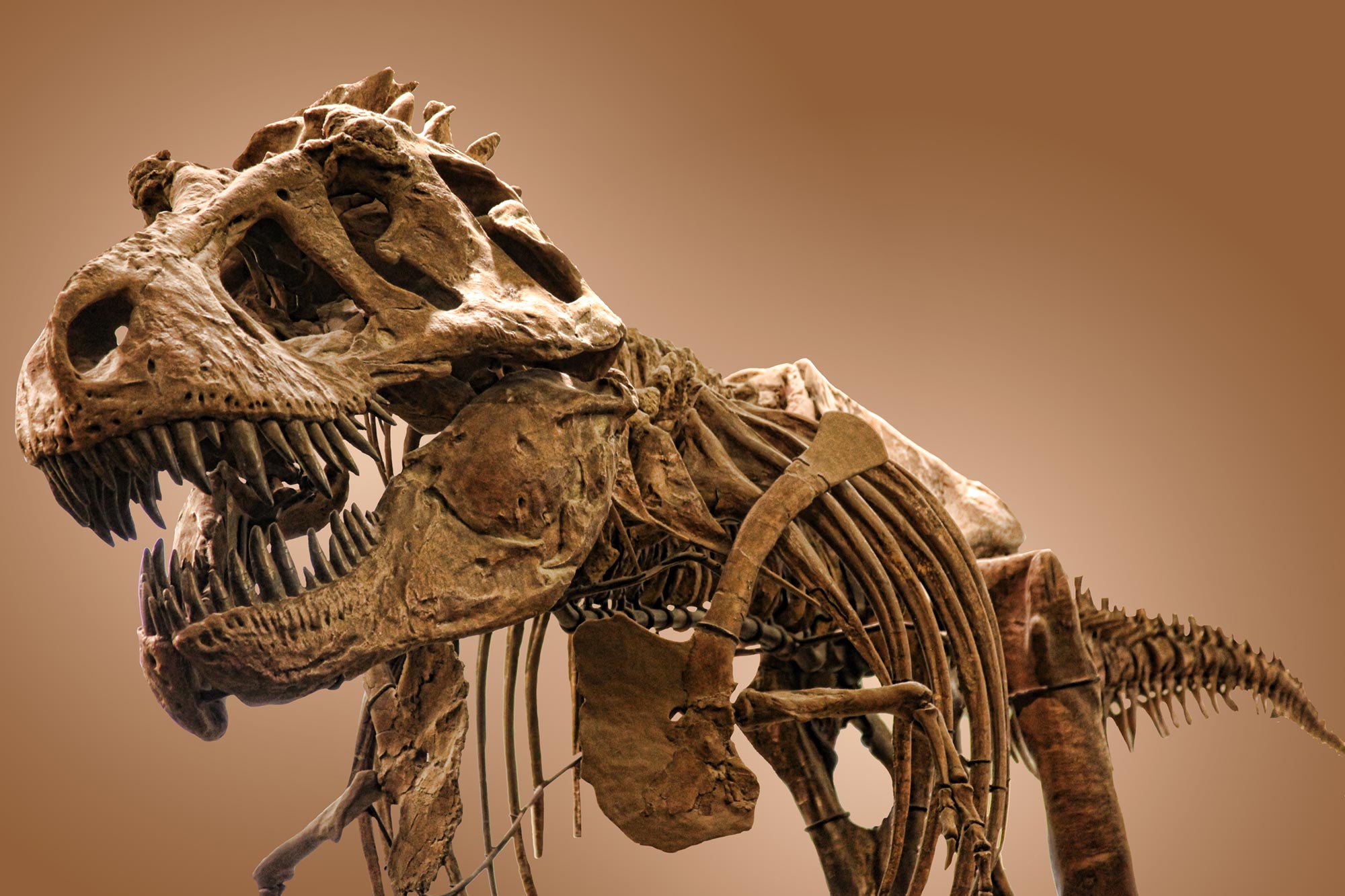
New research helps scientists determine whether marks on fossils are genuine bite marks.
Deep grooves and punctures scar a small collection of dinosaur bones unearthed in Wyoming. They resemble the aftermath of a powerful predator’s bite—but fossil damage can be deceptive. Disease, erosion, insects, and exposure after death can all leave impressions that mimic tooth marks.
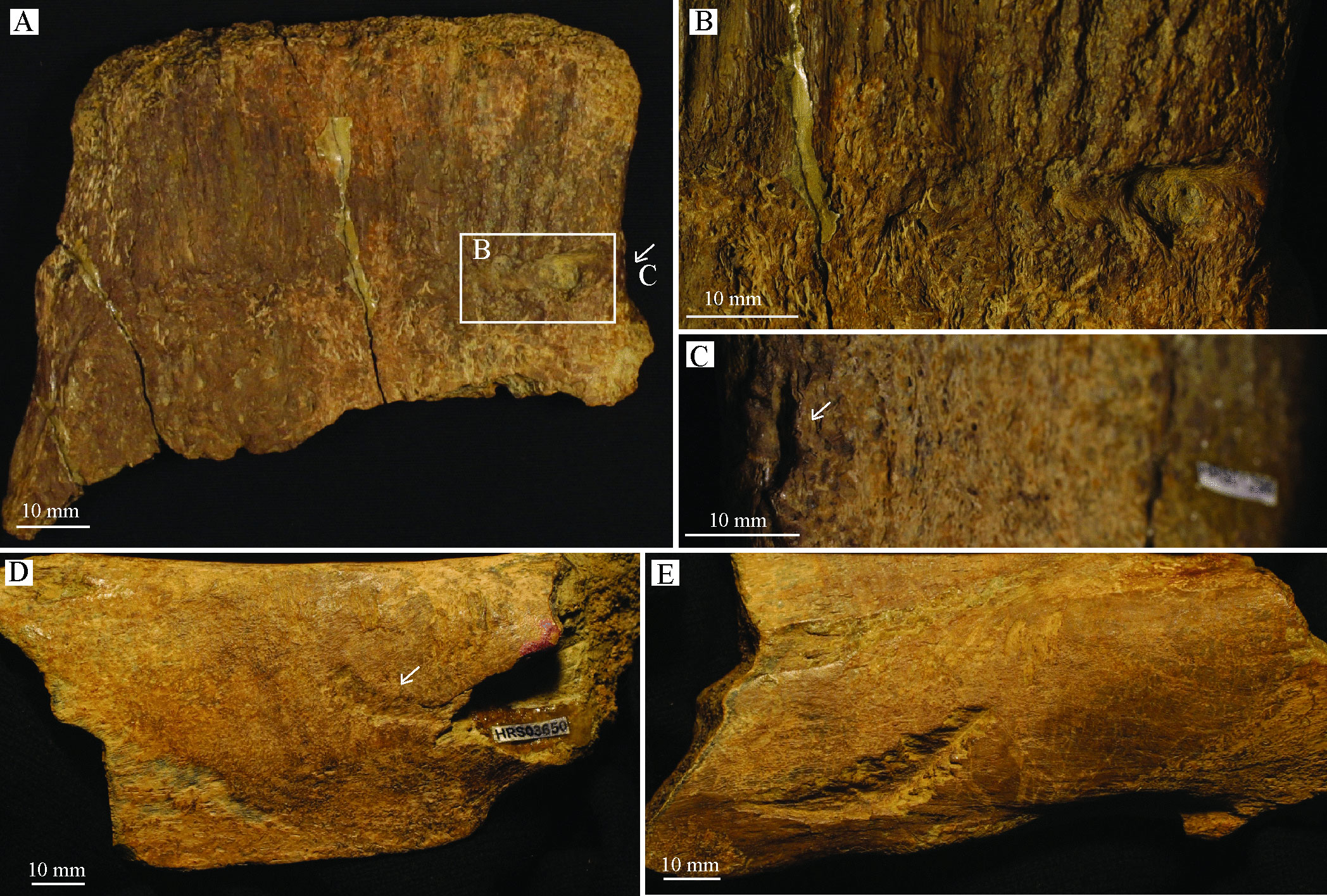
To identify what made these particular traces, researchers examined their shape, depth, orientation, and spacing. Several matched the expected bite pattern of Tyrannosaurus rex, raising the possibility that the giant predator fed on the animals before or shortly after their deaths.
In a study published in the open-access journal PLOS One, Bethania C. T. Siviero of Loma Linda University and her colleagues investigated punctures, perforations, grooves, and other features preserved on the bones. They also combined their observations with previous research to create a guide for distinguishing genuine tooth traces from misleading look-alikes.
Authentic bite marks offer rare, direct evidence of prehistoric behavior. They can reveal what ancient predators ate, whether they hunted or scavenged, and how carcasses were consumed within ecosystems that vanished tens of millions of years ago.
A few marks point to T. rex
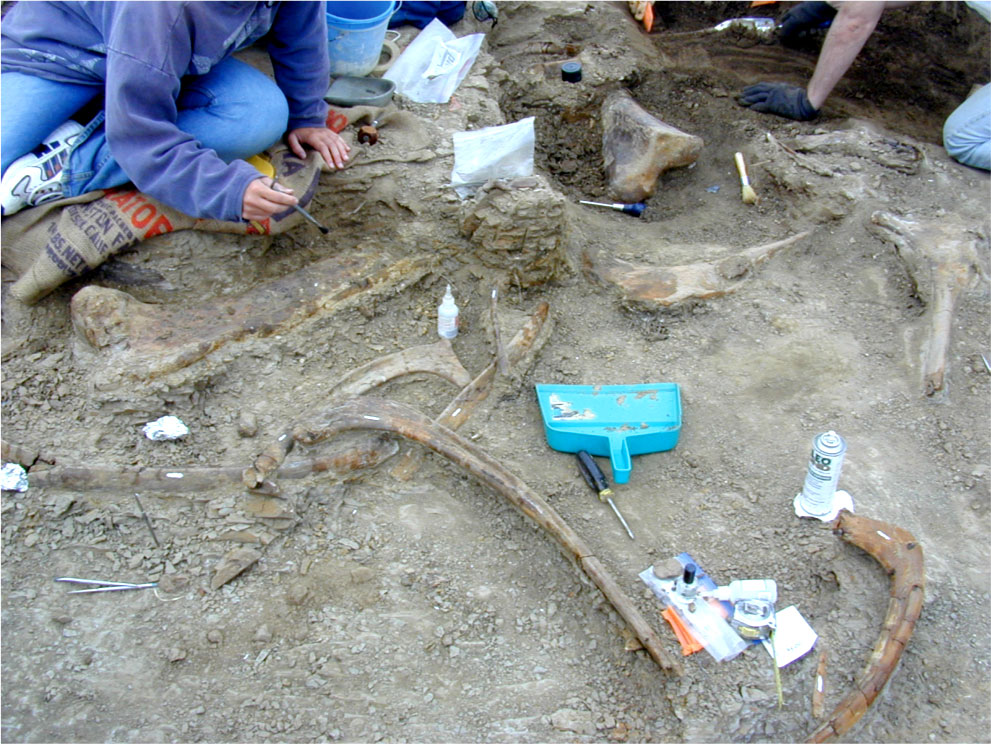
The researchers inspected more than 3,000 Late Cretaceous bones collected in northeastern Wyoming and dating from about 72 to 66 million years ago. Most belonged to Edmontosaurus annectens, a large herbivorous dinosaur with a ducklike bill.
Only 12 bones carried possible tooth traces. Four displayed distinctive patterns whose form and spacing led the researchers to identify T. rex as the likely source. Other marks may have come from carnivores living at the same time, including additional dinosaur species and crocodilians.
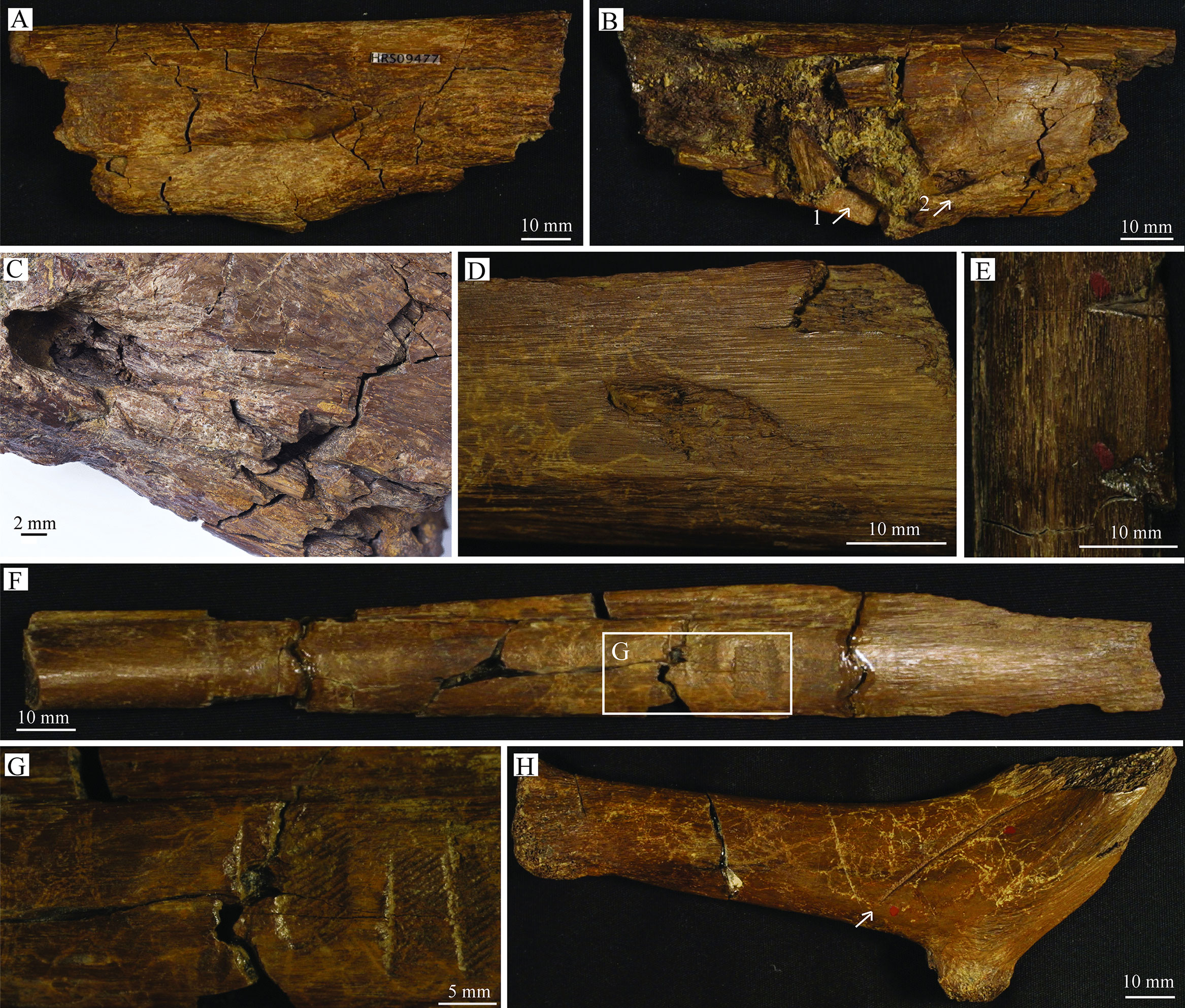
Most marked bones showed no healing around the damaged areas, suggesting that the bites occurred near the time of death or afterward. Along with earlier evidence from the site, the findings indicate that some animals may have been hunted, while their exposed carcasses were also scavenged before burial and fossilization.
Not every depression is a bite
Suspected tooth marks commonly appear as punctures or furrows, but similar features can result from joint disease, erosion and other changes that happen after death. Reliable evidence of prehistoric behavior therefore depends on determining whether a mark was truly made by teeth. By establishing criteria for evaluating these features, the study strengthens an important tool for reconstructing ancient ecosystems.
The authors add: “Correctly identifying bone depressions and perforations is important because not all of these features are tooth marks. Some are caused by diseases, while others result from post-mortem processes such as insect activity or other processes due to bone exposure. Distinguishing between these different types of bone modifications is essential, as they can provide valuable information about an animal’s condition before death as well as the processes that affected its remains after death.”
“The study of tooth marks on fossil bones is important because it provides valuable insights into animal behavior and interactions between species.”
Reference: “Identification of tooth traces from a Cretaceous (Maastrichtian) Edmontosaurus annectens bonebed in the Lance Formation, Wyoming, U.S.A.” by Bethania C. T. Siviero, Elizabeth Rega, Matthew A. McLain, Leonard R. Brand, David Nelsen and Art V. Chadwick, 15 July 2026, PLOS ONE.
DOI: 10.1371/journal.pone.0351939
Funding: Internal fundings from Loma Linda University
Never miss a breakthrough: Join the SciTechDaily newsletter.
Follow us on Google and Google News.